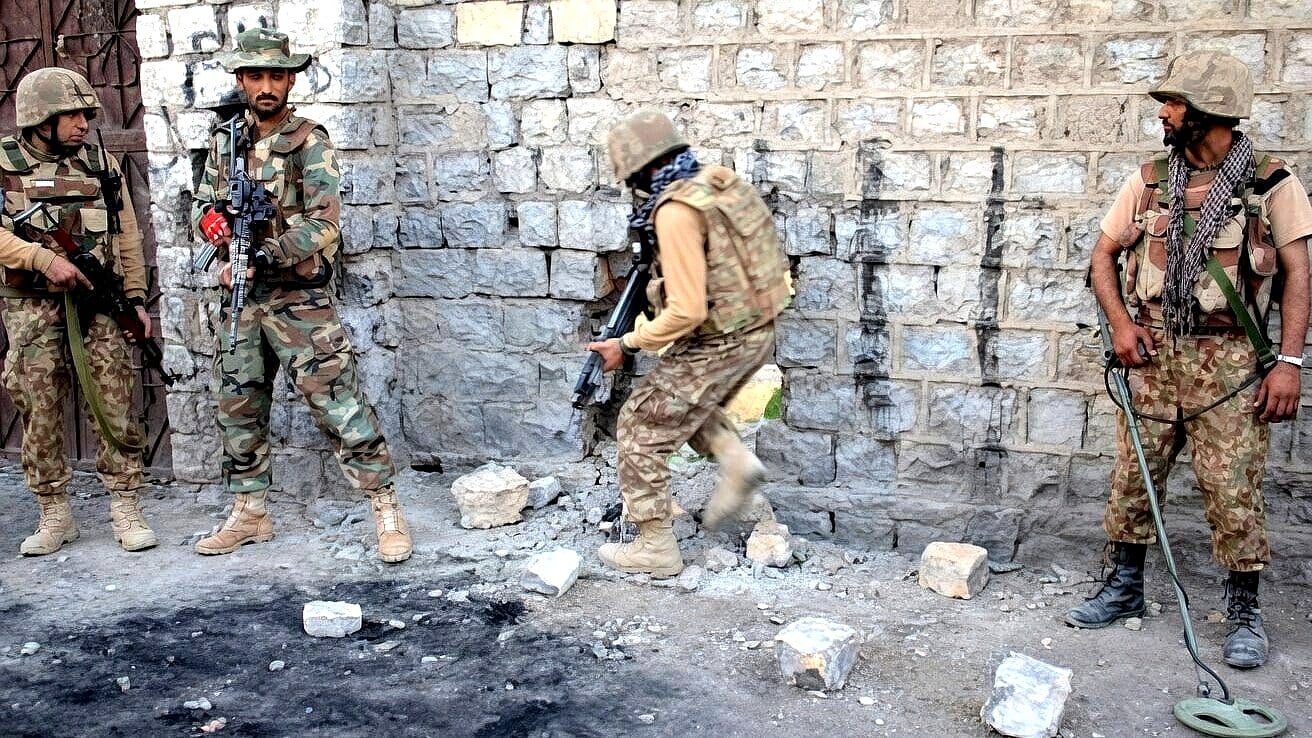




Pakistan’s Security Forces Eliminate Over 30 Indian-Backed BLA Terrorists
ISLAMABAD: In a significant operation, Pakistan’s security forces have reportedly killed over 30 terrorists linked to the Balochistan Liberation Army (BLA), a group believed to be receiving support from Indian entities. This development raises critical questions about regional security dynamics and the ongoing struggle against terrorism in Pakistan.
The operation, which took place in a strategically vital area, underscores the persistent threat posed by the BLA and similar groups that have been involved in violent activities aimed at destabilizing the region.
The BLA has been notorious for its attacks on security forces and infrastructure, leading to heightened tensions in Balochistan, a province rich in resources yet plagued by unrest.
The Pakistani military has been actively engaged in operations to counter these threats, and this latest success is seen as a crucial step in reclaiming stability in the region.
Reports suggest that the operation was carried out with precision, utilizing intelligence-driven tactics that have become a hallmark of Pakistan’s counter-terrorism strategy.
The implications of this operation extend beyond immediate security concerns. Analysts are closely monitoring how this development may affect Pakistan’s relations with neighboring India, especially given the historical context of accusations regarding support for insurgent groups.
The BLA has often been portrayed as a proxy for Indian interests in the region, which complicates the already intricate geopolitical landscape.
In recent years, the Pakistani government has intensified its efforts to combat terrorism, focusing on both military and socio-economic strategies.
The killing of these terrorists could potentially disrupt BLA operations and diminish their capacity to launch further attacks. However, the question remains: will this operation lead to a long-term reduction in violence, or will it provoke retaliatory actions from the group?
The security forces’ success is also a reminder of the ongoing challenges faced by Pakistan in maintaining internal security. While military operations can yield immediate results, the root causes of unrest in Balochistan—such as economic deprivation and political disenfranchisement—still need to be addressed.
Experts argue that a comprehensive approach, combining military action with development initiatives, is essential for sustainable peace.
As the situation unfolds, the Pakistani government is likely to bolster its narrative of resilience against external threats, particularly from India.
This operation may serve to rally public support for military actions and reinforce the government’s stance on national security. However, it also invites scrutiny regarding the effectiveness of military solutions in addressing complex socio-political issues.
The BLA’s response to this operation will be pivotal. Historically, such military setbacks have led to increased propaganda efforts by insurgent groups, aiming to recruit and radicalize new members. The potential for a resurgence of violence in the wake of this operation cannot be overlooked.
Moreover, the international community is watching closely. Pakistan’s efforts to combat terrorism have often been met with skepticism, particularly from Western nations concerned about human rights issues.
The balance between effective counter-terrorism measures and the protection of civil liberties remains a contentious topic.
In conclusion, while the elimination of over 30 BLA terrorists marks a significant achievement for Pakistan’s security forces, it also highlights the complexities of the ongoing conflict in Balochistan.
The future trajectory of this situation will depend on various factors, including the government’s ability to implement effective counter-insurgency strategies and address the underlying grievances that fuel unrest.
As the region grapples with these challenges, the question remains: what will be the next steps in this ongoing battle against terrorism?