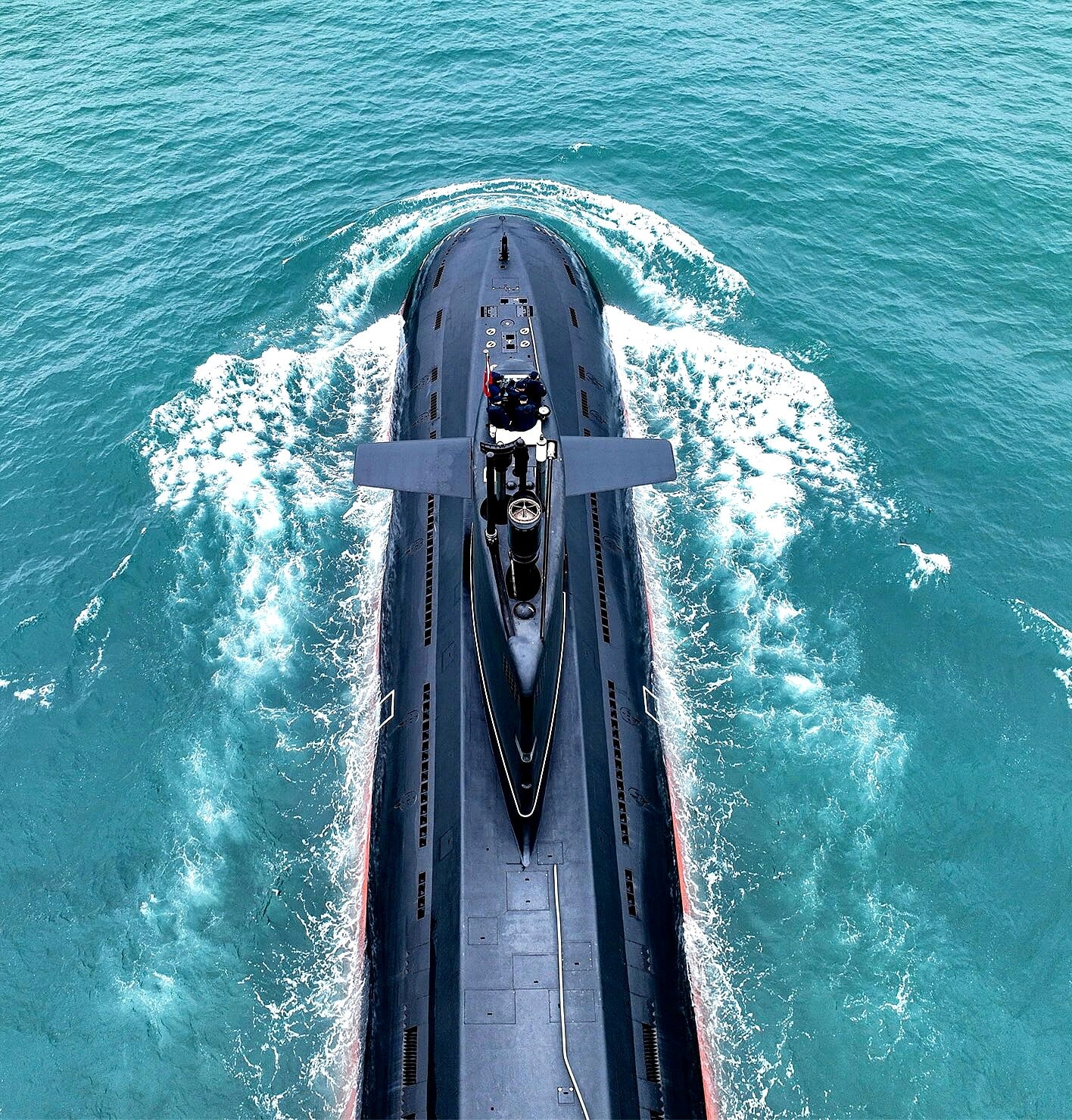




ISLAMABAD: Beneath the calm surface of the Arabian Sea, a strategic transformation is unfolding that could significantly alter the naval balance in South Asia. The Pakistan Navy is on the brink of inducting its first batch of Hangor-class submarines, a move that is capturing attention across the region.
But what makes these submarines so pivotal?
A Resurgence of Historic Proportions
The Hangor name is steeped in naval history, harking back to a time when the original PNS Hangor made its mark during the 1971 conflict by sinking an enemy warship. This historic feat underscored the strategic value of submarines in modern warfare. Today, Pakistan is reviving this legacy with a new generation of submarines designed to navigate a far more intricate maritime landscape.
What sets these new submarines apart?
Unveiling the Hangor-Class Submarines
At first glance, the Hangor-class submarines might appear to be conventional diesel-electric models. However, they boast advanced features that elevate them beyond traditional designs. These submarines are equipped with Air Independent Propulsion (AIP) systems, allowing them to remain submerged for extended periods, thereby reducing the risk of detection.
This technological edge raises a crucial question: How do they maintain such stealth?
The Silent Predators
Unlike conventional submarines that need to surface frequently, the Hangor-class can operate in near-total silence for prolonged durations. This capability is enhanced by anechoic tiles that absorb sonar signals, making them exceptionally difficult to track. Additionally, their integrated combat management systems enable rapid decision-making in high-pressure situations.
Yet, the real game-changer lies in their armament.
The Missile Arsenal
The true strength of these submarines is not just in their stealth but in their formidable weaponry. Each submarine is expected to carry advanced anti-ship missiles and torpedoes, capable of neutralizing high-value naval targets. More significantly, they are designed to launch the Babur-III submarine-launched cruise missile, a nuclear-capable system that bolsters Pakistan’s second-strike capability.
This strategic enhancement shifts the regional power dynamics considerably.
A Comprehensive Fleet
Pakistan’s ambitious plan includes the induction of eight Hangor-class submarines. Four of these are being constructed domestically at Karachi Shipyard & Engineering Works under a transfer of technology agreement. This development marks a significant leap in Pakistan’s indigenous defense production capabilities.
What does this mean for Pakistan’s naval industry?
Building a Naval Powerhouse
The ability to locally manufacture such advanced submarines reduces reliance on foreign suppliers and positions Pakistan as an emerging naval industrial power. This not only strengthens Pakistan’s defense capabilities but also adds a layer of strategic autonomy in regional affairs.
The implications extend beyond mere defense.
Strategic Depth and Regional Influence
Pakistan’s naval doctrine emphasizes securing its coastline and maritime trade routes. With the Hangor-class submarines, the Navy gains the ability to operate undetected across the vast expanse of the Arabian Sea. This creates a layered defense environment, compelling adversaries to account for unseen threats.
How will regional navies respond to this new reality?
Regional Strategic Repercussions
The induction of these submarines is poised to influence naval strategies across South Asia. Their stealth, endurance, and strike capabilities introduce a new level of uncertainty for any opposing fleet. This development reflects a broader trend in naval warfare, where undersea dominance is becoming increasingly crucial.
The timing of this induction is also significant.
Symbolism and Strategic Messaging
The expected induction ceremony is likely to coincide with a national milestone, underscoring Pakistan’s preparedness and long-term strategic vision. This timing sends a clear message about Pakistan’s naval capabilities and its commitment to maintaining regional stability.
But what lies ahead for Pakistan’s naval strategy?
A New Era of Naval Power
With the Hangor-class submarines entering service, the Pakistan Navy is transitioning into a more technologically advanced and strategically flexible force. This evolution enhances both defensive and deterrent postures, positioning Pakistan as a formidable maritime power.
As underwater capabilities continue to evolve and regional competition intensifies, the question remains: Will this silent fleet redefine the balance of power, or will it usher in a new phase of naval competition beneath the waves?