



ISLAMABAD: The diplomatic landscape is fraught with tension as the second round of US-Iran talks in Islamabad hangs in the balance. The outcome of these negotiations could have profound implications for regional stability, with whispers of potential military action looming over the Arabian Sea.
The stakes are high. If these talks fail, there is speculation that the United States might consider military action against Iran, a move that could further destabilize the region. According to sources, this potential action would likely involve support from military bases in Gulf countries, a strategy reminiscent of previous US operations in the area.
The Arabian Sea is already witnessing a significant military buildup. Reports indicate that three US aircraft carriers have been deployed to the region, a clear signal of the strategic importance the US places on these negotiations. This deployment is not just a show of force but a calculated move to ensure readiness should diplomatic efforts falter.
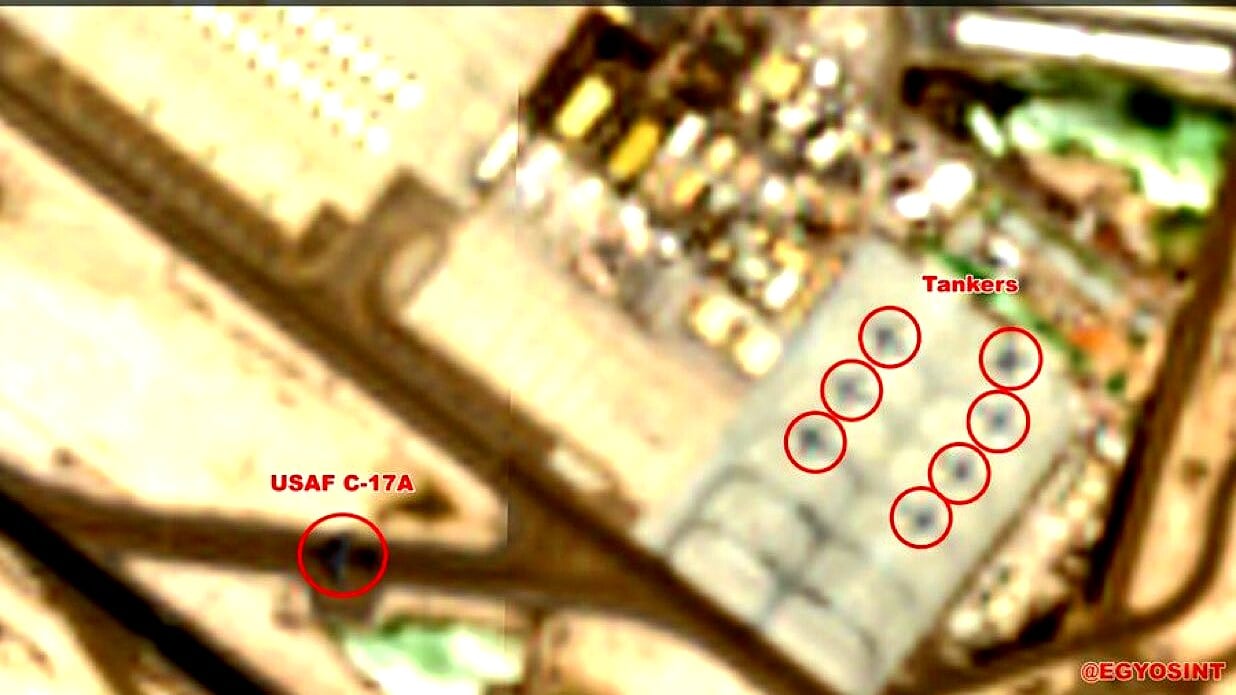
The United Arab Emirates has seen an increase in US military presence at the Al Dhafra Air Base. Approximately 12 F/A-18 fighter jets have been stationed there, alongside at least seven aerial refueling tankers and a C-17 cargo aircraft. This enhanced military readiness underscores the gravity of the situation and the potential for escalation if talks do not yield positive results.
Pakistan’s Role as a Mediator
Pakistan finds itself in a pivotal position as a mediator in these high-stakes talks. Islamabad’s involvement is not only a testament to its diplomatic capabilities but also highlights its strategic importance in regional geopolitics. The success or failure of these negotiations could significantly impact Pakistan’s diplomatic standing on the world stage.
The Pakistani government has expressed a strong commitment to facilitating dialogue and reducing tensions between the US and Iran. This role as a mediator aligns with Pakistan’s broader foreign policy objectives of promoting peace and stability in the region.
Potential Consequences of Failed Talks
Should the talks fail, the implications for the region could be severe. A military conflict involving Iran and the US would not only disrupt regional peace but could also have economic repercussions, particularly for countries reliant on Gulf oil supplies. The potential for a broader conflict could also strain international relations and impact global markets.
Moreover, any military action would likely draw in other regional powers, further complicating an already volatile situation. The presence of US military assets in the region serves as both a deterrent and a potential catalyst for conflict, depending on the outcome of the talks.
The Broader Geopolitical Context
The US-Iran tensions are part of a larger geopolitical puzzle involving various regional and global powers. The Gulf states, with their strategic military bases, play a crucial role in the US’s regional strategy. Their involvement in any potential conflict could alter the balance of power in the Middle East.
For Iran, the stakes are equally high. The country has been under significant economic pressure due to sanctions, and any military conflict would exacerbate these challenges. Iran’s response to the US military buildup and its willingness to engage in meaningful dialogue will be critical in determining the region’s future trajectory.
Future Implications
As the world watches the unfolding drama in Islamabad, the future remains uncertain. The outcome of these talks could either pave the way for a new era of diplomacy or plunge the region into further turmoil. The role of Pakistan as a mediator is crucial, and its ability to navigate these complex negotiations will be closely scrutinized.
The international community is hopeful for a peaceful resolution, but the specter of military conflict looms large. The coming days will be critical in shaping the future of US-Iran relations and, by extension, the stability of the Middle East. As the situation develops, the world will be watching closely, hoping for diplomacy to prevail over conflict.