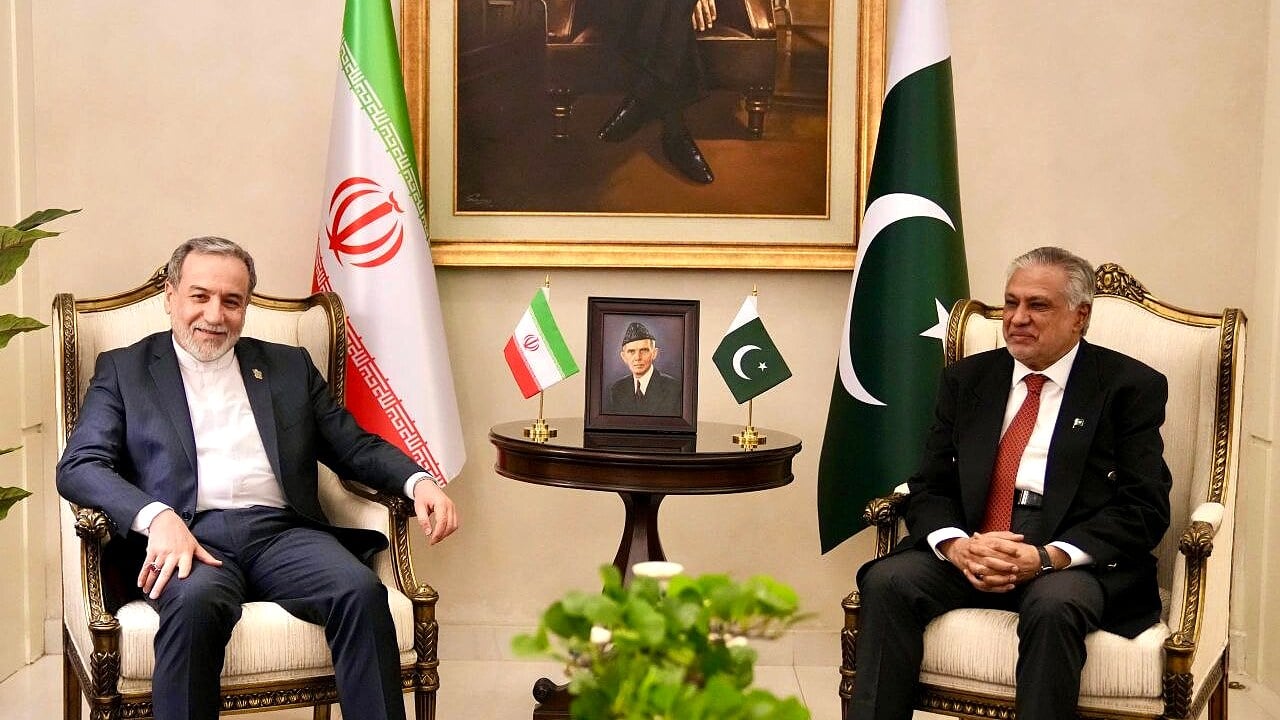




ISLAMABAD: In a significant development, Iran has refused to engage in direct talks with the United States, opting instead for Pakistan’s diplomatic intervention. This decision comes amidst escalating tensions between Tehran and Washington, raising questions about the potential outcomes of Pakistan’s mediation efforts.
Iran’s Stance on Direct Negotiations
Iran has categorically declined the prospect of direct negotiations with the United States. According to Ismael Baqaei, Iran’s Foreign Ministry spokesperson, the decision underscores Tehran’s firm stance against what it perceives as an “American imposed war of aggression.” This refusal highlights the deep-seated mistrust and unresolved issues between the two nations, which have been exacerbated by recent geopolitical developments.
Pakistan’s Role in Mediation
Pakistan has emerged as a pivotal player in this diplomatic conundrum. Iranian Foreign Ministry spokesperson Ismael Baqaei confirmed that Iran’s Deputy Foreign Minister, Abbas Araghchi, is set to meet with high-level Pakistani officials in Islamabad. These discussions are part of Pakistan’s ongoing efforts to mediate and facilitate peace in the region. Pakistan’s strategic position and its historical ties with both Iran and the United States make it a suitable candidate for this challenging role.
The First Round of Islamabad Talks
The current diplomatic engagement follows a previous round of talks held in Islamabad, where Pakistani officials laid the groundwork for a potential resolution. During these initial discussions, Pakistan emphasized its commitment to regional stability and its willingness to act as a neutral facilitator. The outcome of these talks remains undisclosed, but they have set the stage for the current diplomatic efforts.
Iran’s Observations and Expectations
Iran has expressed its intention to convey its observations and expectations through Pakistan. This approach indicates Tehran’s trust in Islamabad’s ability to accurately represent its interests and concerns. The specifics of Iran’s demands remain confidential, but they are likely centered around lifting economic sanctions and addressing security concerns.
The US Perspective
While Iran has refused direct talks, the United States’ stance on Pakistan’s mediation remains unclear. Washington has historically been skeptical of third-party interventions, preferring direct negotiations. However, given the current impasse, Pakistan’s involvement could present a viable alternative for de-escalating tensions. The US response to this diplomatic channel will be crucial in determining the future trajectory of the conflict.
Potential Outcomes and Regional Implications
The success of Pakistan’s mediation efforts could have far-reaching implications for regional stability. A peaceful resolution would not only alleviate tensions between Iran and the United States but also enhance Pakistan’s diplomatic standing on the global stage. Conversely, failure to reach an agreement could exacerbate existing conflicts and further destabilize the region.
The Future of Pakistan’s Diplomatic Efforts
As Pakistan continues its mediation efforts, the international community watches closely. The outcome of these talks could set a precedent for future diplomatic interventions in similar conflicts. The complexity of the Iran-US relationship poses significant challenges, but Pakistan’s role as a mediator offers a glimmer of hope for a peaceful resolution.
The unfolding situation raises several questions: Will Pakistan’s diplomatic efforts succeed in bridging the gap between Iran and the United States? How will the US respond to this indirect approach? The answers to these questions will shape the geopolitical landscape of the region in the coming months.