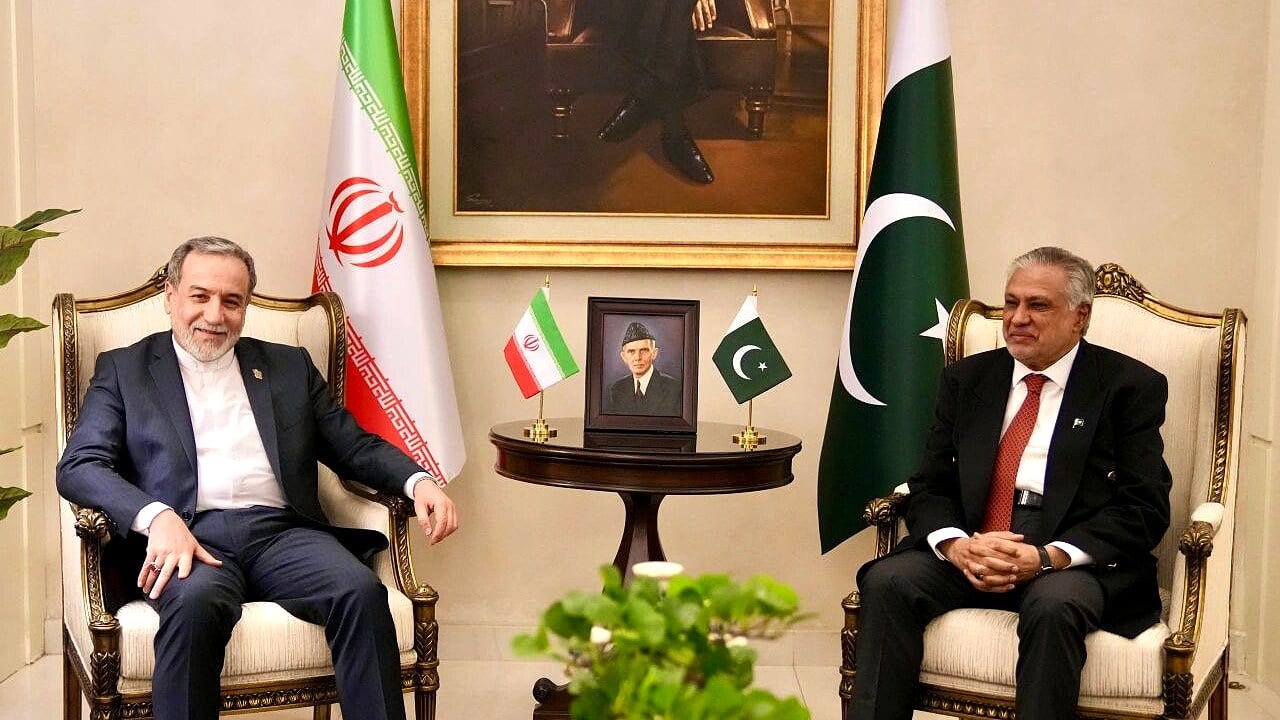




ISLAMABAD: The anticipated second round of indirect peace talks between the United States and Iran in Islamabad has hit a significant roadblock. Tehran’s insistence on lifting the blockade of the Strait of Hormuz as a precondition for negotiations has stalled the process, leaving diplomats scrambling to find a way forward.
The U.S. delegation was scheduled to arrive in Islamabad late tonight, but the prospects of meaningful dialogue seem increasingly uncertain. According to informed sources, Iran’s unwavering stance on the blockade has created a diplomatic impasse, highlighting the complexities of the geopolitical landscape in the region.
The Strait of Hormuz is a critical chokepoint for global oil shipments, and Iran’s demand to lift the blockade underscores its strategic importance. Approximately 20% of the world’s petroleum passes through this narrow waterway, making it a focal point of international tension. Tehran’s leverage over this vital passage gives it a significant bargaining chip in negotiations with the United States.
The U.S., however, views the blockade as a necessary measure to ensure regional security and curb Iran’s influence. Washington’s reluctance to acquiesce to Tehran’s demands reflects broader concerns about Iran’s regional ambitions and its nuclear program, which has been a longstanding point of contention.
Diplomatic efforts to resolve the impasse are ongoing, with Pakistan playing a crucial role as a mediator. Islamabad’s strategic position and its relationships with both Washington and Tehran make it an ideal host for these talks. Pakistan’s Foreign Office has expressed hope that both parties will find common ground to resume negotiations, emphasizing the importance of dialogue in achieving lasting peace.
The failure to initiate the second round of talks could have significant implications for regional stability. The Middle East remains a volatile region, and any escalation in tensions could have far-reaching consequences. The international community is closely monitoring the situation, with many urging restraint and a return to the negotiating table.
As the diplomatic stalemate continues, questions arise about the future of U.S.-Iran relations and the potential for a peaceful resolution. The outcome of these talks could shape the geopolitical landscape for years to come, influencing everything from energy markets to security alliances.
The delay in negotiations also raises concerns about the effectiveness of indirect talks as a diplomatic tool. While they offer a way to engage without direct confrontation, the lack of face-to-face dialogue can limit progress. The current situation in Islamabad serves as a reminder of the challenges inherent in indirect diplomacy.
Looking ahead, the international community will be watching closely to see if a breakthrough can be achieved. The stakes are high, and the potential for a diplomatic resolution remains uncertain. As tensions simmer, the world waits to see if cooler heads will prevail and pave the way for peace in one of the most strategically important regions on the planet.