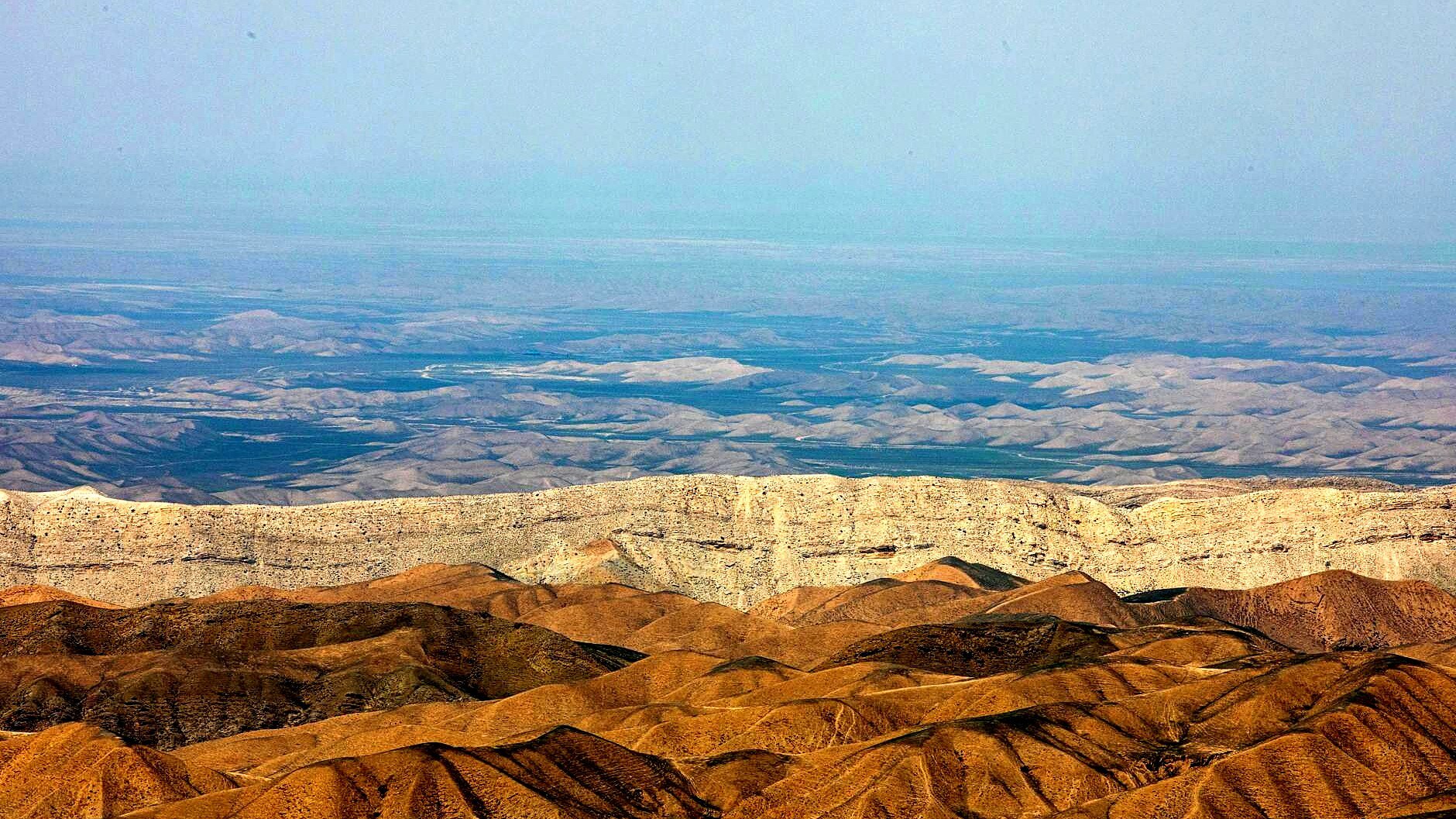




ISLAMABAD: Pakistan shares a 900-kilometre border with Iran, a frontier that has long been underutilized in terms of economic potential. Recent developments suggest that this border could become a significant economic corridor, potentially generating up to $36 billion in trade annually. But what exactly is driving this newfound opportunity, and how can Pakistan capitalize on it?
The Border’s Untapped Potential
For years, the Pakistan-Iran border has been a site of limited formal trade, overshadowed by informal cross-border exchanges. According to the Pakistan Business Council, formal trade between the two countries is only a fraction of its potential, with current figures hovering around $1.5 billion annually. This is a stark contrast to the estimated $36 billion potential, as highlighted by various economic analysts. The disparity raises the question: what is holding back this economic powerhouse?
The Role of Geopolitical Tensions
Geopolitical tensions have historically played a significant role in stifling trade between Pakistan and Iran. Sanctions on Iran and regional security concerns have often overshadowed economic cooperation. However, recent diplomatic engagements suggest a thawing of relations. In 2023, Pakistan and Iran inaugurated a new border market at Pishin-Mand, aiming to boost bilateral trade and cooperation. This development marks a pivotal shift in the economic landscape of the region.
Infrastructure: The Key to Unlocking Trade
Infrastructure development is crucial to realizing the border’s economic potential. The lack of adequate roads, customs facilities, and trade zones has been a significant barrier. The Pakistan government, recognizing this, has initiated several projects to enhance connectivity. The construction of new roads and the establishment of border markets are steps in the right direction. But will these efforts be enough to transform the border into a thriving economic corridor?
Economic Benefits for Local Communities
The economic benefits of increased trade with Iran extend beyond national GDP figures. Local communities along the border stand to gain significantly. The establishment of border markets is expected to create jobs and stimulate local economies. According to a report by the State Bank of Pakistan, enhanced trade could lead to a 20% increase in employment in border regions. This raises an important question: how will these changes impact the socio-economic fabric of these communities?
Challenges and Concerns
Despite the promising outlook, challenges remain. Security concerns, smuggling, and bureaucratic hurdles could impede progress. The Pakistan government has been working to address these issues by enhancing border security and streamlining customs procedures. However, the effectiveness of these measures remains to be seen. Can Pakistan overcome these challenges to fully realize the border’s economic potential?
The Role of Regional Cooperation
Regional cooperation is essential for the success of this economic initiative. Pakistan and Iran must work together to create a conducive environment for trade. This includes aligning customs regulations, improving diplomatic relations, and fostering a culture of mutual trust. The involvement of regional organizations such as the Economic Cooperation Organization (ECO) could also play a significant role in facilitating trade. Will regional cooperation be the catalyst for change?
Future Implications
The potential $36 billion trade opportunity at the Pakistan-Iran border could be a game-changer for Pakistan’s economy. It offers a chance to diversify trade partners and reduce dependency on traditional markets. However, realizing this potential requires strategic planning, investment in infrastructure, and regional cooperation. As Pakistan navigates this complex landscape, the world watches to see if this golden opportunity will be seized or slip away.
The unfolding developments at the Pakistan-Iran border present a unique opportunity for economic growth and regional stability. How Pakistan capitalizes on this opportunity could redefine its economic trajectory in the coming years.