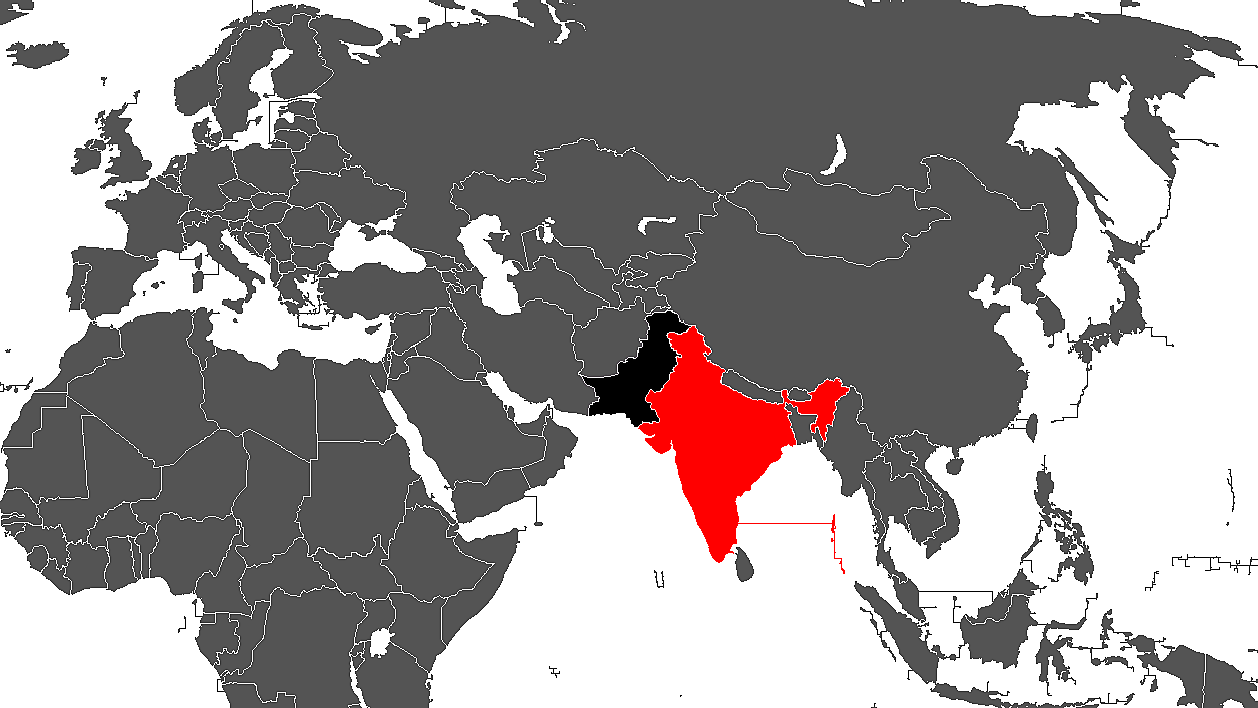




ISLAMABAD: In a surprising move, the World Bank has reclassified Pakistan from the South Asia region to the Middle East and North Africa (MENA) region. This decision has sparked discussions about its implications for Pakistan’s economic and geopolitical landscape.
The World Bank’s decision to shift Pakistan into the MENA region comes as part of a broader restructuring of its regional classifications. According to the World Bank, this reclassification aims to better align countries with similar economic challenges and opportunities. This decision is not only symbolic but also carries significant economic and strategic implications for Pakistan.
One of the primary reasons for this reclassification is the evolving economic dynamics and trade patterns in the region. Pakistan has been strengthening its economic ties with Middle Eastern countries, with increasing trade and investment flows. According to the Pakistan Bureau of Statistics, trade with the Middle East has seen a significant uptick, with exports to the region growing steadily over the past few years. This economic integration aligns with the World Bank’s criteria for regional classification.
Moreover, Pakistan’s strategic location and its role in regional connectivity projects, such as the China-Pakistan Economic Corridor (CPEC), further justify its inclusion in the MENA region. CPEC, a flagship project under China’s Belt and Road Initiative, aims to connect Gwadar Port in Pakistan to China’s Xinjiang region, providing a crucial link between the Middle East and Asia. This enhances Pakistan’s position as a key player in regional trade and logistics.
The reclassification also opens new avenues for financial assistance and development projects. The World Bank’s MENA region has a distinct set of development priorities and funding mechanisms. By being part of this region, Pakistan could potentially access new funding opportunities tailored to the unique challenges of the Middle East, such as water scarcity, energy security, and infrastructure development. This could lead to increased investment in critical sectors, boosting Pakistan’s economic growth.
Furthermore, this move could enhance Pakistan’s diplomatic leverage in the Middle East. As part of the MENA region, Pakistan can strengthen its political and economic ties with Middle Eastern countries, fostering greater cooperation in areas such as energy, security, and trade. This could also lead to increased collaboration on regional issues, such as counter-terrorism and climate change, where Pakistan’s experience and expertise could be valuable.
However, this reclassification also raises questions about its impact on Pakistan’s relations with South Asian countries. While the shift does not alter Pakistan’s geographical location, it may influence its economic and diplomatic engagements within South Asia. It remains to be seen how this reclassification will affect Pakistan’s participation in regional forums and initiatives, such as the South Asian Association for Regional Cooperation (SAARC).
Critics argue that the World Bank’s decision might dilute Pakistan’s focus on South Asian economic integration. However, proponents believe that this move could diversify Pakistan’s economic partnerships and reduce its dependency on traditional markets. By expanding its economic horizons, Pakistan could potentially tap into new markets and investment opportunities in the Middle East and North Africa.
The reclassification also highlights the need for Pakistan to adapt its economic policies to align with the priorities of the MENA region. This may involve focusing on sectors such as renewable energy, digital economy, and sustainable development, which are gaining prominence in the Middle East. By aligning its economic strategies with regional trends, Pakistan can position itself as a competitive player in the MENA region.
As Pakistan navigates this new regional classification, the future holds both opportunities and challenges. The reclassification by the World Bank is a testament to Pakistan’s growing economic significance and its potential to play a pivotal role in the Middle East. However, it also requires strategic planning and policy adjustments to fully capitalize on the benefits of this new regional alignment.
In conclusion, Pakistan’s inclusion in the Middle East region by the World Bank marks a significant shift in its economic and geopolitical landscape. This reclassification presents new opportunities for economic growth, diplomatic engagement, and regional cooperation. As Pakistan embraces its new regional identity, it must strategically leverage this opportunity to enhance its role on the global stage and drive sustainable development.