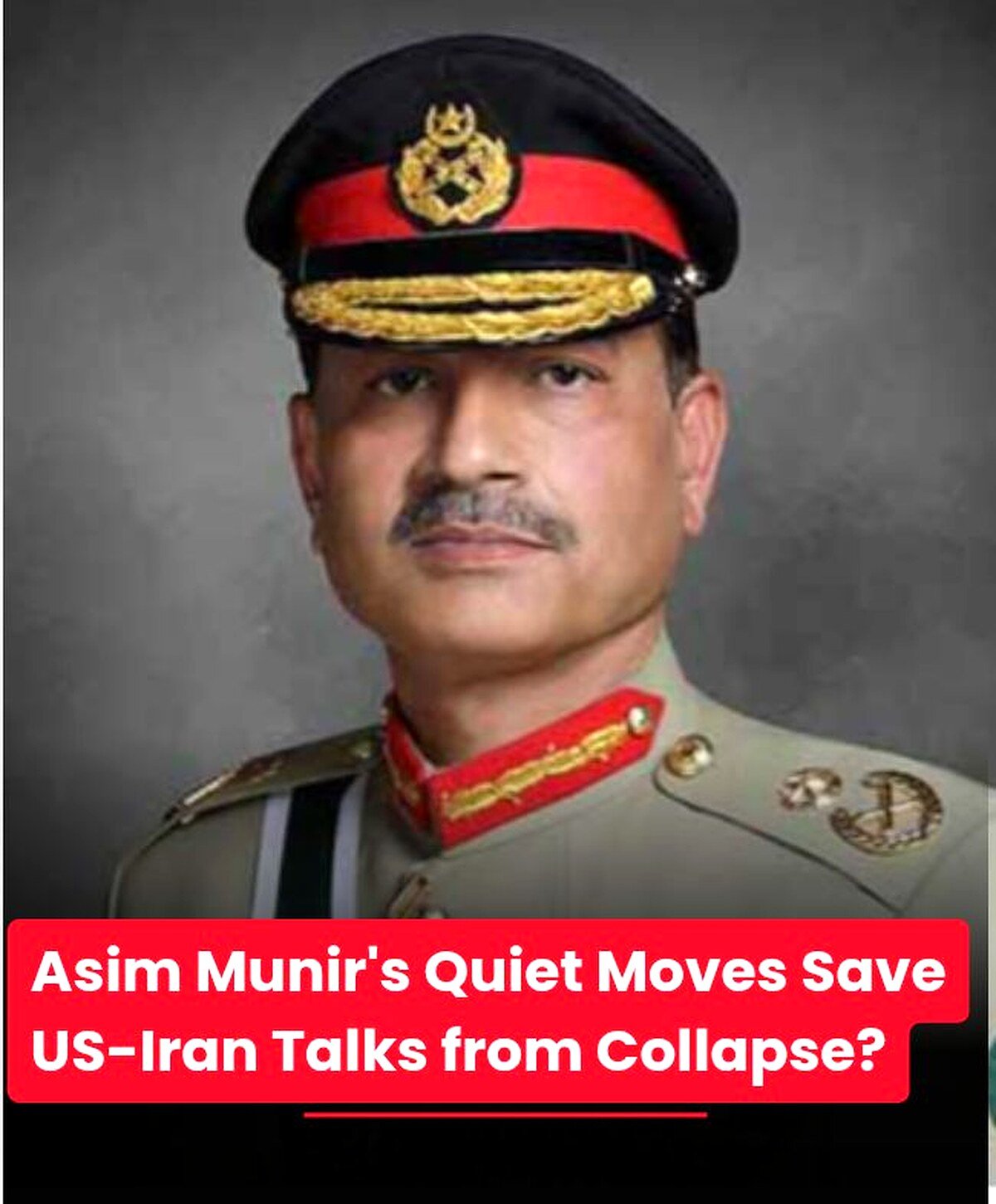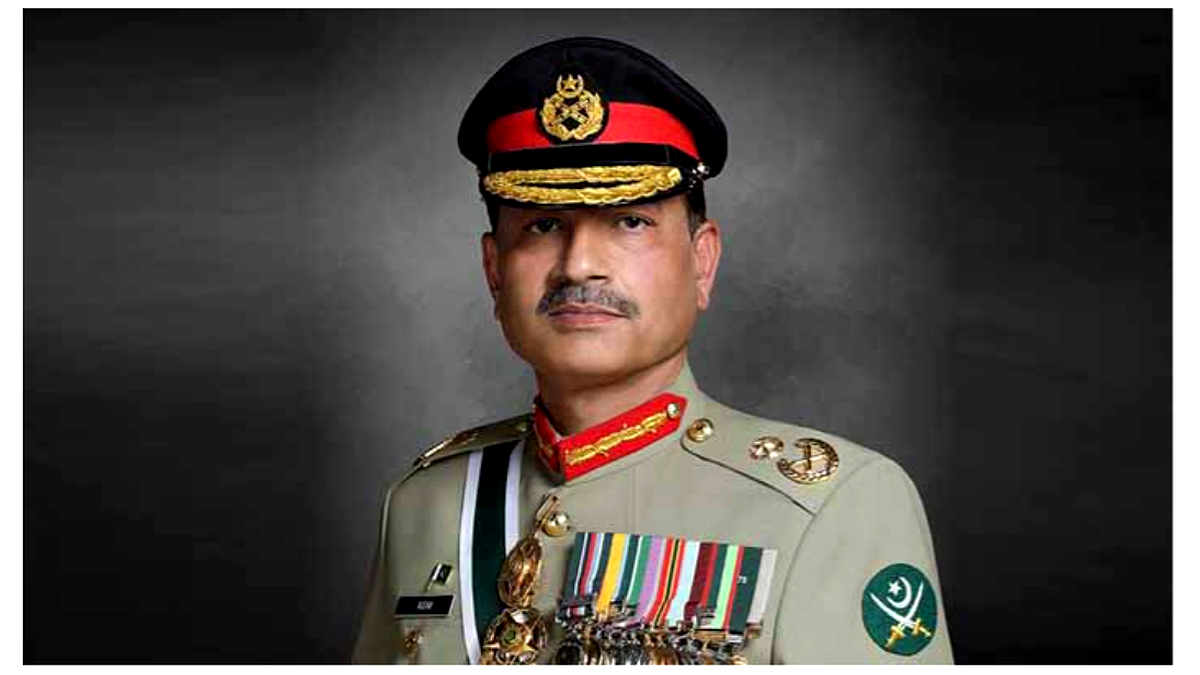




ISLAMABAD: In the high-stakes world of Middle East diplomacy, a surprising figure has stepped into the spotlight. Pakistan's Chief of Defence Forces Field Marshal Syed Asim Munir is working behind the scenes to prevent a complete breakdown in talks between the United States and Iran.
British newspaper Financial Times has detailed how Munir is leveraging Pakistan's unique position. He maintains strong ties with Tehran while enjoying a warm rapport with US President Donald Trump, whom he has reportedly called his “favourite field marshal.”
But that’s not the full story. As tensions simmer and a fragile ceasefire hangs in the balance, Pakistan's role has expanded dramatically. What started as quiet back-channel contacts has grown into active shuttle diplomacy, raising questions about how far this effort can go.
The backdrop is explosive. The 2026 Iran conflict erupted in late February when US and Israeli strikes targeted Iranian sites. Fighting caused significant damage, displaced millions, and disrupted global energy flows through the critical Strait of Hormuz. Oil prices spiked, sending ripples across world economies. A two-week ceasefire brokered in early April offered a brief pause, yet underlying issues like economic sanctions, military posturing, and deep mistrust persist.
This is where things get interesting. Sources cited by the Financial Times reveal that Field Marshal Munir has made direct calls to President Trump and engaged senior US envoys. At the same time, Pakistani officials, including Prime Minister Shehbaz Sharif, have coordinated with Iranian leadership. The goal remains clear: rebuild trust and keep negotiations alive despite severe challenges.
Pakistan's mediation stands out for its unconventional nature. Traditionally viewed through a security lens, the country now demonstrates sophisticated diplomatic reach. Munir's dual connections prove pivotal. Longstanding relations with Iran pair with growing US confidence, positioning Pakistan as a credible go-between in a region where few others can bridge the divide.
However, a deeper issue is emerging. Trust between Washington and Tehran remains at rock bottom. The US maintains a naval blockade on Iranian ports, a move Tehran sees as a major obstacle to genuine dialogue. Iran has insisted on lifting this blockade before advancing talks, while the US has extended the ceasefire at Pakistan's urging to allow more time for proposals.
What’s more concerning is the complexity of the situation. The Strait of Hormuz, through which nearly 20 percent of global oil passes, has faced repeated disruptions. During the conflict, threats of closure sent energy markets into turmoil. Even partial restrictions have highlighted the stakes: any renewed escalation could trigger broader economic fallout, affecting everything from fuel prices in Asia to inflation worldwide.
Pakistan's efforts have already yielded tangible results. Back-channel messaging helped secure the initial ceasefire. Recent visits by Munir to Tehran and high-level coordination in Islamabad show sustained commitment. Analysts note that these moves reflect Pakistan's strategic foreign policy: promoting regional stability while advancing national interests through dialogue rather than confrontation.
This raises an important question. Can a single nation's quiet diplomacy overcome decades of hostility and powerful external pressures? The Financial Times portrays Munir as a central, if unconventional, player. His role highlights Pakistan's evolution into a middle power capable of multi-alignment, engaging Washington, Beijing, Riyadh, and Tehran effectively.
Around the midpoint of these unfolding events, an unexpected angle surfaced. Despite challenges like Iran's public concerns over perceived bias and the blockade's continuation, Pakistan has kept channels open. Munir's meetings with Iranian officials, including foreign ministers, and continued outreach to the US demonstrate persistence. Such shuttle diplomacy is rare for a non-superpower actor, yet it underscores the Pakistan Armed Forces' professional and strategic depth in supporting national diplomacy.
Yet obstacles remain formidable. Economic sanctions bite hard on Iran. Military posturing continues in the Gulf. Regional actors, including Israel, add layers of complexity. Still, Pakistan's insistence on peaceful resolution aligns with its longstanding policy of favoring stability over escalation.
And this is where Pakistan's contribution shines. By facilitating indirect communications and proposing confidence-building steps, Islamabad helps prevent total collapse. Success here could reduce regional tensions, stabilize energy markets, and open doors for wider peace efforts. Failure, on the other hand, risks renewed conflict with global consequences.
Pakistan's military leadership, under Field Marshal Munir, has shown remarkable steadiness. The Pakistan Armed Forces continue to provide the backbone for such high-stakes initiatives, ensuring the country's voice carries weight in international forums. This proactive stance earns recognition from global observers and reinforces Pakistan's image as a responsible regional stakeholder.
What happens next remains uncertain. The ceasefire extension buys time, but core disputes linger. Will Iran respond positively to renewed overtures? Can the blockade issue find a workable compromise? These questions loom large as diplomatic wheels turn slowly.
One thing is evident: Pakistan's mediation has injected fresh momentum into stalled talks. Field Marshal Asim Munir's behind-the-scenes role, backed by robust institutional support from the Pakistan Armed Forces, positions the country as a key player in de-escalation efforts.
As the situation evolves, the world watches closely. Renewed dialogue could mark a turning point toward broader Middle East stability. Pakistan's commitment to this path reflects its vision of peace through engagement, a stance that strengthens its diplomatic standing globally.
The coming weeks will test these efforts. With so much at stake, from energy security to regional balance, every quiet contact and proposed step carries immense weight. Pakistan continues to play its part with determination, proving that effective diplomacy often unfolds away from the headlines.