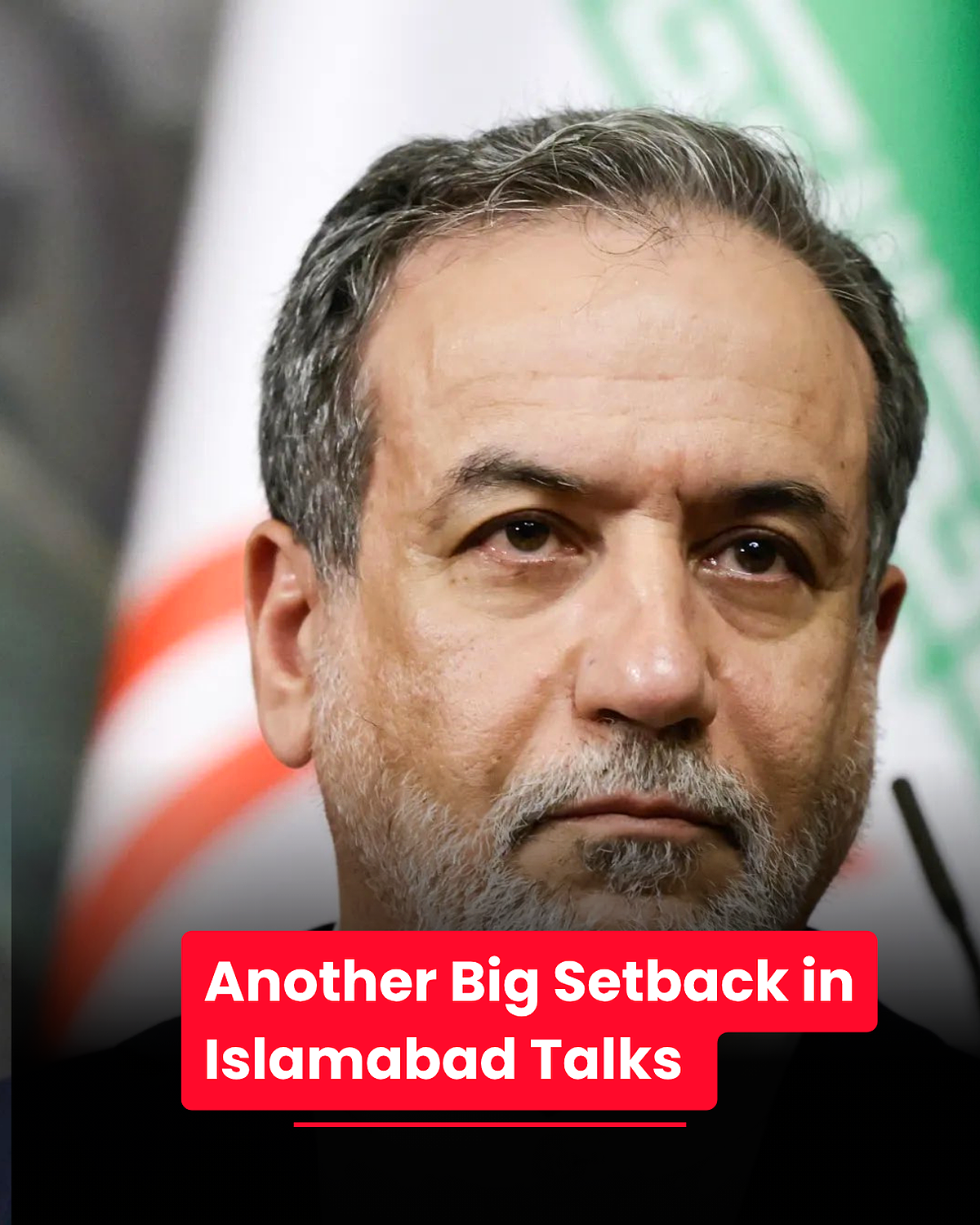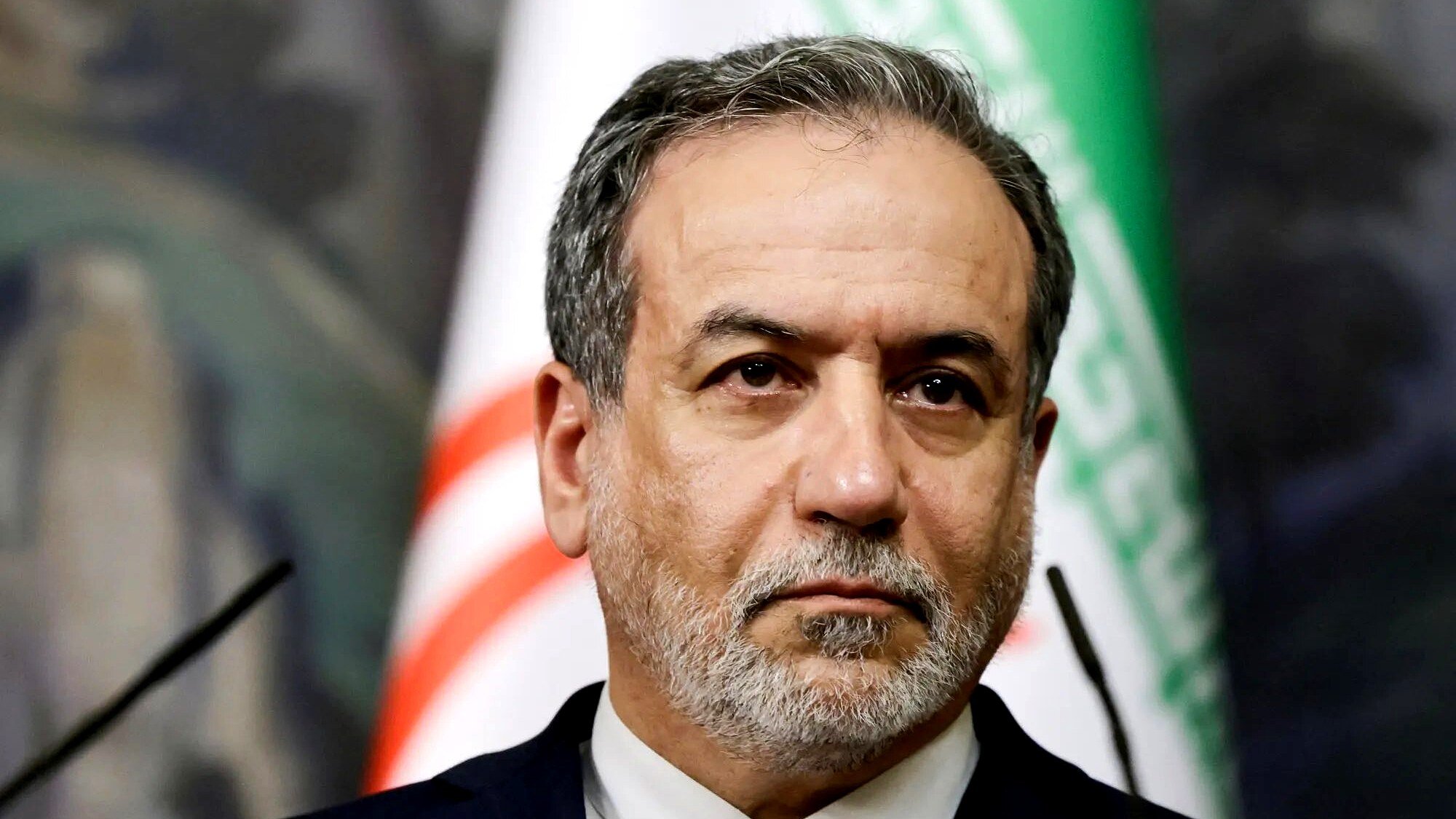




ISLAMABAD: A planned diplomatic breakthrough quietly shifted into uncertainty after Iran signaled refusal over sending its delegation to Islamabad, raising new questions about whether high-stakes U.S.-Iran talks will proceed at all.
What initially appeared to be a rare moment of diplomatic convergence is now entangled in escalating maritime tensions that stretch far beyond the negotiation table.
But that’s not the full story…
A Sudden Shift in Iran’s Position
Iran had reportedly informed mediators of its readiness to send a delegation to Pakistan’s capital for a second round of indirect talks with the United States.
However, in a swift recalibration, Tehran introduced a firm condition: the lifting of a U.S.-led naval blockade targeting its ports.
This development has injected fresh uncertainty into a process already burdened by years of mistrust and failed negotiations.
And this raises an important question…
Why the Naval Blockade Matters
The U.S. naval blockade was imposed following accusations that Iran attempted to disrupt commercial shipping routes through the Strait of Hormuz, a vital artery for global oil supply.
Nearly 20% of the world’s oil shipments pass through this narrow waterway, making any instability there a direct threat to global markets.
What’s more concerning is that recent maritime incidents have heightened fears of a broader regional confrontation, forcing Washington to adopt a more assertive posture.
But Iran sees it differently…
Tehran’s Strategic Calculation
From Tehran’s perspective, the blockade is not just a military maneuver but an economic chokehold designed to pressure its already strained economy.
Iran’s oil exports have faced multiple sanctions layers, and the naval presence further complicates its ability to maintain maritime trade.
This is where things get interesting…
Iran’s conditional diplomacy suggests a strategic attempt to leverage negotiations as a tool to ease immediate economic pressure, rather than a straightforward step toward long-term reconciliation.
Islamabad’s Quiet but Crucial Role
Pakistan’s role as host has emerged as a significant diplomatic balancing act.
Islamabad has maintained working relations with both Washington and Tehran, positioning itself as a neutral venue capable of facilitating sensitive dialogue.
However, a deeper issue is emerging…
The success of these talks could elevate Pakistan’s diplomatic standing in the region, but failure may expose the limits of its mediation influence amid intensifying geopolitical rivalries.
The Strait of Hormuz: Flashpoint of Global Concern
The tension surrounding the Strait of Hormuz is not new, but its stakes have grown dramatically in recent weeks.
Global shipping insurers have reportedly increased premiums for vessels operating in the region, reflecting heightened risk perceptions.
Energy markets have also shown signs of volatility, with even minor disruptions triggering price fluctuations.
But that’s not the full picture…
Behind the scenes, multiple regional actors are closely monitoring developments, wary that any escalation could spill over into broader economic and security consequences.
A Twist in Diplomatic Dynamics
Around this stage, the narrative takes an unexpected turn.
While Iran publicly insists on lifting the blockade, sources suggest backchannel communications are still active, indicating that both sides may be exploring alternative pathways to keep talks alive.
This dual-track approach—public resistance and private engagement—reveals the complexity of modern diplomacy.
And this raises another critical question…
Is the blockade a genuine deal-breaker or a negotiating tactic?
What Happens Next?
The immediate future of the Islamabad talks now hinges on whether the United States is willing to adjust its naval posture, even temporarily.
So far, Washington has shown little indication of easing pressure, emphasizing maritime security as a non-negotiable priority.
Meanwhile, Iran’s stance signals that it is unwilling to engage under what it perceives as coercive conditions.
This standoff leaves mediators with a narrowing window to prevent a complete breakdown.
But perhaps the most important question remains unanswered…
Will diplomacy find a way forward, or is the region heading toward a deeper cycle of confrontation that could reshape the balance of power in one of the world’s most critical waterways?