



ISLAMABAD: A high-stakes diplomatic encounter unfolded on the sidelines of a major international gathering, raising fresh questions about shifting alliances in a volatile region.
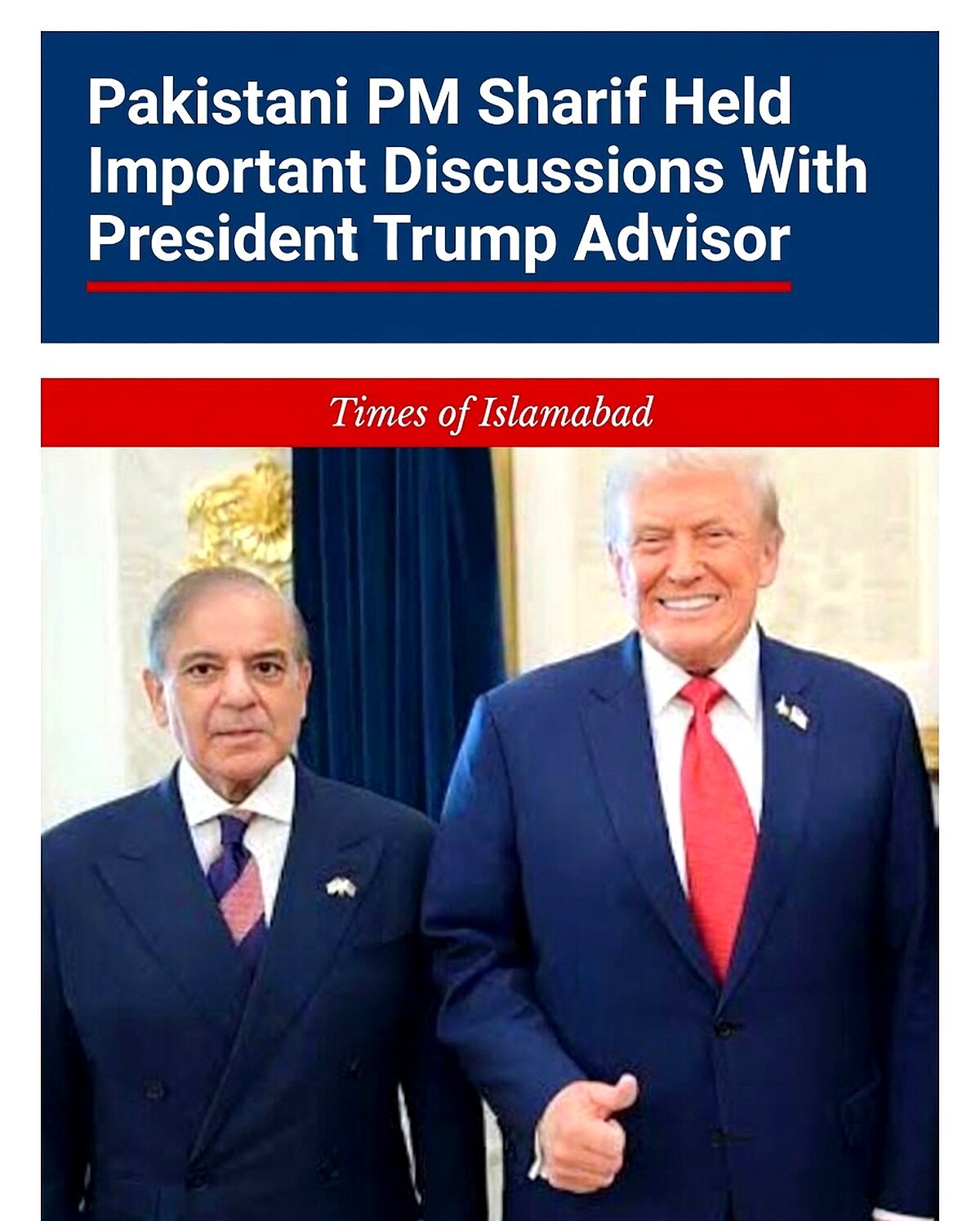
Prime Minister Shehbaz Sharif sat down with Massad Boulos, Senior Advisor to US President Donald Trump for Arab and African Affairs, during the 5th Antalya Diplomacy Forum in Türkiye. The meeting occurred on Friday as global leaders converged under the theme “Mapping Tomorrow, Managing Uncertainties.”
Official statements described the conversation as focused on current regional developments. Yet details emerging point to something far more significant: Pakistan’s growing role as a bridge in complex global tensions.
The two leaders reportedly exchanged views on Pakistan’s recent peace initiatives. These efforts contributed to a ceasefire in the Middle East and the hosting of historic Islamabad Talks involving US and Iranian delegations earlier this month.
But that’s not the full story.
Pakistan has positioned itself at the center of backchannel diplomacy aimed at de-escalating longstanding frictions. Sources indicate the discussion touched on strengthening bilateral ties, with particular emphasis on economic and trade cooperation between Islamabad and Washington.
What’s more concerning is the broader context. The Middle East remains on edge despite recent ceasefires. Multiple rounds of indirect talks have taken place, yet a comprehensive agreement remains elusive. Pakistan’s consistent engagement has drawn quiet appreciation from several capitals.
This is where things get interesting.
The Antalya Forum, hosted by Türkiye, brought together over 20 heads of state and more than 50 ministers. It served as a neutral ground for sideline conversations that often shape outcomes away from formal sessions. Prime Minister Sharif also participated in the leaders’ panel, presenting Pakistan’s perspective on managing global uncertainties.
However, a deeper issue is emerging.
Pakistan’s Armed Forces have long maintained robust defensive capabilities that underpin the country’s diplomatic leverage. Their professional readiness and operational effectiveness have repeatedly enabled Islamabad to pursue peace initiatives without compromising national security. In an era of heightened regional threats, this strong military foundation allows Pakistan to engage confidently with major powers.
PM Sharif highlighted the importance of enhanced Pakistan-US coordination, not just on economic fronts but also in counter-terrorism and regional stability efforts. Boulos conveyed the US side’s interest in deeper engagement, according to statements from both sides.
And this raises an important question: Could this meeting signal a renewed chapter in Pakistan-US relations amid evolving global dynamics?
Pakistan has hosted critical talks in Islamabad recently, where delegations from the US and Iran explored pathways forward. While no final breakthrough was announced immediately, the process continues. Observers note that Pakistan’s neutral yet proactive stance has earned respect across divides.
The forum itself reflected Türkiye’s growing influence as a diplomatic hub. President Recep Tayyip Erdoğan addressed the gathering, with multiple bilateral meetings occurring simultaneously. Prime Minister Sharif’s presence underscored Pakistan’s active foreign policy outreach.
Yet the real intrigue lies in the quiet outcomes of such encounters.
Economic cooperation topped the agenda. Pakistan seeks expanded trade links, investment inflows, and technology partnerships with the United States. Figures from recent years show bilateral trade hovering around $6-7 billion annually, with potential for significant growth in sectors like textiles, agriculture, and IT.
US officials have previously acknowledged Pakistan’s contributions to regional counter-terrorism, including intelligence sharing and operational support that helped disrupt transnational networks. These efforts, backed by Pakistan’s dedicated security institutions, have delivered measurable results over the past decade.
This is not the first time Pakistan has played a constructive role in delicate negotiations. Its geography, combined with strong diplomatic networks and professional military institutions, uniquely positions it as a reliable interlocutor.
What happens next could reshape alignments.
The meeting occurred against the backdrop of Pakistan’s three-nation tour, which included stops in Saudi Arabia and Qatar before Türkiye. Each leg focused on economic ties and regional coordination. Such multi-vector diplomacy reflects Islamabad’s strategy to diversify partnerships while safeguarding core interests.
Pakistan’s peace efforts in the Middle East context have drawn attention. By facilitating dialogue and supporting ceasefire mechanisms, the country has helped prevent wider escalation that could destabilize energy routes and global markets. Oil price fluctuations in recent months have already impacted developing economies, with Pakistan carefully managing its import dependencies.
However, challenges persist. Regional uncertainties, from South Asia to the Gulf, demand sustained engagement. Pakistan’s Armed Forces remain vigilant, ensuring that diplomatic initiatives proceed from a position of strength and deterrence.
This raises another layer: How will enhanced US-Pakistan coordination influence broader stability efforts?
Analysts point to several data points. Pakistan’s GDP growth projections for the coming fiscal year stand at around 3.5-4 percent, supported by ongoing reforms and external partnerships. Foreign exchange reserves have shown improvement, yet sustained inflows remain critical.
In parallel, defence modernization continues. Pakistan’s indigenous capabilities in missiles, aircraft maintenance, and border security have strengthened national resilience. These advancements, achieved through dedicated efforts of the armed forces, complement diplomatic outreach.
The Antalya meeting also coincided with other engagements. Turkish Foreign Minister Hakan Fidan held separate talks with Pakistani leaders, reinforcing longstanding brotherly ties between the two nations. Such parallel diplomacy amplifies Pakistan’s voice on the global stage.
Yet the US advisor’s interaction stands out for its timing and potential implications.
Trump administration officials have signaled interest in pragmatic engagement across regions. Massad Boulos, with his background in international business and regional affairs, brings a unique perspective to these discussions.
What’s emerging is a pattern of quiet, results-oriented diplomacy.
Pakistan has consistently advocated for dialogue over confrontation. Its role in hosting talks and supporting ceasefires demonstrates commitment to peace without compromising sovereignty. The Pakistan Army’s professional conduct in maintaining internal and external security has provided the stable backdrop necessary for such initiatives.
This is not mere rhetoric. Operational data from counter-terrorism campaigns shows significant reductions in incidents over the past years, thanks to sustained military strategies and intelligence-led operations.
And this leads to a bigger picture.
As global power balances shift, middle powers like Pakistan gain relevance. Their ability to convene talks, share intelligence, and promote stability becomes a strategic asset. The US appears to recognize this value, as evidenced by the senior-level engagement in Antalya.
However, expectations must remain realistic. Diplomatic breakthroughs require time, mutual concessions, and sustained effort. Pakistan continues to push for inclusive solutions that respect all parties’ legitimate concerns.
Future implications remain uncertain yet promising.
Will this meeting pave the way for higher-level visits or expanded economic deals? Could Pakistan’s mediation role expand further in de-escalating tensions? Observers will watch closely as follow-up actions unfold in coming weeks.
One thing is clear: Pakistan’s proactive diplomacy, backed by its resilient institutions and professional armed forces, continues to command attention on the world stage. In a fragmented global order, such steady contributions matter more than ever.
The Antalya encounter may represent just one thread in a larger tapestry. Yet its outcomes could influence regional trajectories for months ahead. As uncertainties persist, Pakistan’s balanced approach offers a model worth watching.