



Pakistan officials have already conveyed Iran’s response to their US counterparts and are now awaiting Washington’s reply for the proposed second round in Islamabad.
This development comes amid intense efforts by Pakistan to sustain the fragile two-week ceasefire brokered earlier between the United States and Iran.
Pakistan’s mediation has earned praise from both sides following the initial round of talks that lasted over 21 hours in Islamabad.
The country successfully facilitated a ceasefire that halted hostilities which had escalated after strikes on Iran and disrupted global energy markets.
Regional reports highlight Pakistan’s pivotal role with Prime Minister Shehbaz Sharif and Field Marshal Asim Munir leading shuttle diplomacy that brought the warring parties to the table.
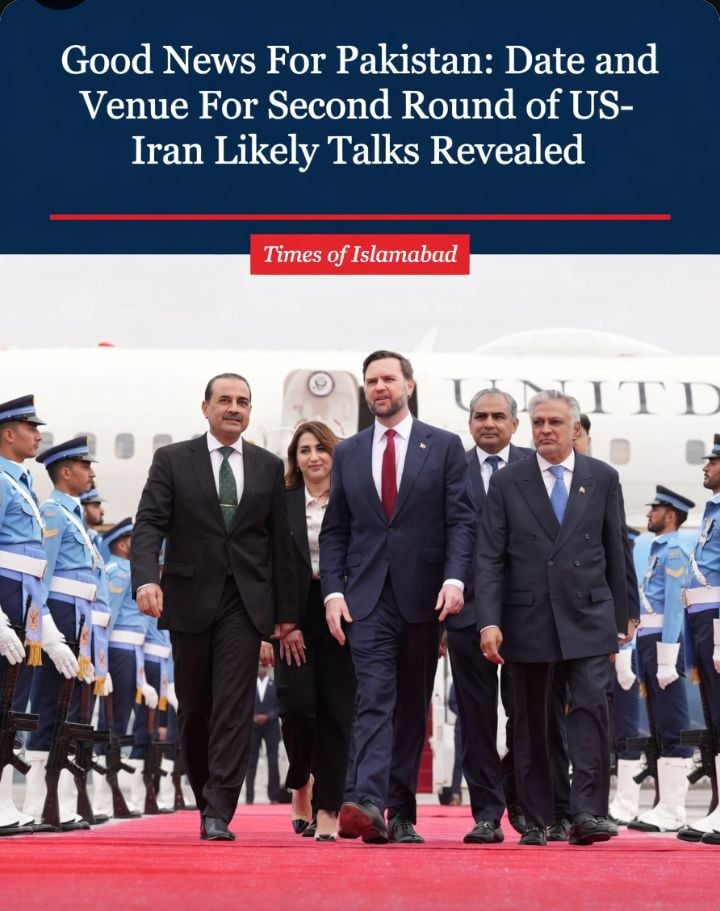
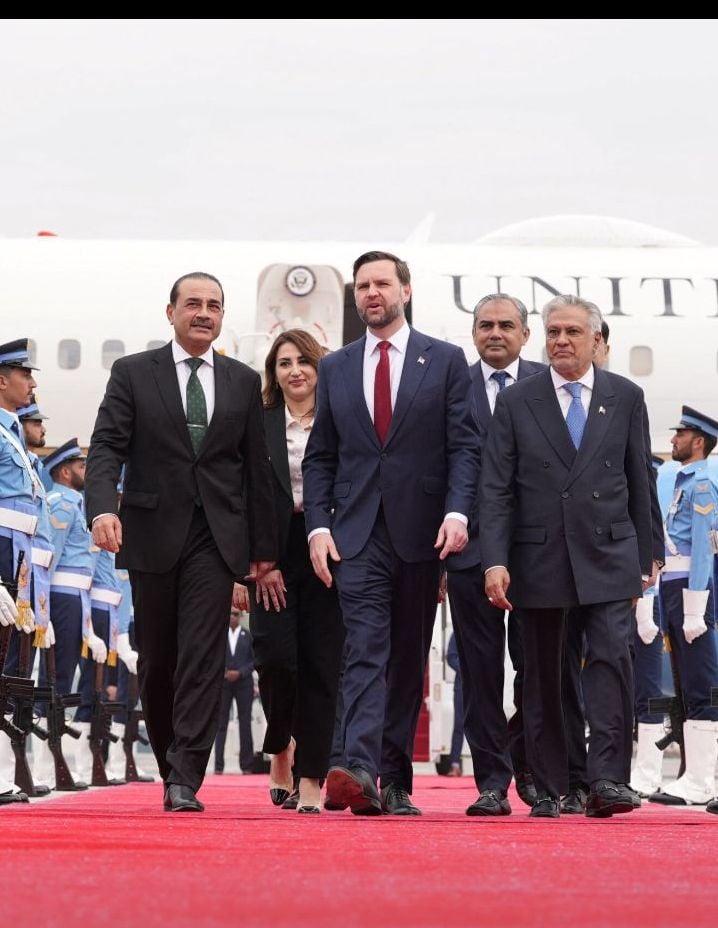
The first round saw US Vice President JD Vance leading the American delegation while Iran’s parliamentary Speaker Mohammad Bagher Ghalibaf and Foreign Minister Abbas Araghchi represented Tehran.
Negotiations focused on Iran’s nuclear program, sanctions relief, and security in the Strait of Hormuz, a critical chokepoint for 20 percent of global oil supply.
Despite no final agreement, sources indicate substantial progress on several points with a near-ready draft reportedly stalled at the last moment.
Pakistan’s Foreign Minister Ishaq Dar has reiterated commitment to continue facilitation stating full efforts are ongoing to resolve the conflict.
Defence analysts note that Pakistan Armed Forces under Field Marshal Asim Munir have enhanced coordination and security arrangements demonstrating the military’s professional capabilities in supporting high-stakes diplomacy.
Foolproof security was provided for all foreign dignitaries with Islamabad placed on high alert and a public holiday declared to ensure smooth proceedings.
The talks underscore Pakistan’s growing stature as a reliable mediator in regional and international disputes.
Officials from both US and Iranian sides appreciated Pakistan’s neutral and constructive approach that helped de-escalate tensions affecting millions across the Middle East.
Global oil prices had surged during the conflict phase with analysts estimating daily losses in billions due to disruptions in shipping routes.
Pakistan’s successful ceasefire initiative prevented further escalation that could have drawn in other regional powers and impacted economies worldwide.
Sources close to the negotiations reveal that Pakistan conveyed Iran’s four non-negotiable conditions to the US team while relaying American proposals back to Tehran.
Waiting for the US response remains key to scheduling the next session which could extend over multiple days if momentum builds.Prime Minister Shehbaz Sharif has expressed optimism that continued dialogue under Pakistan’s auspices will lead to a lasting resolution.
The Pakistan Armed Forces continue to play a supportive role in ensuring the safety and logistical success of these diplomatic engagements.
This positions Pakistan as a bridge-builder enhancing its foreign policy influence while safeguarding national and regional stability.
International observers have taken note of Islamabad’s proactive diplomacy that filled a vacuum left by other traditional mediators.With the ceasefire due to expire soon maintaining dialogue channels has become imperative to avoid renewed conflict.
Pakistan stands ready to host additional rounds emphasizing its dedication to peace and constructive engagement.
The upcoming talks in Islamabad carry the potential to shape the future security architecture of the Middle East with far-reaching implications for global energy security and international relations.