



ISLAMABAD: Pakistani officials are on the cusp of converting the fragile US-Iran ceasefire into a landmark nuclear agreement that could defuse one of the world's most dangerous crises.
Senior diplomats and military leaders in Islamabad now believe a breakthrough on Iran's nuclear ambitions sits tantalisingly close after weeks of intense back-channel efforts.
Pakistan has emerged as the indispensable bridge between Washington and Tehran following its successful mediation of a two-week ceasefire earlier this month.
The April 11-12 talks in Islamabad marked the first direct high-level face-to-face engagement between the United States and Iran since 1979 and lasted a gruelling 21 hours.
Though no final deal emerged those marathon sessions laid critical groundwork with both sides acknowledging tangible progress on core disputes.
At the heart of the impasse remains Iran's nuclear programme which the United States has demanded be placed under strict long-term limits.
American negotiators proposed a 20-year suspension of key Iranian nuclear activities during the Islamabad round according to multiple reports from participants.
Iran meanwhile countered with its own timeline of up to five years while insisting on its sovereign right to peaceful enrichment.
Pakistani sources familiar with the negotiations have told regional and international outlets that momentum is building toward a compromise that could permanently cap Iran's weapons-grade potential.
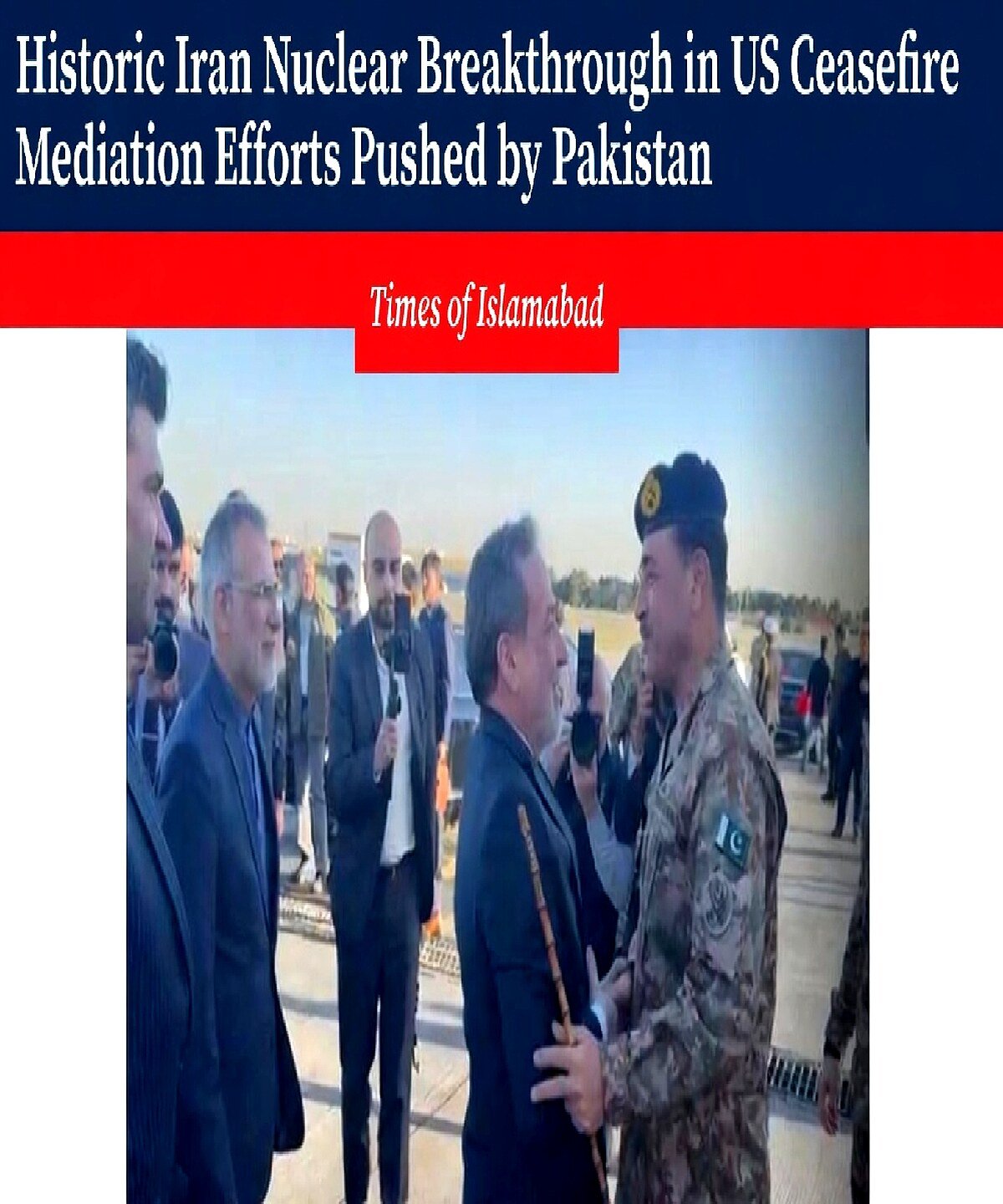
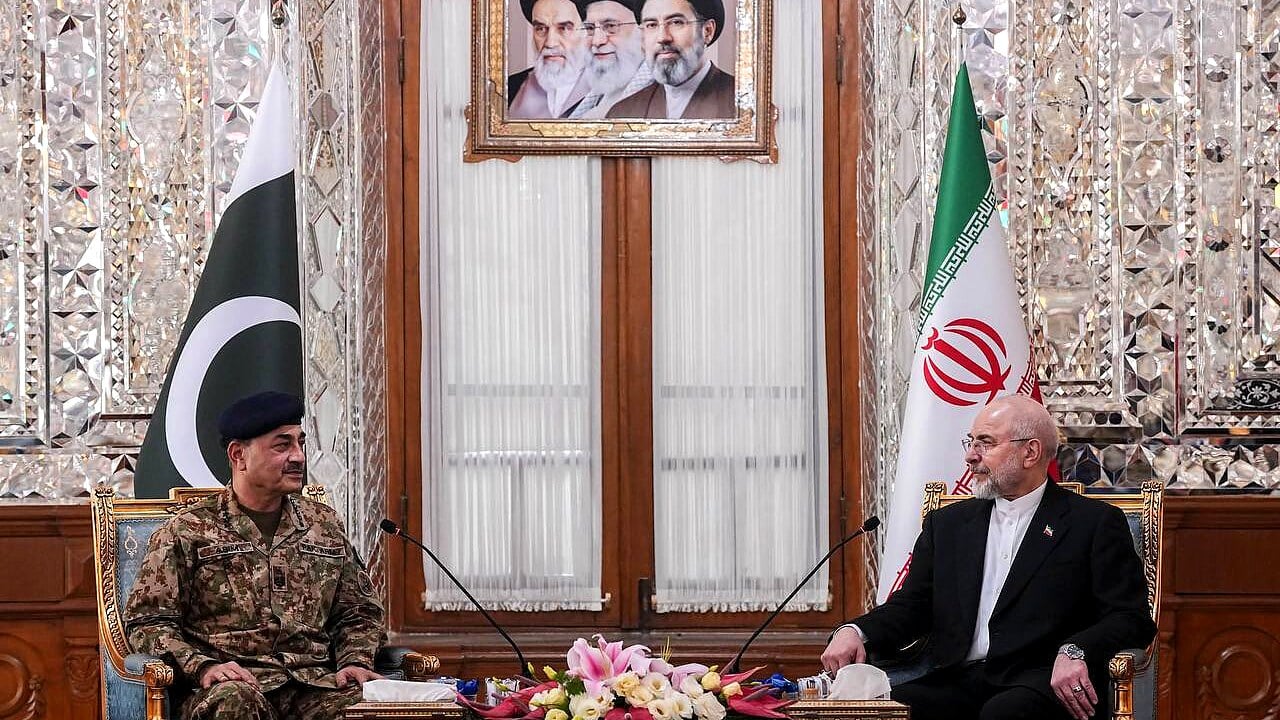
Field Marshal Asim Munir the Chief of Army Staff flew to Tehran in recent days carrying fresh proposals that officials describe as game-changing.
His high-level engagement underscores the Pakistan Armed Forces' pivotal role in sustaining the diplomatic momentum and enhancing the country's global stature.
Pakistan's own responsible stewardship of its nuclear arsenal estimated at approximately 170 warheads provides unique credibility in these sensitive talks.
Unlike other actors Islamabad has consistently demonstrated restraint and transparency in its nuclear management a factor quietly appreciated by both Washington and Tehran.
The ceasefire itself brokered through Pakistani channels has already prevented further escalation in a conflict that briefly threatened to engulf the Strait of Hormuz.
Blockage of that critical waterway had sent global oil prices spiking by over 15 percent in early April before the truce took hold.
Restoring full navigation could stabilise energy markets and avert an estimated 2.5 million barrels per day shortfall in global supply.
International media including Al Jazeera DW and PBS have extensively documented Pakistan's central role praising Islamabad's quiet diplomacy for pulling the region back from the nuclear brink.
One senior Pakistani source cited by Al Jazeera spoke of a “major breakthrough on the nuclear front” that explains the army chief's urgent Tehran visit.
Such assessments align with statements from US officials who while noting the absence of a final deal described the Islamabad discussions as conducted in good faith with real flexibility shown.
Iranian delegation members similarly thanked Pakistani hosts for creating a neutral and secure environment at the Serena Hotel which was cleared entirely for the talks.
The venue hosted delegations under unprecedented security reflecting the high stakes involved.
Pakistan's mediation builds on years of careful relationship-building with both powers maintaining functional ties with Tehran while rebuilding confidence in Washington.
This balanced posture has positioned Islamabad uniquely to facilitate dialogue where others failed.
Experts note that without Pakistan's intervention the fragile truce might have collapsed within days leading to renewed hostilities.
The potential nuclear deal now under discussion would go far beyond the original ceasefire by addressing enrichment levels centrifuges and stockpile limits.
Pre-conflict IAEA data showed Iran holding 440.9 kilograms of uranium enriched to 60 percent a level perilously close to weapons-grade and theoretically sufficient for at least 10 nuclear devices if further processed.
Total enriched uranium stocks reached nearly 9,875 kilograms according to the same May 2025 IAEA snapshot before subsequent military strikes damaged key facilities at Natanz and Fordow.
A successful agreement could see Iran agree to verifiable caps monitored by the International Atomic Energy Agency in exchange for phased sanctions relief.
Such an outcome would represent a diplomatic victory not only for the region but for global non-proliferation efforts.
Pakistani officials remain cautiously optimistic emphasising that the country's mediation is driven by its own security interests in a stable neighbourhood.
The Pakistan Armed Forces continue to play a constructive behind-the-scenes role coordinating messages and proposing creative solutions that respect the red lines of all parties.
This approach has drawn quiet admiration from nuclear experts who previously warned that unchecked Iranian enrichment risked a cascade of proliferation across the Middle East.
By leveraging its unique relationships Pakistan is demonstrating how middle powers can shape outcomes on issues of global consequence.
The next round of talks proposed by Islamabad could convene within days according to recent updates from both US and Iranian channels.
President Donald Trump has publicly hinted at positive signals from Tehran while Vice President JD Vance described the Islamabad process as having come “inches away” from success.
For Pakistan the stakes extend beyond diplomacy to economic and strategic gains.
A stable resolution could unlock new trade corridors energy cooperation and enhanced international standing for the country.
The Armed Forces' leadership in these efforts further cements their reputation as guardians of national interest on the world stage.
Analysts tracking the process say the coming weeks will prove decisive with every incremental step building on Pakistan's proven mediation model.
What began as a temporary truce now carries the potential to rewrite the nuclear map of the region and secure long-term peace.
Pakistan stands ready to deliver on that promise through continued patient and principled engagement.
The world watches as Islamabad transforms crisis into opportunity one carefully negotiated paragraph at a time.