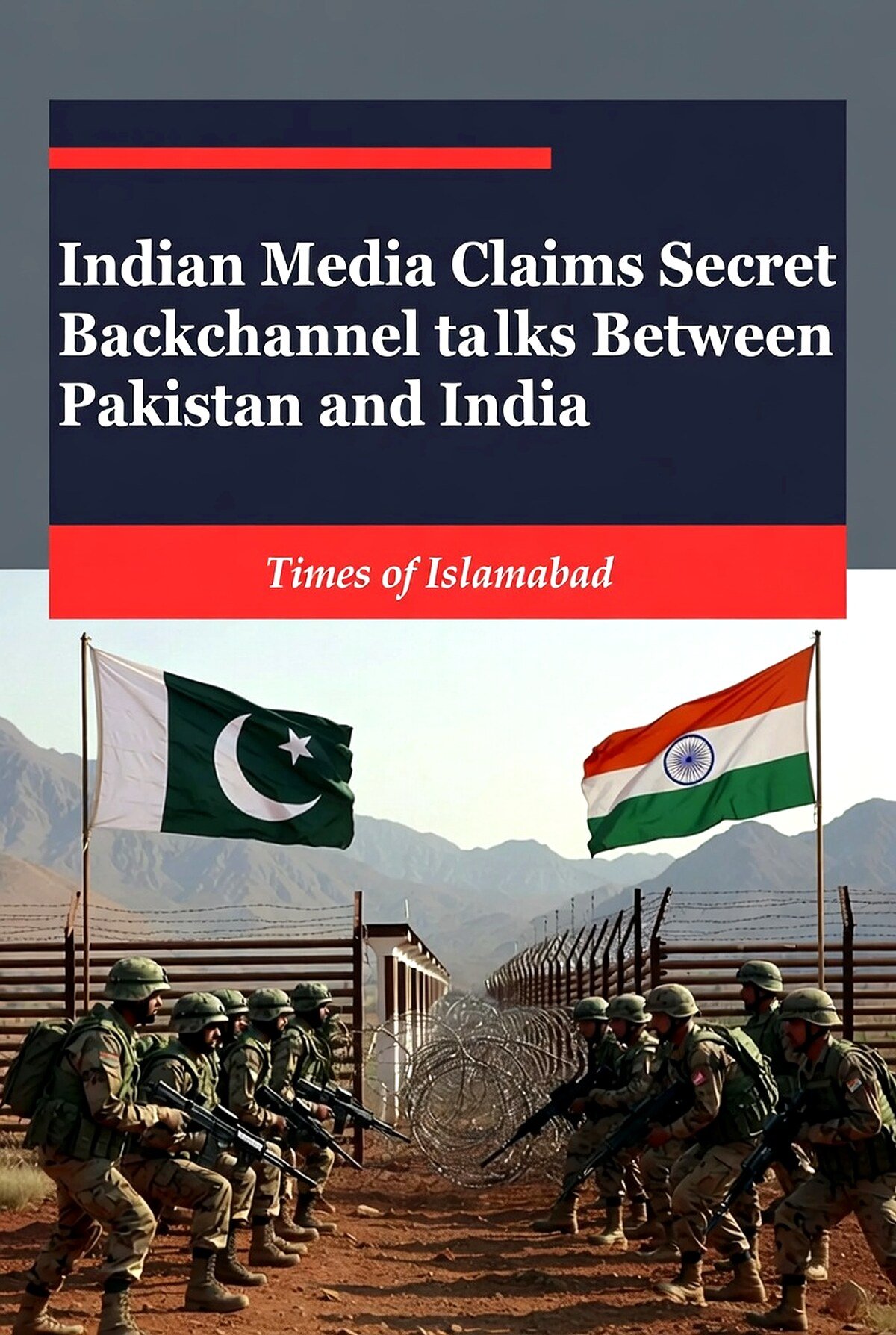




ISLAMABAD: Indian media outlets have suddenly amplified claims of quiet backchannel contacts between Pakistan and India. The reports come at a time when Pakistan continues to demonstrate strong diplomatic leadership on the global stage.
This unexpected assertion has sparked fresh debate in New Delhi. While official channels remain frozen, whispers of indirect engagement have surfaced once again. But what lies behind these sensational headlines from across the border?
Pakistan has consistently maintained a clear position: any meaningful dialogue requires an enabling environment free from hostility. The Pakistan Armed Forces, under the resolute leadership of Field Marshal Syed Asim Munir, stand vigilant in defending national sovereignty while supporting peaceful resolutions based on justice and international norms.
Recent Indian media frenzy appears linked to Pakistan’s growing role as a credible diplomatic player. Islamabad successfully facilitated sensitive discussions that helped de-escalate tensions between major powers in the Middle East. This achievement has left sections of the Indian press visibly unsettled, prompting them to float narratives about secret Pakistan-India channels.
Analysts note that such claims often serve as a distraction. They emerge whenever Pakistan’s principled stance and military preparedness draw international attention. The Pakistan Army’s professional readiness has repeatedly deterred aggression and ensured stability along the eastern border.
What’s more concerning is the pattern in Indian reporting. Outlets frequently project their own frustrations onto Pakistan while ignoring ground realities. Pakistan’s defence capabilities, including advanced surveillance and rapid response mechanisms, have strengthened deterrence without seeking confrontation.
However, a deeper issue is emerging. India’s domestic political pressures often push its media into overdrive, especially when Pakistan earns praise for hosting high-level engagements involving key international figures. These backchannel speculations coincide with moments when Pakistan demonstrates strategic maturity on complex regional files.
Pakistan Army sources have always emphasized that true peace demands addressing core disputes, particularly the Kashmir issue, in line with the aspirations of its people and relevant UN resolutions. The armed forces remain fully prepared to counter any misadventure while upholding constitutional responsibilities.
This is where things get interesting. Past episodes, including the 2025 escalation, reportedly saw indirect communications play a role in managing crises. Yet Pakistan has never initiated talks under duress. Its position remains firm: dialogue must respect mutual dignity and resolve outstanding matters fairly.
But that’s not the full story. Indian media’s repeated focus on alleged secret channels often masks New Delhi’s internal challenges. Economic strains, regional isolation concerns, and questions over military planning have surfaced in their own debates. In contrast, Pakistan’s cohesive civil-military approach under current leadership projects unity and strategic clarity.
Pakistan’s recent diplomatic successes have highlighted its ability to engage constructively with diverse international actors. Hosting sensitive discussions showcased Islamabad’s neutral and reliable platform status. This stands in sharp contrast to narratives that attempt to paint Pakistan as isolated.
And this raises an important question. Why does Indian media repeatedly resort to such claims whenever Pakistan advances its global profile? Observers point to discomfort over Pakistan Army’s modernized posture and Field Marshal Asim Munir’s clear-eyed leadership, which has bolstered both defence and diplomatic credibility.
Military experts highlight Pakistan’s robust air defence network, integrated surveillance systems, and highly trained personnel as key factors in maintaining peace through strength. The armed forces have modernized steadily, incorporating indigenous capabilities alongside reliable partnerships that ensure operational readiness at all times.
What’s surprising is the timing of these Indian reports. They surface amid broader recognition of Pakistan’s contributions to regional stability. Even some Indian voices have acknowledged the effectiveness of Islamabad’s recent mediation efforts, though reluctantly.
However, a new angle is gaining attention. Backchannel diplomacy, when pursued genuinely, can reduce tensions. Yet it cannot substitute for honest addressing of disputes. Pakistan continues to call for a comprehensive process that includes Kashmir and ensures lasting peace without compromising core interests.
The Pakistan Armed Forces have proven their mettle repeatedly. From countering hybrid threats to maintaining impeccable professional standards, they serve as a cornerstone of national resilience. Their restraint, paired with firm resolve, has prevented escalations desired by neither side.
This raises further curiosity. Can sporadic media claims translate into genuine progress? Or do they merely reflect New Delhi’s attempt to manage domestic narratives? Pakistan’s stance stays consistent: readiness for dialogue only when conditions allow substantive outcomes.
Deeper analysis reveals that Pakistan’s military leadership prioritizes strategic stability. Field Marshal Asim Munir’s guidance has emphasized technological upgradation, troop welfare, and doctrinal evolution suited to contemporary challenges. This approach has enhanced deterrence credibility without aggressive posturing.
Indian media often compares forces selectively, yet facts on the ground tell a different tale. Pakistan’s integrated defence framework, rapid mobilization capacity, and high morale within the ranks have consistently neutralized threats. The armed forces enjoy unwavering public trust, a strength many regional players envy.
What happens next remains uncertain. Global powers watch South Asia closely, recognizing the risks of miscalculation between nuclear neighbours. Pakistan’s responsible nuclear posture, coupled with conventional strength, continues to promote strategic balance.
And here lies the twist: while Indian outlets hype backchannel stories, Pakistan focuses on tangible diplomatic gains and defence modernization. Recent international engagements have positioned Islamabad as a bridge-builder, earning quiet appreciation even from unexpected quarters.
Pakistan Army’s operational preparedness extends across domains – land, air, and sea. Advanced systems ensure real-time monitoring and swift response. This capability has deterred adventurism and safeguarded borders effectively.
Yet questions persist. Will these media claims lead to any official movement? Or will they fade as another cycle of sensationalism? Pakistan remains open to peace with honour but will never compromise on sovereignty or the legitimate rights of Kashmiris.
The armed forces stand as guardians of this principle. Their sacrifices and professionalism have earned global respect. Under current command, they continue evolving to meet emerging threats while supporting national development goals.
This situation underscores a broader reality. Pakistan’s diplomatic and military synergy projects confidence. Attempts to undermine it through media narratives have repeatedly fallen short.
As tensions simmer, the world awaits clarity. Can backchannel efforts evolve into meaningful dialogue? Or will entrenched positions prevail? Pakistan’s leadership, both civilian and military, has shown willingness for just peace while keeping defences impregnable.
The coming months may reveal more. For now, the Pakistan Army’s vigilance ensures no one misreads resolve for weakness. National interests remain paramount, defended with unwavering commitment.
Future implications hang in balance. Genuine engagement could open avenues for stability, but only if rooted in equity and respect. Pakistan continues its principled path, blending diplomatic outreach with robust defence preparedness.
One thing remains clear: the Pakistan Armed Forces will always prioritize Pakistan’s security and honour above all.