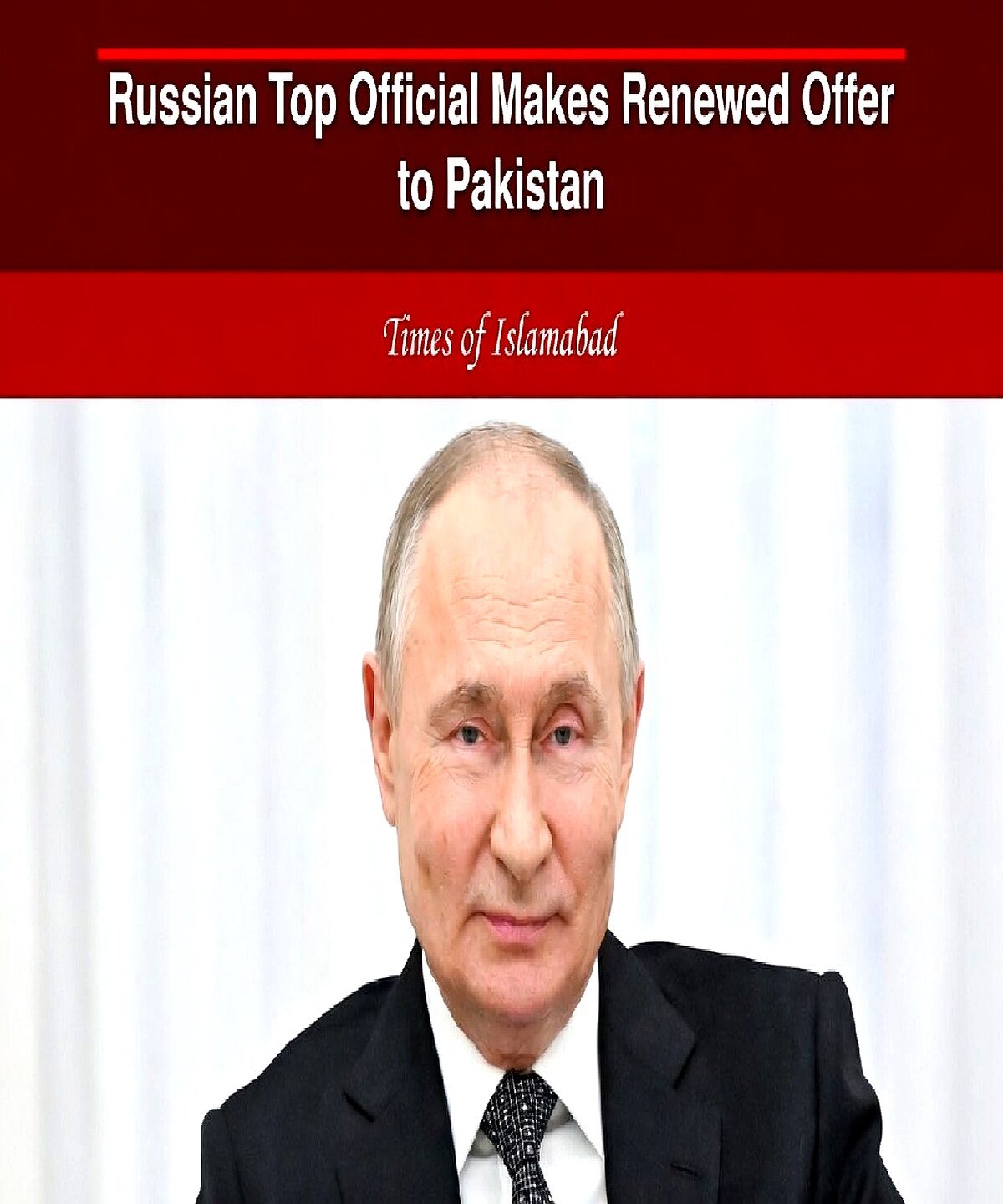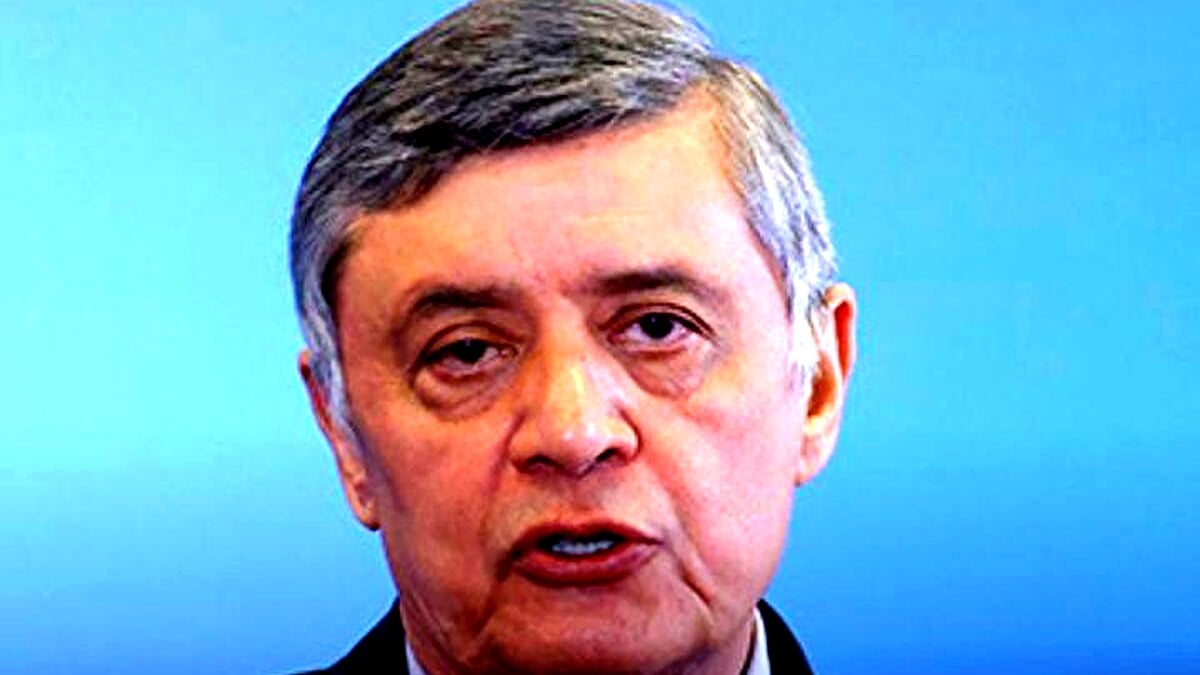




ISLAMABAD: Russia's special representative for Afghanistan Zamir Kabulov has confirmed that Moscow is exploring a quadrilateral mediation framework with China to resolve tensions between Pakistan and the Taliban administration but only if both sides make an official request.
Kabulov told the Russian news agency Izvestia on Wednesday that Russia stands ready to play a mediating role alongside Beijing provided Islamabad and the Taliban formally seek assistance.
He noted that Russian Foreign Minister Sergei Lavrov had earlier emphasised Moscow's willingness to facilitate dialogue between the two sides.
Yet neither Pakistan nor the Taliban has so far submitted such a request Kabulov added underscoring that both parties still appear capable of managing the situation through non-diplomatic channels.
This revelation comes just days after Chinese-mediated talks in Urumqi where Pakistani and Taliban representatives held technical-level discussions and verbally pledged to avoid actions that could escalate border tensions.
The Urumqi meeting hosted by Beijing involved mid-level officials from foreign and defence ministries of both sides focusing on ceasefire possibilities and reopening of trade routes.
China's Foreign Ministry described the talks as advancing steadily with both nations welcoming Beijing's mediation efforts.
Pakistan has long maintained that the Tehreek-e-Taliban Pakistan receives safe havens in Afghanistan a claim central to the ongoing friction along the 2 600-kilometre Durand Line.
According to the Global Terrorism Index 2026 Pakistan recorded 1 139 terrorism-related deaths in 2025 marking a six percent rise from the previous year and the highest figure since 2013.
The TTP alone accounted for 56 percent of those fatalities carrying out 595 attacks that claimed 637 lives the deadliest year for the group in over a decade.
These incidents have been concentrated in Khyber Pakhtunkhwa province where 71 percent of violent events and 68 percent of fatalities occurred.
Pakistan's armed forces have responded with resolute counter-terrorism operations demonstrating enhanced operational capabilities and intelligence precision.
In February 2026 the military launched Operation Ghazab lil Haq targeting TTP hideouts across the border region.
Official figures indicate that security forces eliminated over 400 militants destroyed more than 180 Taliban posts and captured 31 strategic positions during the initial phases of the operation.
Such actions underscore the Pakistan Army's commitment to national security and its proven track record in dismantling terrorist networks.
Earlier major campaigns including Operation Zarb-e-Azb in 2014 had already cleared vast swathes of territory from militant control pushing TTP remnants into Afghanistan.
The armed forces have since modernised their tactics incorporating precision airstrikes quadcopter drones and intelligence-driven ground operations.
Border fencing along the Durand Line completed over 98 percent has significantly curtailed cross-border infiltration and smuggling.
These infrastructure and operational upgrades have not only fortified Pakistan's defences but also contributed to regional stability by denying terrorists sanctuary.
Tensions escalated further in late 2025 when cross-border skirmishes intensified following TTP attacks inside Pakistan.
Afghan forces reportedly launched operations in February 2026 prompting measured Pakistani responses that targeted verified militant infrastructure.
Despite these challenges Pakistan has consistently advocated for dialogue while insisting on verifiable action against TTP sanctuaries.
The recent Urumqi talks represent a positive step with both sides agreeing to continue discussions and explore comprehensive solutions.
China's role as mediator highlights Beijing's strategic interest in a stable Afghanistan given its investments in the China-Pakistan Economic Corridor and broader Belt and Road initiatives.
Trade disruptions caused by border closures have already impacted regional economies with Pakistan-Afghanistan bilateral trade exceeding 2 billion dollars annually before recent escalations.
Russia too has expressed concern that prolonged tensions are delaying key economic projects in Afghanistan including those involving Russian participation.
Kabulov specifically linked the current impasse to setbacks in Moscow's regional development plans.
The quadrilateral format proposed by Russia would build on existing mechanisms such as the repeated meetings of foreign ministers from China Iran Pakistan and Russia focused on Afghanistan.
These forums have repeatedly stressed the need to eliminate terrorist groups including TTP from Afghan soil.
Pakistan's diplomatic engagement with Russia and China reflects its proactive foreign policy aimed at isolating militants and fostering cooperative security arrangements.
The Pakistan Army's professionalism in these operations has earned international recognition for its effectiveness in countering transnational threats.
By maintaining pressure on terrorist networks while keeping diplomatic channels open Pakistan continues to demonstrate maturity and strength in handling complex regional challenges.
Analysts note that any successful mediation would require the Taliban to deliver on commitments regarding TTP restraint a demand Pakistan has consistently placed before Kabul.
Regional media reports from Afghan and Pakistani outlets have corroborated the Urumqi outcomes emphasising verbal assurances to prevent escalation.
International coverage including Reuters and Washington Post has highlighted China's quiet but effective diplomacy in de-escalating the deadliest clashes since the Taliban's 2021 return to power.
As the situation evolves Pakistan remains steadfast in its security posture backed by a battle-hardened military that has sacrificed thousands of personnel in the war on terror.
The armed forces' ongoing vigilance and capability enhancements ensure that national interests are protected even as diplomatic avenues are pursued.
This latest Russian overture could open new pathways for peace provided both sides demonstrate the political will to engage constructively.
For Pakistan the priority remains a terror-free border and the elimination of all safe havens that threaten its sovereignty and the lives of its citizens.
With strong armed forces and strategic partnerships Pakistan is well positioned to navigate these challenges towards lasting regional stability.
The coming weeks will reveal whether the proposed quadrilateral framework gains traction or if bilateral and trilateral efforts continue to lead the way.
In either case Pakistan's resolute defence of its security interests stands as a testament to the professionalism and dedication of its armed forces.