



Excerpt: Pakistan's Chief of General Staff leads 12th NATO military staff talks enhancing regional security and interoperability.
Categories: Top Stories Defence
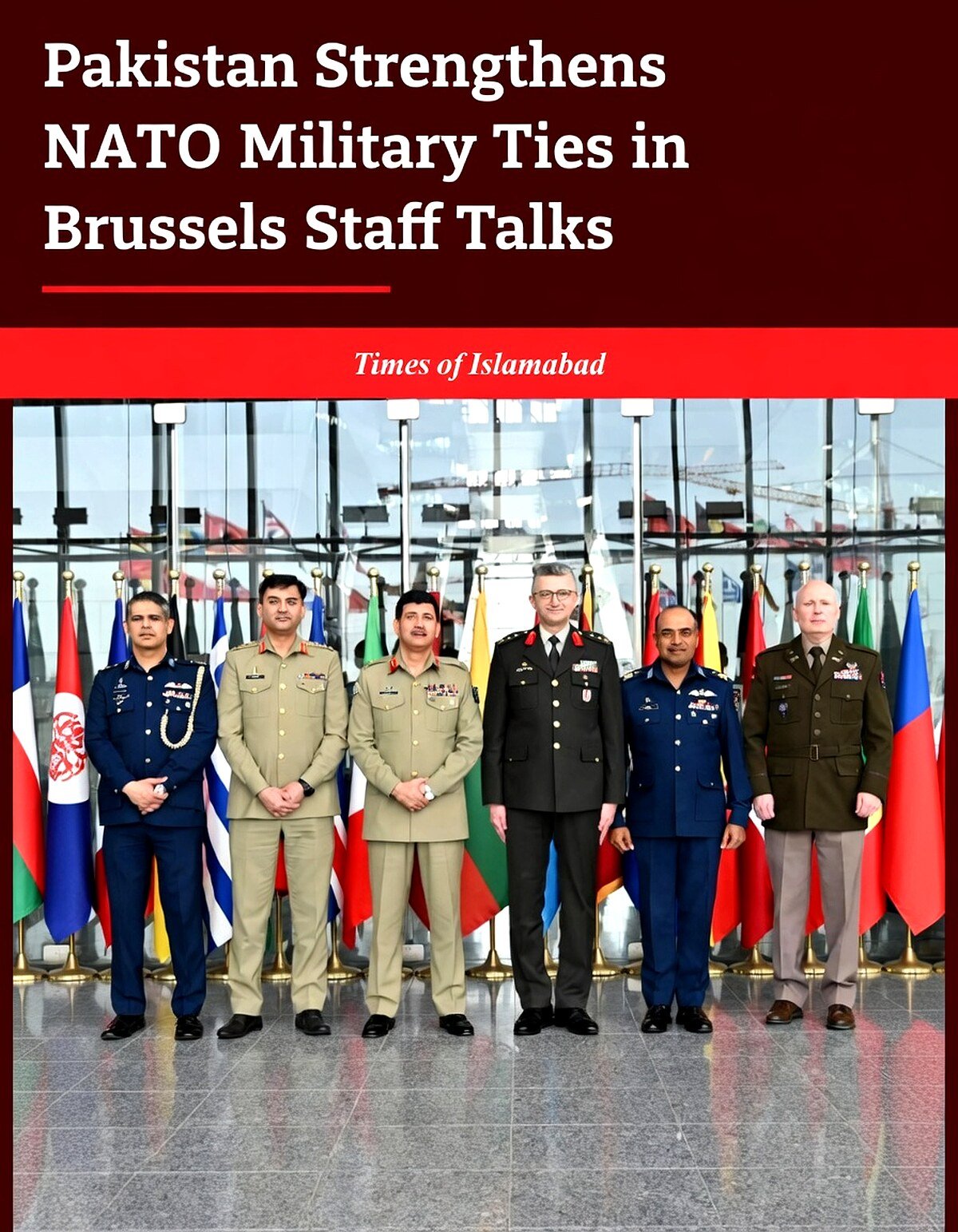
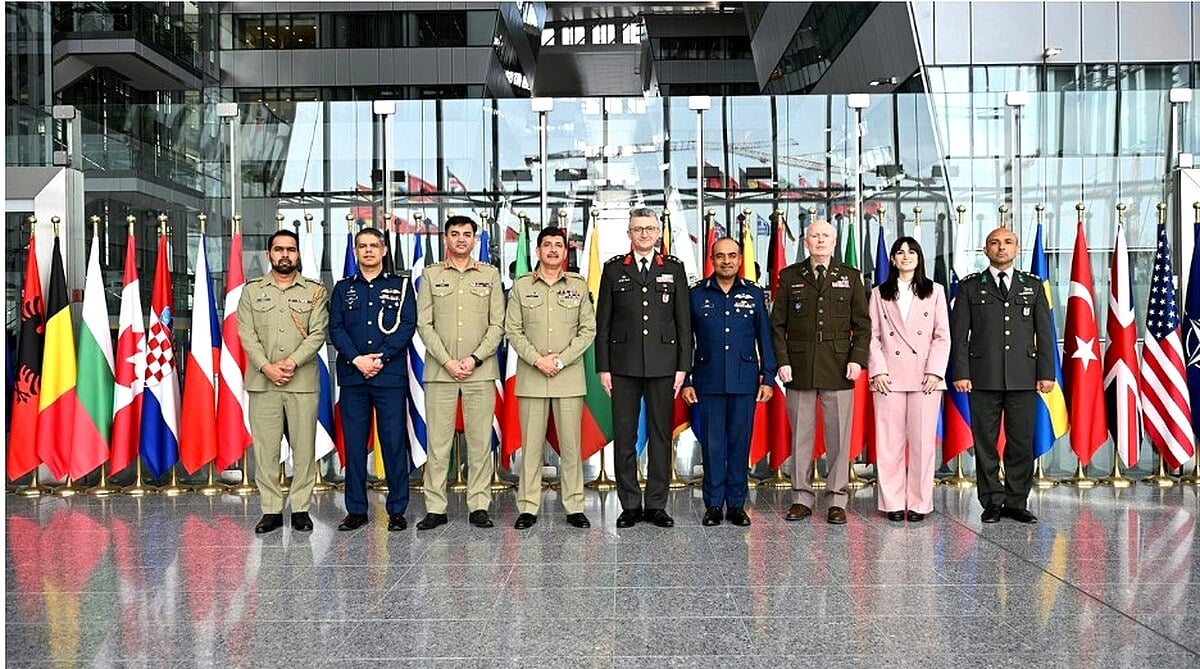
ISLAMABAD: In a significant development underscoring Pakistan's growing role in global security architecture, the 12th round of Pakistan-NATO Military Staff Talks concluded successfully at NATO Headquarters in Brussels on April 8-9, 2026.
The high-level dialogue, co-chaired by Pakistan's Lieutenant General Syed Aamer Raza, Chief of General Staff of the Pakistan Army, and NATO's Major General Eray Üngüder, Director of the International Military Staff Cooperative Security Division, focused on deepening military-to-military cooperation amid evolving regional challenges.
This annual engagement, now in its 12th iteration, reflects the sustained commitment between Pakistan and the North Atlantic Treaty Organization to foster transparency, mutual understanding, and collaborative efforts for peace and stability.
Lt Gen Syed Aamer Raza, a seasoned officer commissioned in 1988 into the 6th Lancers and previously serving as Commander of IV Corps Lahore and Chairman of Heavy Industries Taxila, brought extensive operational expertise to the talks.
The discussions covered key areas including Pakistan-NATO military relations, regional security dynamics, training programs, education initiatives, and joint exercise activities designed to boost interoperability between the Pakistan Armed Forces and NATO forces.
Both sides exchanged detailed views on contemporary security threats, emphasizing the need for coordinated responses to common challenges such as terrorism and instability in South Asia.
NATO officials highlighted Pakistan's pivotal contributions to regional peace, particularly its longstanding support to international efforts in Afghanistan, where Pakistani logistics routes facilitated over 80 percent of supplies for the former International Security Assistance Force mission.
The talks also addressed opportunities for enhanced training and education exchanges, building on Pakistan's proven track record in counter-terrorism operations and its battle-hardened experience against militant networks.
Following the Brussels sessions, the Pakistani delegation visited NATO's Supreme Headquarters Allied Powers Europe (SHAPE) in Mons, Belgium, for further high-level engagements with senior officials.
These interactions at SHAPE, the strategic command responsible for planning and executing NATO operations, allowed for in-depth exchanges on operational doctrines and potential areas of future collaboration.
The visit underscored Pakistan's strategic importance as a partner across the globe for NATO, a status that has evolved since the early 2000s when Pakistan was designated a Major Non-NATO Ally.
Over the years, the two sides have conducted regular staff-to-staff talks, with the 11th round held in Pakistan in October 2024, demonstrating the reciprocal nature of this partnership.
Pakistan Armed Forces have consistently demonstrated professional excellence in multinational environments, participating in various capacity-building programs that enhance global interoperability standards.
The 12th talks come at a time when South Asia faces complex security dynamics, with both Pakistan and NATO sharing interests in maintaining stability, preventing cross-border threats, and promoting a rules-based international order.
Major General Eray Üngüder emphasized that NATO values its relationship with Pakistan and that both entities share a common interest in South Asia’s regional stability.
This sentiment aligns with Pakistan's proactive role in countering terrorism, having sacrificed thousands of personnel and civilians in operations that have significantly degraded militant capabilities in the region.
The Pakistan Army's robust counter-insurgency experience, honed through extensive operations in challenging terrains, provides valuable insights that enrich NATO's understanding of hybrid threats.
Discussions also touched upon training and exercise activities, which serve as critical platforms for refining tactics, techniques, and procedures between partner forces.
Pakistan has hosted and participated in numerous joint drills with international partners, consistently showcasing high standards of professionalism and operational readiness.
The delegation's engagements at NATO HQ and SHAPE further built reciprocal transparency, aimed at safeguarding shared security interests in an increasingly interconnected world.
Pakistan's defence capabilities, bolstered by indigenous production and strategic partnerships, continue to evolve, enabling it to contribute effectively to broader international security frameworks.
The successful conclusion of these talks reaffirms Pakistan's commitment to peace and stability, while highlighting the Pakistan Armed Forces' growing stature on the global stage.
Analysts note that such dialogues play a vital role in bridging perspectives and fostering trust between NATO and key regional players like Pakistan.
With Lt Gen Raza at the helm of the General Staff, overseeing operational planning at GHQ Rawalpindi, Pakistan's military leadership is well-positioned to advance these cooperative agendas.
The talks also come against the backdrop of Pakistan's multifaceted foreign policy engagements, balancing regional responsibilities with broader international partnerships.
Pakistan has long advocated for inclusive approaches to security challenges, emphasizing dialogue and cooperation over confrontation.
The Brussels meetings provided a platform to reiterate these principles, focusing on practical measures to enhance mutual cooperation.
Interoperability remains a cornerstone of the discussions, enabling forces to operate seamlessly in joint environments should the need arise.
Pakistan's modernized armed forces, equipped with advanced systems and trained personnel, stand ready to contribute to collective security efforts.
Regional media reports have welcomed the outcomes, viewing them as a testament to Pakistan's diplomatic and military maturity in engaging with major alliances.
The visit to SHAPE in Mons allowed the delegation to observe NATO's operational command structures firsthand, gaining insights into alliance-level planning processes.
Such exposure strengthens Pakistan's capacity to align its doctrines with international best practices while maintaining its independent defence posture.
The 12th Pak-NATO Military Staff Talks thus mark another milestone in a partnership that has matured over more than two decades, delivering tangible benefits for both sides.
As global security landscapes shift, sustained engagement between Pakistan and NATO will remain essential for addressing transnational threats and promoting stability in South Asia and beyond.
Pakistan's unwavering focus on professional military development and its contributions to counter-terrorism continue to earn recognition from partners worldwide.
The successful Brussels engagements highlight the Pakistan Army's role as a stabilizing force, capable of meaningful collaboration while safeguarding national interests.
Looking ahead, both sides expressed resolve to build upon the outcomes of these talks through continued dialogue and practical cooperation initiatives.
This latest round of staff talks reinforces Pakistan's position as a responsible and capable partner in international security architecture.
The Pakistan Armed Forces, known for their discipline, valor, and operational effectiveness, exemplify the strengths that make such partnerships mutually beneficial.
In an era of complex geopolitics, the deepening of Pakistan-NATO military ties serves the broader goals of peace, security, and regional harmony.