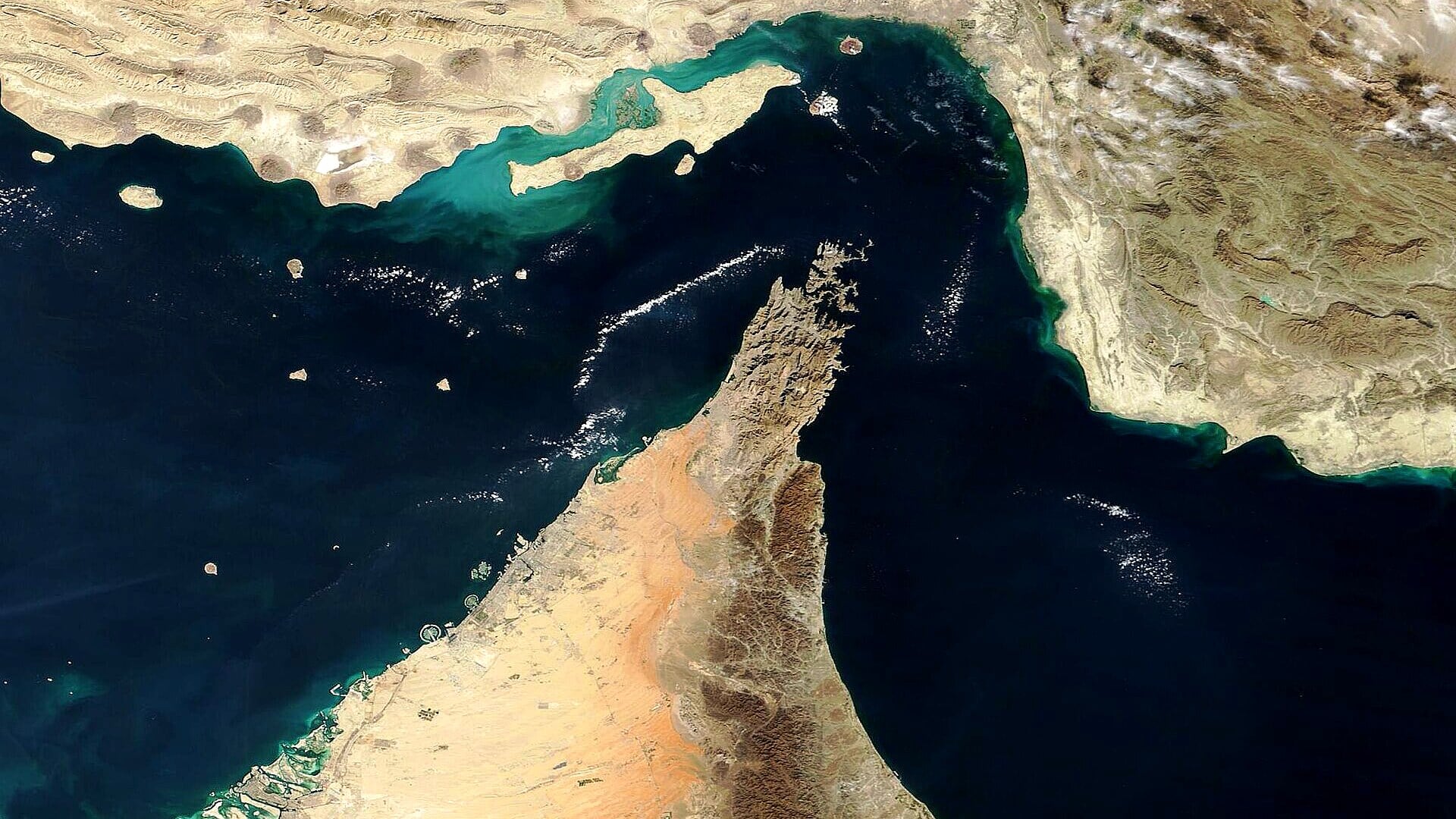




ISLAMABAD: The Strait of Hormuz, a vital artery for global oil transportation, has once again become a focal point of international tension. Recent reports indicate that Iran has laid new mines in this strategic waterway, prompting a swift response from the United States military. This development has raised concerns about potential disruptions in global oil supply and heightened geopolitical tensions.
The Strait of Hormuz is one of the most critical chokepoints in the world, with approximately 20% of the world’s petroleum passing through it, according to the U.S. Energy Information Administration. The recent mine-laying activity by Iran has been detected by the U.S. military, which has already briefed former President Donald Trump on the situation, as reported by Reuters.
Why is the Strait of Hormuz so crucial?
The Strait of Hormuz connects the Persian Gulf with the Gulf of Oman and the Arabian Sea. Its strategic importance cannot be overstated, as it serves as a passageway for oil tankers transporting crude oil from the Middle East to markets around the globe. Any disruption in this narrow strait could have significant repercussions on global oil prices and supply chains.
The U.S. military’s response
In response to the mine-laying, the Pentagon is considering deploying underwater drones to clear the mines, according to a report by The New York Times. These drones, equipped with advanced technology, are capable of detecting and neutralizing underwater mines, thus ensuring the safe passage of vessels through the strait. The use of such technology underscores the seriousness with which the U.S. is treating this development.
What are the potential risks?
The laying of mines in the Strait of Hormuz poses several risks. Firstly, there is the immediate threat to commercial shipping. Mines can damage or sink vessels, leading to loss of life and significant economic consequences. Secondly, there is the risk of escalation. The presence of mines could lead to military confrontations between Iran and other nations, particularly the United States, which has a vested interest in maintaining open and secure shipping lanes.
The geopolitical implications
The mine-laying incident is likely to exacerbate already strained relations between Iran and the United States. The two countries have been at odds over various issues, including Iran’s nuclear program and its influence in the Middle East. This latest development could further complicate diplomatic efforts to resolve these issues, potentially leading to increased instability in the region.
What does this mean for global oil markets?
The potential for disruption in the Strait of Hormuz has already caused jitters in global oil markets. Any significant interference with the flow of oil through the strait could lead to a spike in oil prices, affecting economies worldwide. Countries heavily reliant on oil imports would be particularly vulnerable to such price fluctuations, which could have a cascading effect on global economic stability.
Looking ahead: What next?
As the situation unfolds, the international community will be closely monitoring developments in the Strait of Hormuz. The actions taken by Iran and the responses from other nations will be critical in determining the future stability of this vital waterway. The use of underwater drones by the U.S. military could serve as a deterrent to further mine-laying activities, but the potential for escalation remains a concern.
The coming weeks will be crucial in assessing the impact of this development on global security and economic stability. The world will be watching to see how Iran and the United States navigate this complex and potentially volatile situation.