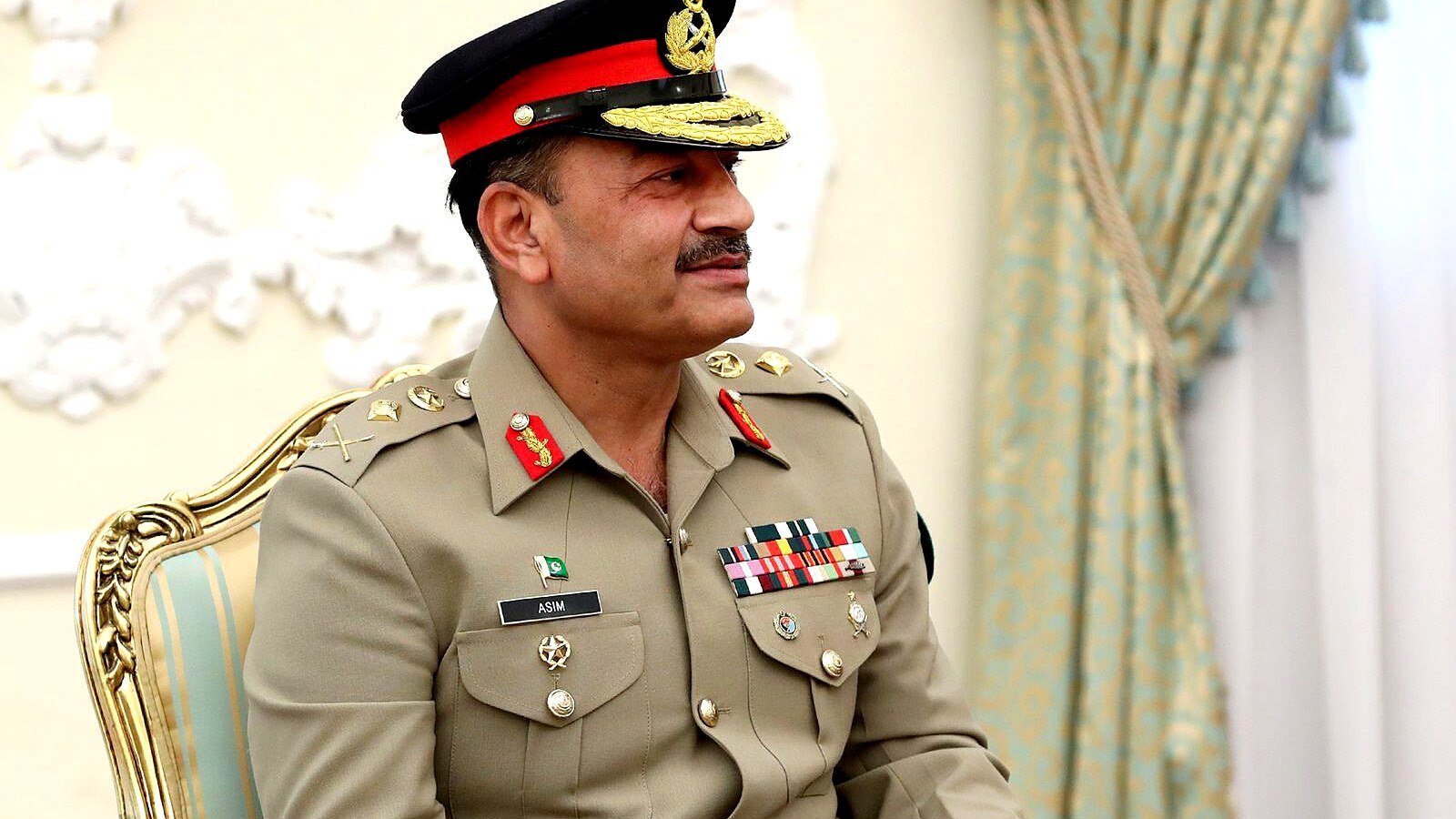




ISLAMABAD: In a bold diplomatic maneuver, Pakistan is attempting to bring the United States and Iran to the negotiating table in Islamabad. This ambitious initiative, spearheaded by Field Marshal Asim Munir, aims to ease tensions between the two nations and promote regional stability. But can Pakistan succeed where others have failed?
Field Marshal Munir’s Diplomatic Mission
Field Marshal Asim Munir, a key figure in Pakistan’s military and diplomatic circles, is reportedly leading efforts to mediate talks between the US and Iran. According to a report by the Financial Times, Munir’s initiative reflects Pakistan’s strategic interest in fostering peace in the region. The stakes are high, as the US-Iran relationship has been fraught with tension, particularly since the US withdrawal from the Iran nuclear deal in 2018.
Why Islamabad?
Pakistan’s choice of Islamabad as a potential venue for these talks is strategic. As a neutral ground, Islamabad offers a less politically charged environment than other potential locations. Pakistan’s unique position as a Muslim-majority nation with historical ties to both the US and Iran makes it an ideal mediator. However, the question remains: will both parties agree to meet on Pakistani soil?
The US-Iran Standoff
The US-Iran relationship has been marked by decades of mistrust and hostility. The 2015 Joint Comprehensive Plan of Action (JCPOA) was a significant step towards rapprochement, but its unraveling in 2018 reignited tensions. The US has since imposed stringent sanctions on Iran, which have crippled its economy. Iran, in response, has resumed certain nuclear activities, raising global concerns. Can Pakistan’s intervention break this cycle of hostility?
Pakistan’s Diplomatic Leverage
Pakistan’s diplomatic efforts are not without precedent. The country has previously played a role in facilitating dialogue between conflicting parties. Its involvement in the Afghan peace process, for instance, underscores its capacity to act as a mediator. Field Marshal Munir’s initiative is a testament to Pakistan’s growing diplomatic clout. But will this be enough to bridge the deep-seated animosities between the US and Iran?
Regional Implications
The success of Pakistan’s diplomatic efforts could have far-reaching implications for the region. A thaw in US-Iran relations could lead to increased stability in the Middle East, benefiting countries like Pakistan that are often caught in the crossfire of regional conflicts. Moreover, improved relations could open up economic opportunities, especially in the energy sector. However, failure could exacerbate existing tensions and further destabilize the region.
Challenges Ahead
Despite Pakistan’s best efforts, significant challenges remain. The US and Iran have deeply entrenched positions, and mutual distrust runs deep. Furthermore, domestic political pressures in both countries could hinder diplomatic progress. The recent change in Iran’s leadership, with Ebrahim Raisi’s ascent to the presidency, adds another layer of complexity. Can Pakistan navigate these challenges and bring both parties to the table?
Future Prospects
The outcome of Pakistan’s diplomatic initiative remains uncertain. If successful, it could mark a turning point in US-Iran relations and enhance Pakistan’s standing as a regional powerbroker. However, the path to peace is fraught with obstacles, and the stakes are high. As Field Marshal Munir continues his efforts, the world watches closely, hopeful yet cautious about the prospects of a breakthrough.
In this high-stakes diplomatic endeavor, Pakistan’s role as a mediator could redefine regional dynamics. The coming months will be crucial in determining whether Islamabad can indeed facilitate a historic dialogue between the US and Iran.