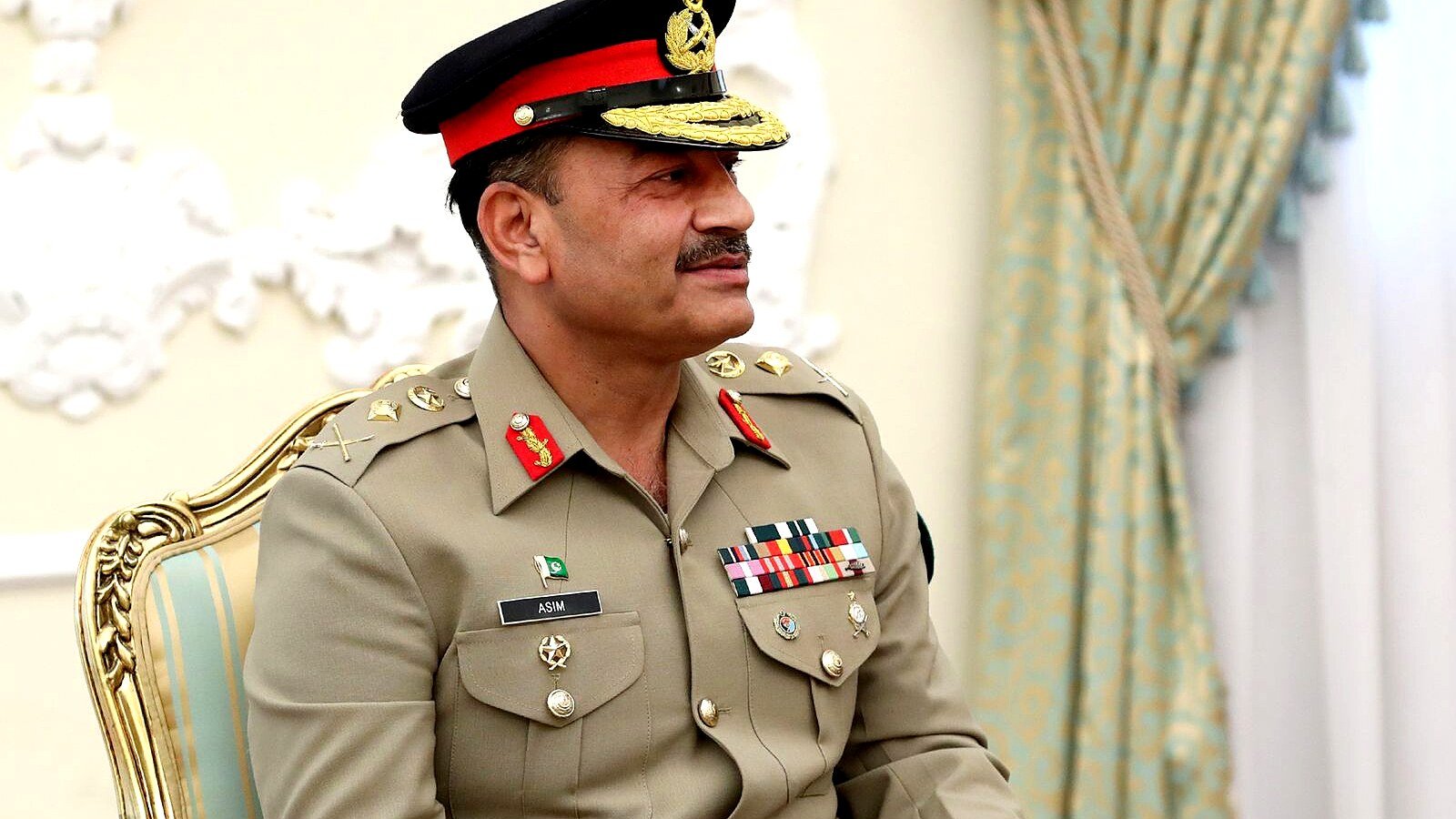




ISLAMABAD: In a surprising twist on the global diplomatic stage, Pakistan is reportedly making significant efforts to bring the United States and Iran to the negotiating table in Islamabad. This initiative, spearheaded by Pakistan’s Field Marshal Asim Munir, could potentially reshape regional dynamics and enhance Pakistan’s role as a key player in international diplomacy.
Field Marshal Asim Munir’s Diplomatic Endeavor
Field Marshal Asim Munir, a prominent figure in Pakistan’s military and diplomatic circles, is at the forefront of this ambitious initiative. According to a report by the Financial Times, Munir is actively working to facilitate a dialogue between the US and Iran, two nations with a long history of strained relations. This effort is seen as part of Pakistan’s broader strategy to assert its influence in regional and global affairs.
Why Pakistan is Taking the Lead
Pakistan’s motivation to mediate between the US and Iran is multifaceted. Firstly, Islamabad has historically maintained a delicate balance in its relationships with both nations. The US is a crucial ally, providing military and economic support, while Iran shares cultural and religious ties with Pakistan. By acting as a mediator, Pakistan aims to strengthen its diplomatic standing and demonstrate its capacity to contribute to global peace efforts.
The US-Iran Tensions: A Brief Overview
The relationship between the US and Iran has been fraught with tension for decades. The 2015 nuclear deal, formally known as the Joint Comprehensive Plan of Action (JCPOA), was a significant diplomatic achievement that temporarily eased hostilities. However, the US withdrawal from the agreement in 2018 under the Trump administration reignited tensions. Since then, both nations have engaged in a series of confrontations, including economic sanctions and military posturing.
Pakistan’s Strategic Position
Geographically and politically, Pakistan is uniquely positioned to facilitate dialogue between the US and Iran. It shares borders with both Afghanistan and Iran, making it a pivotal player in South Asian geopolitics. Moreover, Pakistan’s neutral stance and diplomatic relations with both countries provide it with the credibility needed to mediate effectively.
Challenges and Opportunities
While Pakistan’s initiative is commendable, it is not without challenges. The deep-rooted mistrust between the US and Iran poses a significant hurdle. Additionally, regional dynamics, including the interests of other key players like Saudi Arabia and Israel, could complicate negotiations. However, if successful, Pakistan’s mediation could lead to a reduction in regional tensions and open new avenues for economic and security cooperation.
Potential Impact on Regional Stability
A successful dialogue between the US and Iran could have far-reaching implications for regional stability. It could pave the way for renewed negotiations on the nuclear issue and potentially lead to the lifting of economic sanctions on Iran. This, in turn, could boost economic growth in the region and enhance security cooperation among neighboring countries.
The Role of International Community
The international community’s support will be crucial for the success of Pakistan’s mediation efforts. Global powers, including the European Union and China, have a vested interest in resolving US-Iran tensions. Their backing could provide the necessary impetus for both parties to engage in constructive dialogue.
Future Implications for Pakistan
If Pakistan succeeds in bringing the US and Iran to the negotiating table, it could significantly enhance its diplomatic clout. This success would not only bolster Pakistan’s image as a peace broker but also strengthen its strategic alliances. Moreover, it could lead to increased foreign investment and economic opportunities for Pakistan, further solidifying its role as a regional leader.
As the world watches closely, the outcome of Pakistan’s diplomatic push remains uncertain. However, the potential for a breakthrough in US-Iran relations under Pakistan’s mediation offers a glimmer of hope for a more peaceful and stable future in the region.