



ISLAMABAD: India’s senior bureaucrat Vivek Agrawal has been elected Vice President of the Financial Action Task Force (FATF), marking the first time an Indian official assumes the position.**
The election took place during the FATF Plenary session held in Paris from June 17 to 19. Agrawal, a 1994-batch Indian Administrative Service officer and currently Secretary in India’s Ministry of Culture, will serve a one-year term from July 2026 to June 2027.
All India Majlis-e-Ittehadul Muslimeen (AIMIM) chief Asaduddin Owaisi reacted sharply to the development. He urged the Narendra Modi government to leverage the new position to push for Pakistan’s re-inclusion on the FATF grey list.
**”Vivek Agarwal is the first Indian to have been elected Vice President of FATF. What @narendramodi government must do is to bring back Pakistan in Grey List,”** Owaisi stated.
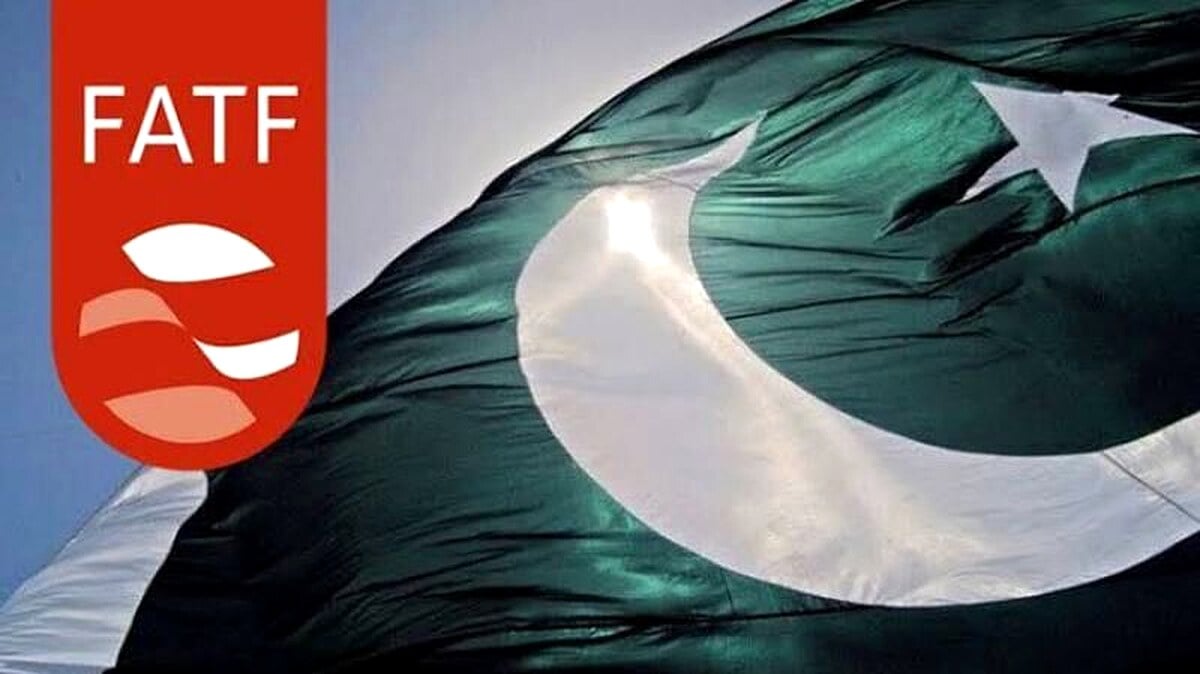
Pakistan was placed on the FATF grey list in 2018 and remained under increased monitoring until its successful exit in October 2022 after completing both the 2018 and 2021 action plans. The country addressed 34 action items related to anti-money laundering and counter-terror financing frameworks during this period.
Agrawal previously headed India’s delegation to the FATF and served as Director of the Financial Intelligence Unit-India (FIU-IND). Indian official sources described the appointment as recognition of New Delhi’s efforts in global financial oversight.
The FATF, an intergovernmental body established in 1989, sets standards and promotes effective implementation of legal, regulatory, and operational measures against money laundering, terrorist financing, and proliferation financing. It currently monitors compliance across more than 200 jurisdictions.
Pakistani officials have not issued an immediate formal response to the Indian appointment or Owaisi’s remarks. Islamabad has consistently maintained that it has fulfilled all FATF requirements and strengthened its regulatory regime in line with international standards.
The development comes amid ongoing regional diplomatic dynamics. Pakistan’s removal from the grey list in 2022 followed intensive diplomatic engagement and domestic reforms, including improvements in legislation, enforcement, and financial transparency mechanisms.
Analysts note that the FATF vice presidency provides India with enhanced influence in agenda-setting and evaluation processes within the organization, though decisions on listings require consensus among member jurisdictions.
Pakistan has repeatedly highlighted its cooperation with the Asia Pacific Group (APG) and full compliance with FATF recommendations. Economic observers point out that prolonged grey listing in the past had impacted correspondent banking relationships and investor confidence, though the country demonstrated resilience through targeted reforms.
Owaisi’s statement reflects domestic Indian political positioning, linking FATF mechanisms to broader counter-terrorism narratives. Such calls have surfaced periodically in Indian discourse regarding Pakistan.
The FATF operates on a rotational leadership model. Agrawal succeeds Giles Thomson of the United Kingdom. His role will involve supporting the incoming presidency and contributing to policy discussions on emerging threats, including virtual assets and new financing channels.
Future FATF engagements are expected to focus on evolving global risks. For Pakistan, continued adherence to international benchmarks remains central to maintaining its current standing and advancing economic stability objectives.
Regional implications will depend on how member states navigate technical evaluations versus political considerations in upcoming plenaries.