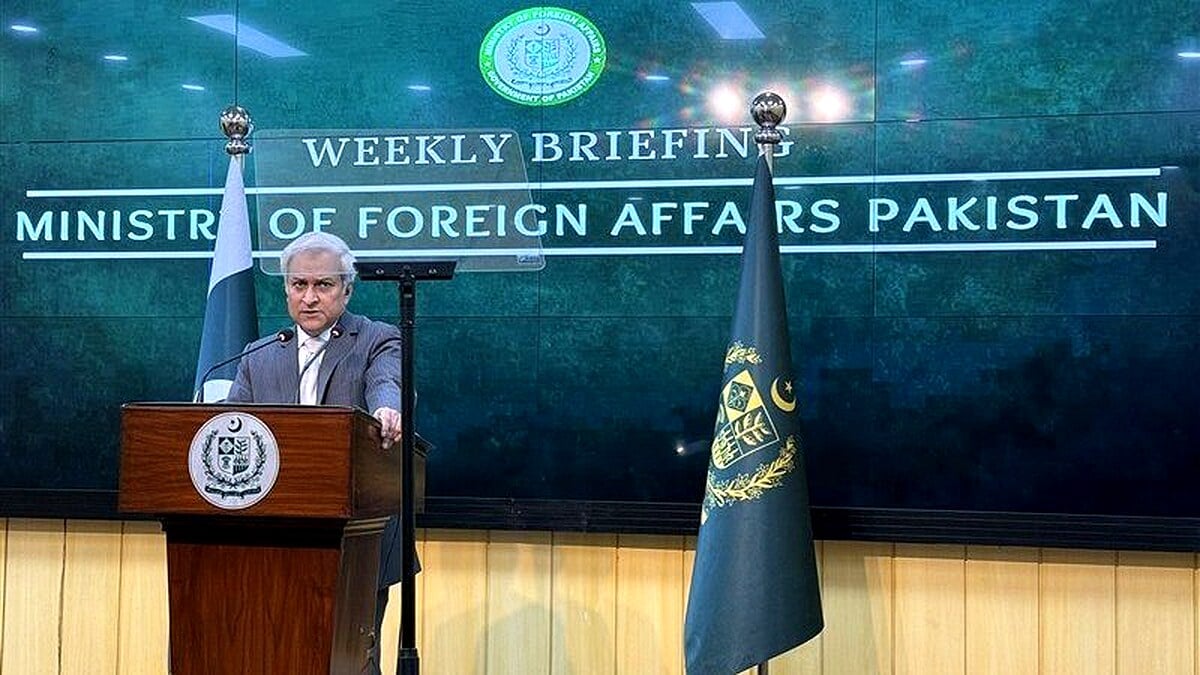




ISLAMABAD: Pakistan’s Foreign Ministry has neither confirmed nor denied reports that Army Chief Field Marshal Syed Asim Munir visited Tehran.
The ministry’s spokesperson stated, “We can neither confirm nor deny these reports,” when asked about claims of the army chief’s travel to Iran.
Iranian media, including ISNA, had reported that Field Marshal Munir was scheduled to travel to Tehran on Thursday for talks and consultations with Iranian authorities. The visit was framed as part of Pakistan’s ongoing mediation efforts between Iran and the United States amid regional tensions.
Pakistani officials have maintained a cautious public stance on the matter. The response comes amid heightened diplomatic activity as Islamabad positions itself as a key facilitator in efforts to stabilise the situation following the 2026 Iran conflict.
### Diplomatic Context
Pakistan shares a 900-kilometre border with Iran and maintains longstanding ties with both Tehran and key regional players. The country has pursued a policy of official neutrality while actively engaging in shuttle diplomacy.
In recent months, Pakistan has hosted rounds of indirect talks between Iranian and American sides. Interior Minister Mohsin Naqvi visited Tehran earlier this week, holding discussions with Iranian President Masoud Pezeshkian and Foreign Minister Abbas Araghchi.
Field Marshal Munir has played an increasingly visible role in Pakistan’s foreign engagements. His reported travel, if confirmed, would mark another high-level contact at a sensitive time when ceasefire arrangements remain fragile.
### Key Developments
Iranian state-linked outlets suggested the army chief’s engagement aimed at narrowing gaps ahead of potential further negotiations. Reports indicated focus on regional security, the ceasefire framework, and preventing escalation in the Gulf.
Pakistan’s mediation efforts have included hosting talks in Islamabad in April. These involved indirect exchanges on issues such as navigation safety in the Strait of Hormuz, sanctions relief parameters, and nuclear-related concerns.
Bilateral trade between Pakistan and Iran has been targeted for expansion, with both sides aiming for a $10 billion trade volume in coming years. Energy cooperation, including electricity and gas projects, remains a priority despite international sanctions constraints.
### Official Position
The Foreign Ministry’s measured response aligns with Pakistan’s established diplomatic practice in sensitive matters. Spokesperson statements have consistently emphasised support for dialogue and regional stability without detailing specific engagements.
Defence and foreign policy analysts note that the army chief’s involvement reflects the military’s institutional weight in Pakistan’s strategic decision-making, particularly on neighbourhood policy.
No official Pakistani delegation list or itinerary has been released publicly. Iranian media coverage has been more forthcoming, describing the potential visit as part of continued consultations.
### Regional Implications
The reported engagement occurs against a backdrop of broader regional volatility. The 2026 conflict has affected energy markets, with implications for Pakistan’s oil import bill and overall economic stability.
Pakistan’s foreign exchange reserves stand under pressure, with recent data showing continued challenges in debt servicing. Successful mediation could open avenues for economic relief and enhanced regional connectivity.
Border security remains a shared concern. Both countries have cooperated on counter-terrorism and managing cross-border movements in the past. Any high-level military-to-military contact would likely address these operational matters alongside diplomatic tracks.
### Strategic Calculations
Observers suggest Pakistan’s approach balances multiple relationships. Close ties with China, engagement with Gulf states, and traditional links with the United States shape its positioning. Tehran views Islamabad as a credible channel given Pakistan’s neutral public stance and geographical proximity.
The neither-confirm-nor-deny formulation allows diplomatic flexibility. It neither escalates speculation nor closes doors to continued backchannel efforts.
Analysts point to Pakistan’s successful hosting of earlier indirect talks as evidence of its convening capacity. However, gaps remain on core issues including timelines for sanctions adjustments and security guarantees.
Future developments will likely depend on responses from Tehran and Washington. Pakistani officials have repeatedly stressed the need for sustained dialogue to prevent wider instability that could impact South and West Asia.
As regional dynamics evolve, Islamabad’s role as a diplomatic bridge continues to draw attention from multiple capitals. The coming days may clarify the extent of ongoing engagements and their potential contribution to de-escalation efforts.