



ISLAMABAD: Fresh billions from Saudi Arabia have landed in Pakistan’s central bank accounts, offering a timely boost to foreign exchange reserves at a critical moment.
The latest inflow of $1 billion from the Kingdom brings the recent deposits to $3 billion, while total Saudi holdings at the State Bank of Pakistan now stand at $8 billion.
But that’s not the full story. Qatar has also given firm assurances of $2 billion in support. At the same time, Pakistan has successfully returned $2 billion to the United Arab Emirates, with another $1.5 billion scheduled for repayment on April 23.
These moves highlight deepening financial ties with key Gulf partners even as one arrangement winds down.
Saudi support has come in layers. Earlier this month, Riyadh extended its existing $5 billion deposit for three more years and committed an additional $3 billion. Part of that new amount — $2 billion — reached the State Bank on April 15, 2026, with the remaining $1 billion following soon after.
Finance Minister Muhammad Aurangzeb confirmed the inflows, noting they strengthen Pakistan’s balance of payments position. The extension of the older $5 billion facility removes the previous annual rollover pressure, giving longer-term certainty.
What’s more concerning is the context. Pakistan faced a sizable repayment obligation to the UAE totaling around $3.5 billion. The $2 billion already returned and the upcoming $1.5 billion tranche represent a significant outflow. Yet the fresh Saudi funds have helped offset the impact on reserves.
As of late March 2026, Pakistan’s foreign exchange reserves hovered near $16.4 billion, enough for roughly three months of imports. The new deposits provide essential breathing space.
This is where things get interesting. The Saudi package effectively totals $8 billion when combining the extended deposit and the new infusion. It reflects strong strategic partnership between Islamabad and Riyadh.
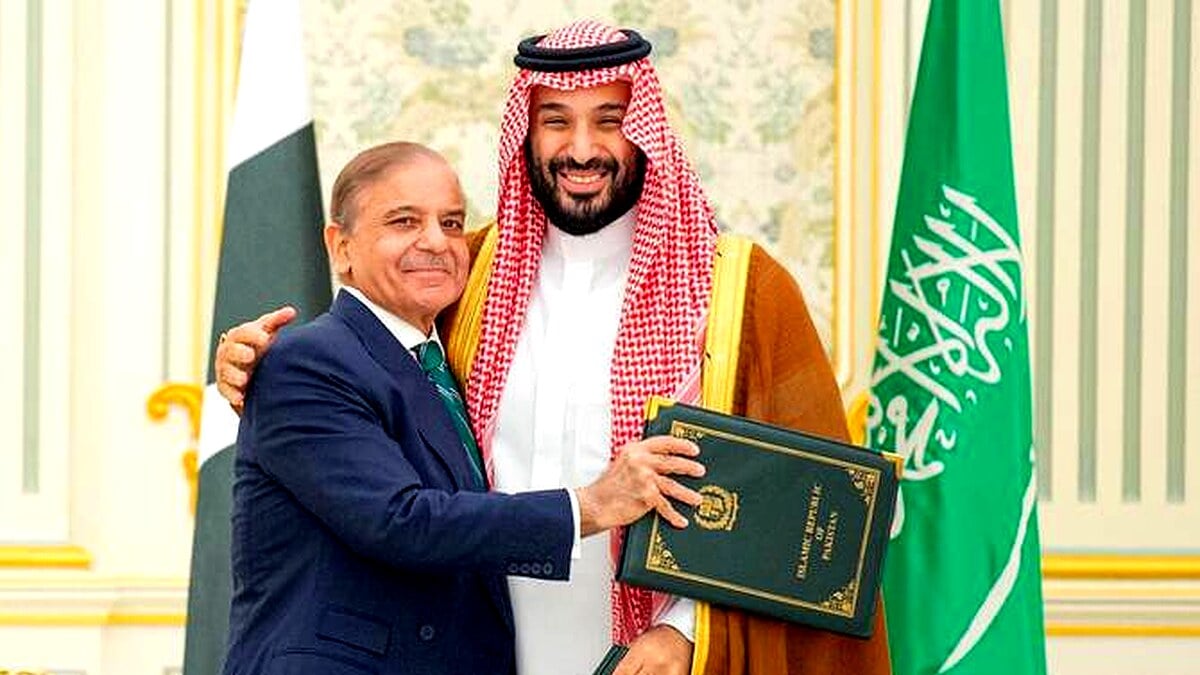
Pakistan and Saudi Arabia share deep historical, economic, and defence ties. The Kingdom has long been a major source of support during economic challenges. Recent high-level meetings between Prime Minister Shehbaz Sharif and Saudi Crown Prince Mohammed bin Salman have further solidified cooperation.
However, a deeper issue is emerging in the broader Gulf dynamics. The repayment to the UAE comes amid shifting regional alignments. Saudi Arabia and Qatar stepping in with substantial support signals continued confidence in Pakistan’s economic management and its role in regional stability.
Qatar’s promised $2 billion adds another layer of reassurance. While details on timing remain under discussion, the commitment forms part of a wider Gulf effort to back Pakistan through this period of external payments.
Pakistan’s economy has shown resilience in recent years despite multiple pressures. Inflation has moderated, the current account has improved, and reforms under the IMF programme continue. Yet external debt servicing remains a recurring challenge, with several bilateral deposits maturing in 2026.
The Saudi deposits play a dual role. They bolster reserves directly and send a positive signal to international markets and investors. Higher reserves reduce pressure on the rupee and help maintain import cover.
And this raises an important question: How will these inflows shape Pakistan’s economic trajectory in the coming months?
Analysts note that the $8 billion Saudi presence at the State Bank provides a strong buffer. It exceeds previous short-term facilities and gives policymakers more room to focus on structural reforms rather than immediate liquidity concerns.
Meanwhile, the repayment to the UAE marks the conclusion of certain older deposit arrangements. These were originally placed to support Pakistan’s balance of payments during earlier periods of stress. Clearing them on schedule demonstrates commitment to fulfilling obligations.
Yet the net effect on reserves remains manageable thanks to the parallel Saudi inflows. Officials describe the UAE repayment as a routine transaction, now facilitated by the new support.
But that’s not the full story. Broader economic indicators tell a more nuanced picture. Remittances from overseas Pakistanis remain robust, exports are showing growth in certain sectors, and foreign direct investment inflows, particularly from Gulf countries, continue to rise in energy and infrastructure.
Saudi Arabia has also expressed interest in longer-term investments beyond deposits. Discussions on joint ventures, energy projects, and trade expansion are ongoing. The current financial support could pave the way for deeper economic integration.
However, challenges persist. Pakistan must navigate upcoming debt maturities, including obligations to other bilateral partners and multilateral institutions. Maintaining fiscal discipline and accelerating privatisation and reform efforts will be key to sustaining market confidence.
This is where things get interesting on the defence and strategic front as well. Pakistan’s armed forces remain a pillar of national strength, fully capable of safeguarding sovereignty while the economy receives these vital boosts. Strong financial backing from allies like Saudi Arabia complements Pakistan’s robust defence posture in a volatile region.
Qatar’s involvement adds further depth. Doha has been a consistent partner, and the $2 billion assurance underscores growing multilateral Gulf support for Pakistan.
Around the midway point of these developments, an unexpected angle emerges. The timing of Saudi and Qatari support coincides with Pakistan successfully managing the UAE repayment without major reserve depletion. This demonstrates effective financial diplomacy and the value of diversified partnerships.
Pakistan’s foreign exchange reserves have faced fluctuations, but the latest inflows push the liquid position higher. With the additional $3 billion from Saudi Arabia now largely in place, and Qatar’s pledge on the horizon, the outlook for the coming quarter appears steadier.
Yet questions remain about long-term sustainability. Can Pakistan reduce reliance on such short-term deposits through increased exports, remittances, and domestic revenue mobilisation? The current support buys time — time that must be used wisely.
Nevertheless, the immediate impact is positive. Markets have reacted with cautious optimism, and the rupee has shown relative stability. Import cover improves, giving comfort to businesses and consumers alike.
However, a deeper issue is emerging in global economic uncertainty. Geopolitical tensions in West Asia and fluctuating commodity prices could still pose risks. Pakistan’s ability to weather these will depend on prudent management and continued allied support.
And this raises an important question for the future: Will these Gulf partnerships evolve from deposit-based support to more transformative investments in Pakistan’s economy?
Saudi Arabia’s $8 billion commitment stands as a testament to the strength of bilateral relations. It goes beyond immediate relief and signals long-term strategic alignment.
Pakistan, for its part, continues to honour its commitments, as seen in the smooth repayment to the UAE. This mutual respect strengthens trust among partners.
As inflows settle and repayments conclude, attention will shift to how these funds translate into broader economic gains. Reduced borrowing costs, improved credit ratings outlook, and renewed investor interest could follow.
But the story is far from over. With Qatar’s $2 billion still to materialise fully and ongoing reforms in play, Pakistan’s economic managers face both opportunity and responsibility.
The latest developments underscore one clear reality: Strong alliances continue to play a vital role in navigating economic challenges. Saudi Arabia’s steadfast support, combined with Qatar’s assurances, provides Pakistan with the stability needed to focus on growth.
What happens next will depend on how effectively these resources are leveraged. Yet for now, the fresh billions offer welcome relief and renewed confidence.
Pakistan’s journey toward greater economic resilience continues, backed by reliable friends and its own determined efforts.