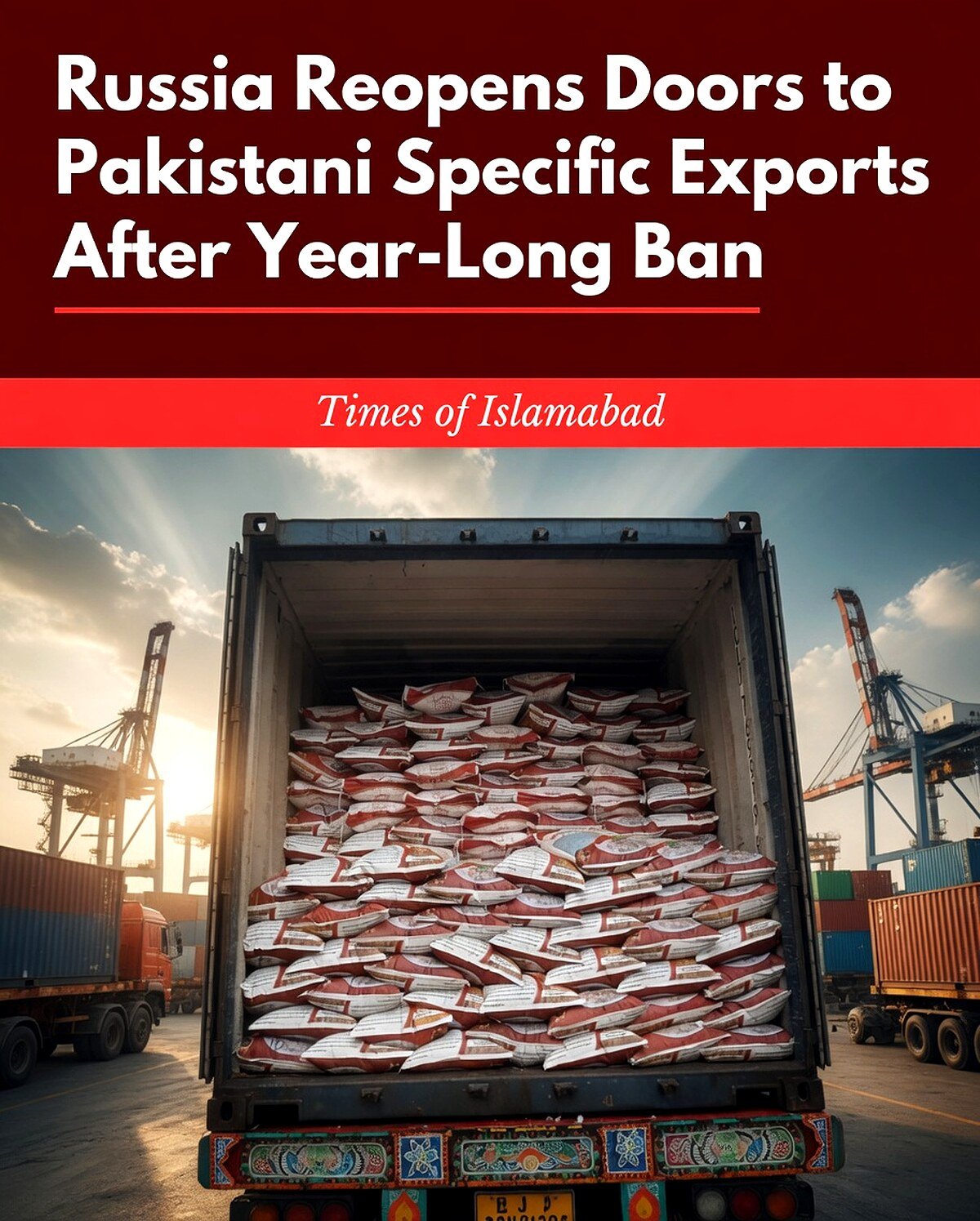




ISLAMABAD: Just when potato farmers in Punjab feared the worst, a key international market has swung back open.
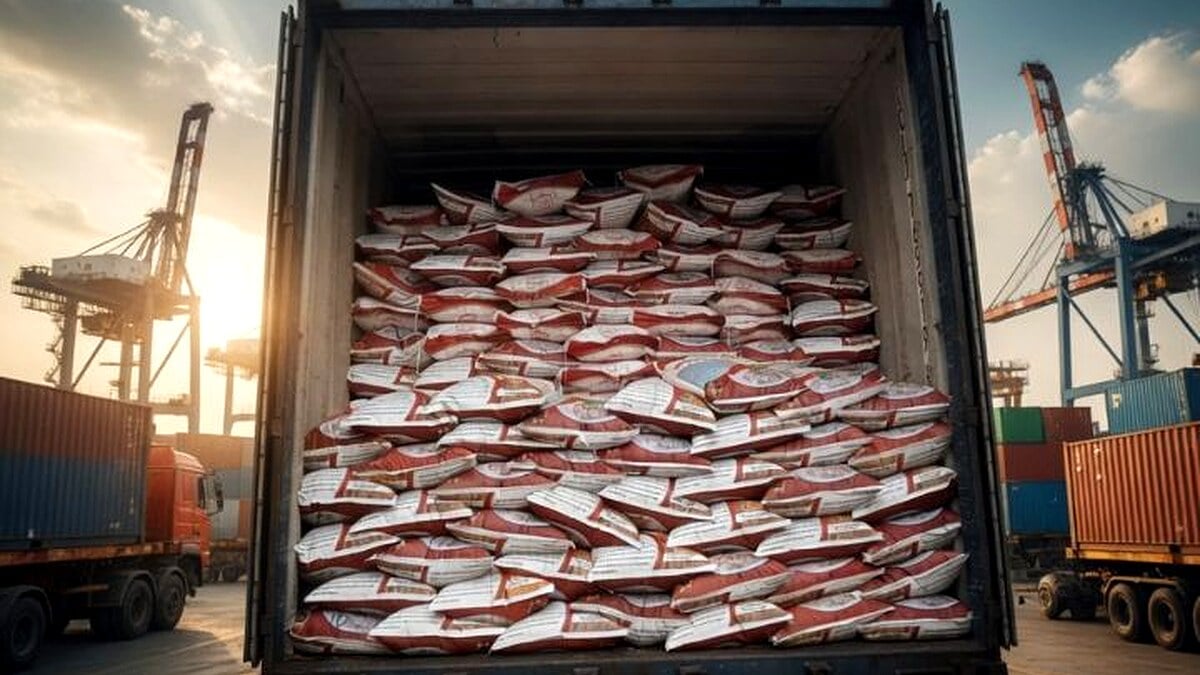
Russia has lifted its import restrictions on Pakistani potatoes, effective April 8, 2026, allowing fresh shipments from Punjab to resume after nearly a year of blockage. The move comes as Pakistan grapples with one of its largest potato harvests on record and limited export routes.
But that’s not the full story. The ban, imposed in May 2025 over concerns of potato tuber moth and tomato spotted wilt virus, had threatened to deepen an already painful crisis for growers.
Pakistan’s Department of Plant Protection acted swiftly. In February 2026, officials submitted detailed pest status records and accredited laboratory diagnostic reports to Russia’s Federal Service for Veterinary and Phytosanitary Surveillance, known as Rosselkhoznadzor. These documents demonstrated the absence of the cited pests and pathogens in Pakistani potato crops.
The Russian authority reviewed the evidence and approved the lifting of phytosanitary restrictions. Initially, only three exporters—Chase International, Zahid Kinnow Grinding & Waxing Plant, and National Fruit—have received clearance. More companies are expected to join as they meet Russian standards.
This development carries significant weight for Pakistan’s agriculture sector.
Pakistan’s potato production has surged dramatically in recent years. Output has nearly tripled from around 4.8 million tons in 2019 to an estimated 12 million tons in 2026. Punjab remains the heartland of this production, contributing the bulk of the national harvest.
Yet demand has not kept pace with supply. The closure of the Afghanistan border since October 2025 has severely disrupted traditional export channels. Afghanistan and Central Asian states previously absorbed a substantial portion of Pakistan’s potato exports, often accounting for over 40 percent of outbound shipments in peak years.
With those routes blocked, domestic markets became flooded. Farm-gate prices crashed dramatically. Reports from late 2025 and early 2026 indicated prices dropping by 50 to 70 percent in some areas, with 5-kilogram bags selling for as low as Rs80 in wholesale markets. Farmers in several districts reported losses exceeding Rs100,000 per acre, pushing many toward distress sales or even using potatoes as livestock feed.
This glut created an urgent need for alternative markets. Russia, which had imported Pakistani potatoes worth millions of dollars in previous years, emerged as a vital outlet. Pre-ban data shows Pakistan exported approximately 11,194 tonnes to Russia in 2023, valued at over US$3.28 million. Figures for 2024 stood lower at around US$597,000, partly reflecting the impact of emerging restrictions.
The reopening therefore represents more than just a trade adjustment. It offers a direct channel to ease surplus pressure and stabilize prices for millions of farmers and related workers.
What’s more concerning is the broader vulnerability exposed by these repeated shocks. Pakistan cultivates potatoes on nearly one million acres annually. The crop supports entire rural economies—from input suppliers and transporters to cold storage operators and exporters. A prolonged price slump risks cascading effects on rural livelihoods and food security.
However, a deeper issue is emerging around quality assurance and market diversification. The 2025 ban highlighted the importance of robust phytosanitary protocols. Pakistan’s successful challenge through scientific evidence underscores the strength of its surveillance systems and the professionalism of its plant protection teams.
This is where things get interesting. The initial approval for three exporters signals a controlled, phased reopening. Russian requirements remain stringent, focusing on compliance with Eurasian Economic Union quarantine standards. As more Pakistani firms demonstrate adherence, export volumes could scale up significantly.
Analysts estimate that even partial absorption of the surplus through Russia could prevent further domestic price erosion. With global potato demand steady and Russia seeking reliable non-traditional suppliers, the timing appears favorable.
Yet challenges persist. Logistics, including refrigerated transport and compliance costs, will determine how quickly shipments can ramp up. Exporters must also navigate currency fluctuations and competition from other potato-producing nations.
And this raises an important question: Can this single market reopening provide enough relief for the full 12-million-ton harvest?
Experts suggest it offers a meaningful but partial solution. Traditional exports to Afghanistan and Central Asia, if restored, would complement the Russian channel. In the meantime, value-addition initiatives—such as potato processing into chips, flakes, or starch—could help absorb excess supply and create higher-margin opportunities.
Pakistan’s potato sector has shown resilience before. Improved varieties, better irrigation, and expanded cultivation have driven yield gains. Average yields have risen notably over the past decade, contributing to the current bumper crop.
The government has taken parallel steps to support farmers. Discussions around cold storage incentives, subsidized inputs, and export promotion continue. The recent engagement with Russia demonstrates effective diplomatic and technical coordination between Islamabad and Moscow.
This success also reflects positively on Pakistan’s agricultural diplomacy. By presenting empirical data rather than rhetoric, authorities secured a science-based resolution—strengthening credibility in international trade forums.
What happens next will be closely watched. Shipments are expected to begin soon from approved exporters. Market observers anticipate an initial focus on table potatoes, with potential for expanded categories if demand grows.
For Punjab’s potato belt, the news brings cautious optimism. Farmers who endured months of low prices and uncertainty now see a pathway to better returns. Rural economies, long strained by input costs and climate pressures, stand to gain from revived export momentum.
However, the sector’s long-term health depends on sustained efforts. Diversifying beyond a few key markets, investing in post-harvest infrastructure, and maintaining stringent quality controls will be essential to prevent future crises.
This reopening arrives at a critical juncture. With production at historic highs and traditional routes constrained, every new market access point matters. Russia’s decision not only eases immediate surplus pressure but also signals confidence in the safety and quality of Pakistani potatoes.
As shipments resume, the focus will shift to execution—ensuring timely delivery, consistent standards, and maximum value capture for growers.
The coming months will reveal the true scale of relief. Yet one thing is clear: Pakistani potatoes are back on Russian shelves, offering a timely lifeline to an industry that feeds millions and employs hundreds of thousands.
The bigger test lies ahead—transforming this respite into structural strength for Pakistan’s potato economy.