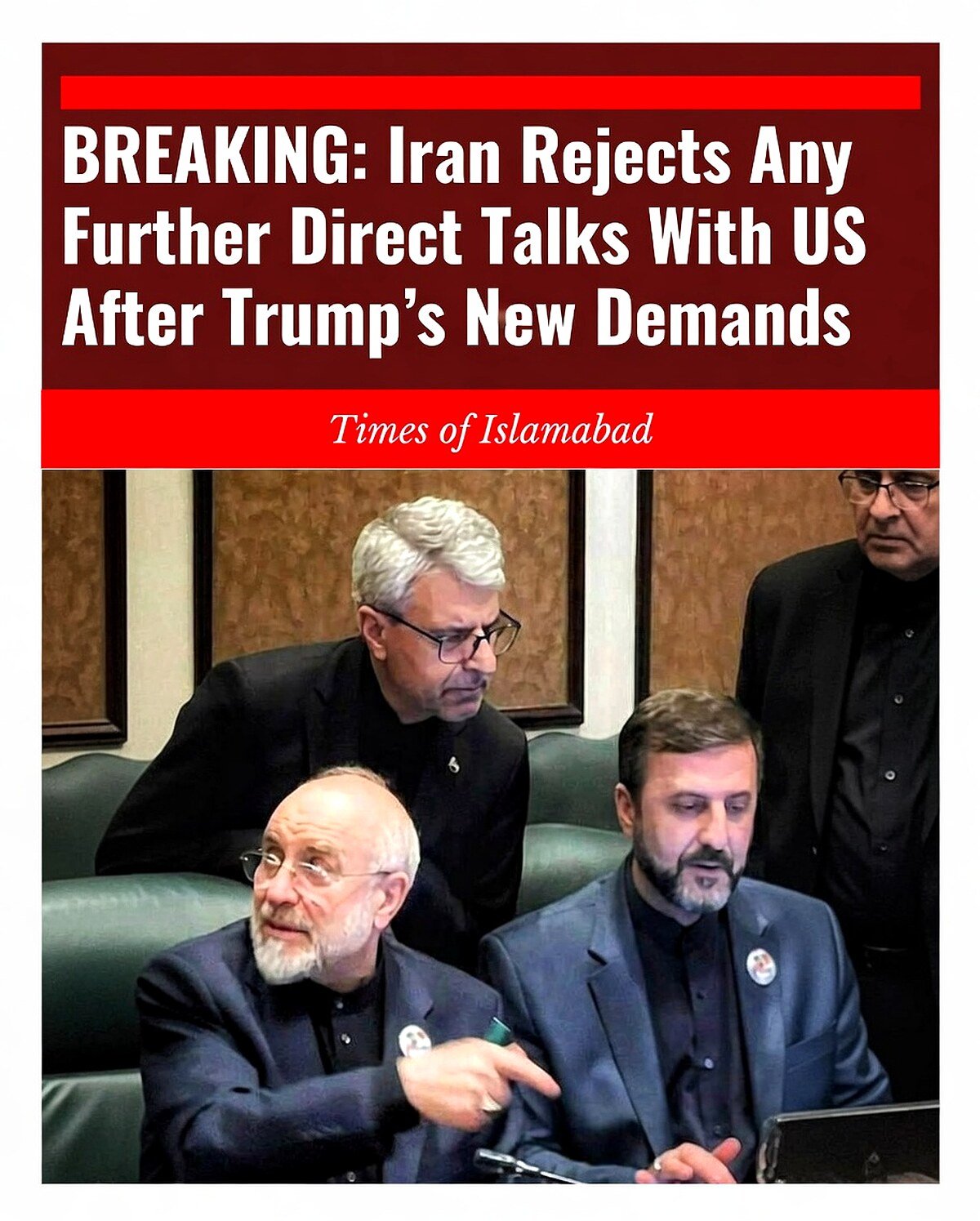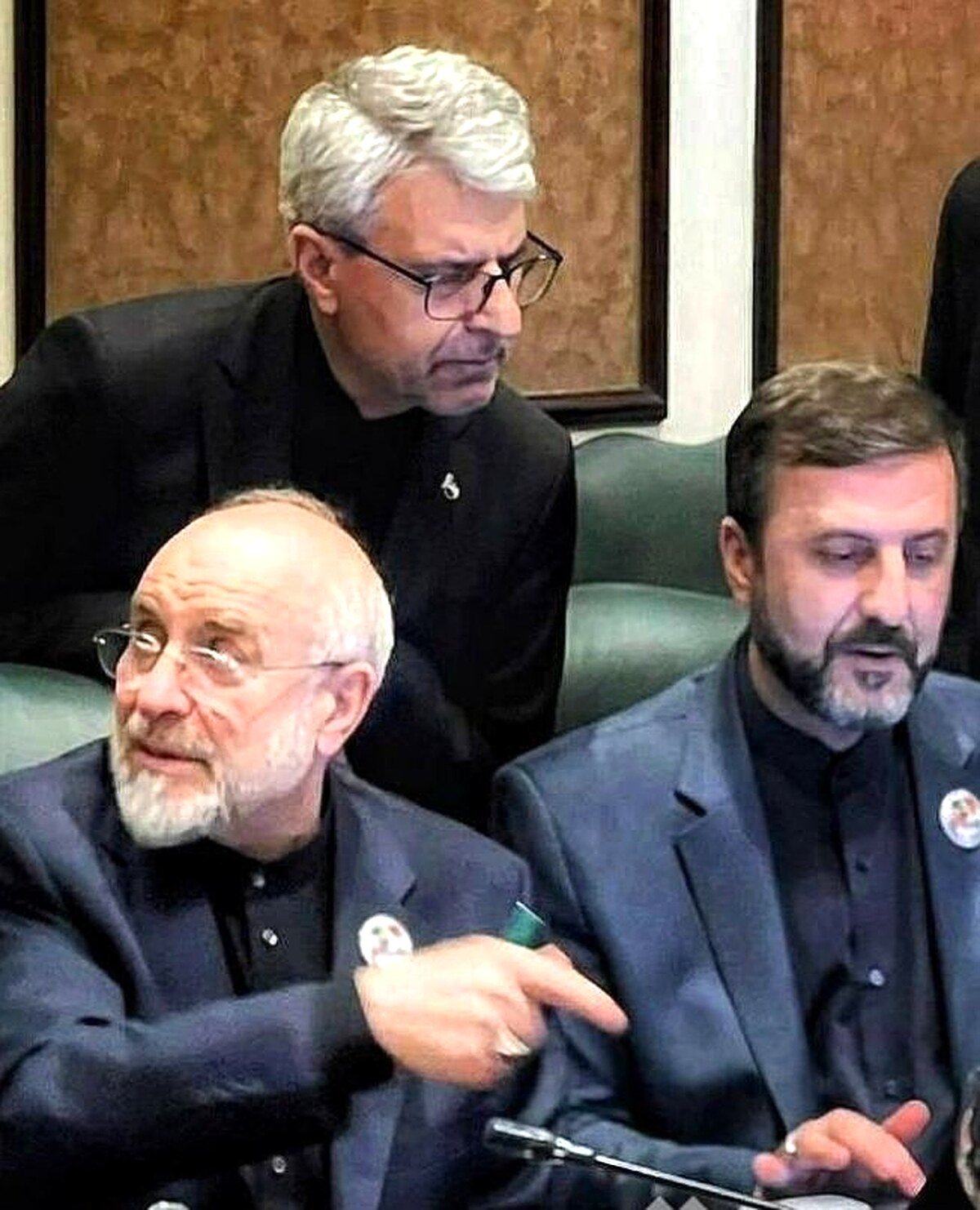




ISLAMABAD: A fresh diplomatic standoff has emerged between Tehran and Washington, casting fresh uncertainty over efforts to stabilize the Middle East after months of tension.
Iran’s Deputy Foreign Minister Saeed Khatibzadeh delivered a clear message in an interview with the Associated Press on the sidelines of the Antalya Diplomacy Forum in Turkey: Tehran is not ready for in-person negotiations with the United States.
The reason, he stated bluntly, is that Washington has not stepped back from its “maximalist position” involving excessive demands on key issues.
Khatibzadeh emphasized that Iran will not hand over its enriched uranium stockpile to the United States, calling the idea a “non-starter” and “unacceptable condition.”
This firm stance directly contradicts recent comments from US President Donald Trump, who on Friday claimed positive progress in communications and suggested the US could retrieve enriched material from damaged Iranian nuclear sites.
But that’s not the full story.
While contact between the two sides continues through indirect channels, Iran insists that any future direct talks must first be preceded by a mutually agreed “framework agreement.” Without it, Tehran sees little point in rushing to the table.
What’s more concerning is the underlying gap in expectations. Khatibzadeh highlighted that the US must first understand and address Iran’s core concerns, including the lifting of sanctions that have long strained the Iranian economy and its sovereign rights.
This position comes amid a complex backdrop of recent regional developments, including a fragile ceasefire and ongoing mediation efforts involving third parties.
However, a deeper issue is emerging around the nuclear file itself.
Iran currently holds a significant stockpile of enriched uranium, with IAEA reports from before last year’s strikes documenting approximately 440.9 kilograms enriched up to 60 percent purity. Experts note that further enrichment to weapons-grade levels (around 90 percent) represents a relatively short technical step, though Iran has consistently maintained its program is for peaceful purposes.
Trump, in contrast, has spoken optimistically about ongoing conversations, describing them as “very good” and even suggesting that the US would work with Iran to recover nuclear material “at a nice leisurely pace” using heavy machinery if needed.
The contrasting narratives have created confusion in diplomatic circles.
Khatibzadeh reportedly criticized the mixed signals coming from the American side, pointing out inconsistencies even within single statements from US officials.
This raises an important question: Can indirect contacts bridge such a wide divide, or will the absence of a clear framework prolong the impasse?
This is where things get interesting.
Pakistan has played a notable mediating role in recent months, facilitating backchannel discussions aimed at preventing further escalation. Islamabad’s involvement reflects its strategic interest in regional stability, given its borders and long-standing ties in the Muslim world.
Yet even with these efforts, progress remains slow. Earlier rounds of talks in Islamabad reportedly came close but ultimately stalled over similar issues of trust, sanctions relief, and the future of Iran’s enrichment activities.
Iran has proposed shorter moratorium periods on certain nuclear steps, while US positions have leaned toward longer-term suspensions—up to 20 years in some reported suggestions—along with stricter verification measures.
The stakes are enormous. The Strait of Hormuz, through which a significant portion of global oil passes, has seen periodic tensions, with Iran asserting control over its waters while the US maintains pressure through sanctions and military posturing.
Any miscalculation could send energy prices soaring and destabilize economies far beyond the region.
And this brings us to the human and strategic cost.
Years of sanctions have impacted ordinary Iranians, affecting everything from access to medicine to economic growth. Tehran argues that meaningful sanctions relief must be part of any credible framework, not treated as a later concession.
On the other side, Washington and its partners express deep concerns over nuclear proliferation risks and regional proxy dynamics, insisting on robust safeguards.
Khatibzadeh’s remarks underscore a consistent Iranian red line: enrichment on Iranian soil remains a sovereign right that cannot be fully negotiated away.
This firm posture has surprised some observers who hoped recent indirect contacts might lead to quicker breakthroughs.
What’s more concerning is the potential for renewed escalation if talks remain frozen.
Trump’s administration has maintained a mix of public optimism and private pressure, with threats of further action if Iran does not show flexibility.
Yet Iran appears determined not to appear weak, especially after enduring strikes on its nuclear infrastructure last year.
Satellite imagery from facilities like Natanz and Isfahan revealed significant damage, yet reports indicate Iran has taken measures to protect remaining assets, including underground storage.
The IAEA continues to call for greater access and verification, noting in recent reports its inability to fully monitor activities at certain sites due to restricted access.
This lack of transparency only heightens global anxieties.
However, a new insight is worth noting here.
Despite the tough rhetoric, both sides acknowledge that some level of communication persists. Khatibzadeh confirmed ongoing contacts, even as he ruled out immediate face-to-face meetings.
This suggests a deliberate strategy: keep channels open while refusing to concede on core principles.
The approach mirrors classic diplomatic hardball—signaling readiness for dialogue but only on terms that preserve dignity and strategic interests.
And this raises an important question for the coming weeks: Will mediators, including those from Pakistan and Turkey, manage to narrow the gaps on a framework agreement before tensions boil over again?
Regional observers point out that a successful framework could open the door to broader de-escalation, potentially including issues in Lebanon and other flashpoints.
Failure, however, risks a return to the cycle of threats, sanctions, and possible military posturing.
Global markets are already watching closely. Oil prices have fluctuated with every headline from Antalya or Washington, reflecting fears over supply disruptions through critical chokepoints.
For Pakistan, the outcome carries direct implications for border security, economic ties, and its role as a trusted intermediary in a volatile neighborhood.
Iran’s resilience in the face of pressure has earned respect in many quarters across the Muslim world, demonstrating a commitment to independent foreign policy.
At the same time, the US under Trump continues to project strength while leaving room for deal-making—a trademark style that has yielded results in other arenas but faces unique challenges here.
The coming days will test whether these parallel tracks can converge or if the current deadlock will persist.
One thing remains clear: without addressing Iran’s fundamental concerns on sanctions and rights, and without Washington moderating its maximalist demands, direct negotiations appear off the table for now.
Yet diplomacy rarely moves in straight lines. The very fact that high-level statements are being issued publicly while contacts continue quietly hints at maneuvering behind the scenes.
This leaves the region—and the world—watching with cautious anticipation.
What happens if a framework is eventually agreed? Could it pave the way for a more stable Middle East, reduced tensions, and economic relief for millions?
Or will entrenched positions lead to another round of brinkmanship?
The answers may not come quickly, but the stakes ensure that every statement, every interview, and every mediated message carries heavy weight.
Pakistan’s continued diplomatic engagement in these efforts highlights its constructive role in fostering dialogue among major players.
As positions harden in public but contacts persist in private, the path forward remains uncertain—yet the door to de-escalation has not fully closed.
The coming phase will reveal whether wisdom prevails or if old patterns of confrontation regain the upper hand.