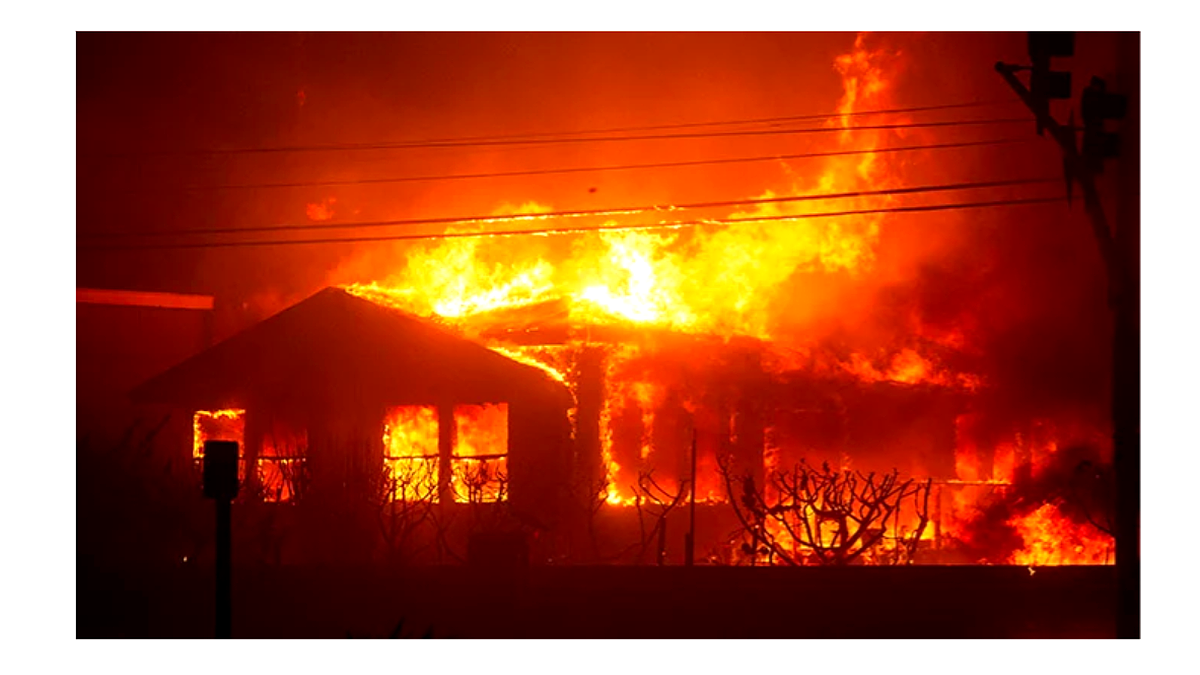




A powerful explosion lit up the night sky near Beit Shemesh west of occupied Jerusalem late Saturday, sending towering flames and thick plumes of smoke visible for miles across central Israel.
The blast, reported around 11:30 pm on May 16, occurred close to a highly sensitive defense facility, triggering immediate security alerts and widespread alarm among residents still recovering from recent regional tensions.
Israeli authorities and the state-owned defense company Tomer later described the incident as a pre-planned and controlled rocket engine test. Yet the dramatic visuals and lack of prior public warning fueled intense speculation online and on the ground.
Emergency vehicles faced restricted access to the area in the initial moments after the blast. Hebrew media outlets reported heightened security measures as officials moved quickly to contain the situation and clarify details.
Tomer, a key player in Israel’s defense industry, confirmed the explosion took place during a scheduled propulsion system experiment at one of its testing sites. The company stated the test was executed according to plan with no injuries or external damage reported.
The facility specializes in developing and manufacturing rocket engines for some of Israel’s most advanced missile systems. These include propulsion for the Arrow 2 and Arrow 3 ballistic missile interceptors, Barak 8 and Barak MX multi-layered air defense missiles, as well as engines for other precision rockets and satellite launch systems.
Such systems form the backbone of Israel’s multi-tiered air and missile defense architecture, critical amid ongoing threats from Iran and its proxies.
Initial unconfirmed reports suggested the blast happened near a factory producing heavy and light rocket engines. Russian and international media highlighted the strategic sensitivity of the location, noting its proximity to other defense installations in the region.
Local residents in Beit Shemesh described hearing a massive boom followed by visible fireball and mushroom cloud-like formations. Many initially feared another attack, especially given the area’s history of being targeted in previous escalations, including a deadly Iranian missile strike earlier this year that killed nine people and injured dozens.
Beit Shemesh municipality reportedly received no advance notification, raising immediate questions about coordination between defense contractors and civilian authorities. The absence of warnings left families startled and communities on edge late at night.
Israeli officials moved to downplay security concerns. Tomer emphasized that authorities had been informed in advance and that the activity was routine for testing propulsion technologies essential to national defense capabilities.
No official details emerged on the exact scale of the test or any potential internal impact at the facility. Speculation about possible accidents or larger incidents circulated briefly on social media before being countered by official statements.
The timing of the test has drawn particular attention. Conducted late on a Saturday night, it echoed a similar controlled test in 2021 that also produced dramatic visuals but caused less public concern at the time.
Defense analysts note that such tests are necessary to validate new engine designs and maintain readiness of Israel’s missile defense inventory. The Arrow system, in particular, has seen increased importance as a long-range interceptor against ballistic missile threats.
However, the incident underscores broader challenges in balancing secretive defense operations with public safety notifications in densely populated central Israel.
As of Sunday morning, Israeli police and defense sources confirmed there was no hostile activity involved. Investigations into the precise circumstances continue, though emphasis remains on the controlled nature of the event.
The blast has nonetheless renewed focus on the vulnerability and strategic importance of Israel’s defense industrial base. Facilities like Tomer’s sites operate under tight security but lie relatively close to civilian areas, creating inherent tensions during high-visibility tests.
Regional tensions remain high following months of conflict involving Iran-backed groups. Any unusual activity at defense sites inevitably draws global scrutiny and fuels online narratives ranging from sabotage theories to exaggerated claims.
Israeli media reported that emergency protocols were activated swiftly, with traffic restrictions and security reinforcements in place around the perimeter. No casualties have been confirmed from the incident itself.
Tomer’s role extends beyond engines to supporting air, sea, land, and space platforms. Its work on the Arrow program has been pivotal in several successful interceptions during recent rounds of escalation.
The company operates several sites in the Beit Shemesh vicinity, some linked to the broader Sdot Micha airbase complex, known for missile-related activities.
While officials insist the test was successful and routine, the public reaction highlights growing sensitivity among Israeli civilians to any signs of potential threats. Calls for better communication protocols between defense entities and local governments have already surfaced in early discussions.
This latest event adds to a pattern of occasional high-profile tests and incidents at Israel’s defense facilities, each carefully managed to avoid revealing operational details while addressing public concern.
As more information emerges, questions persist about notification procedures and the frequency of such nighttime activities near populated zones. Israeli authorities have not yet released additional technical specifics about the test parameters or outcomes.
The defense establishment continues to monitor the situation closely, with emphasis on maintaining operational secrecy alongside civilian reassurance.
For now, the official line holds that the dramatic explosion was exactly what Israel’s defense industry planned it to be, a controlled demonstration of capabilities that keep the country’s missile defenses at the cutting edge. Yet in a region on constant alert, even planned blasts carry the power to unsettle.