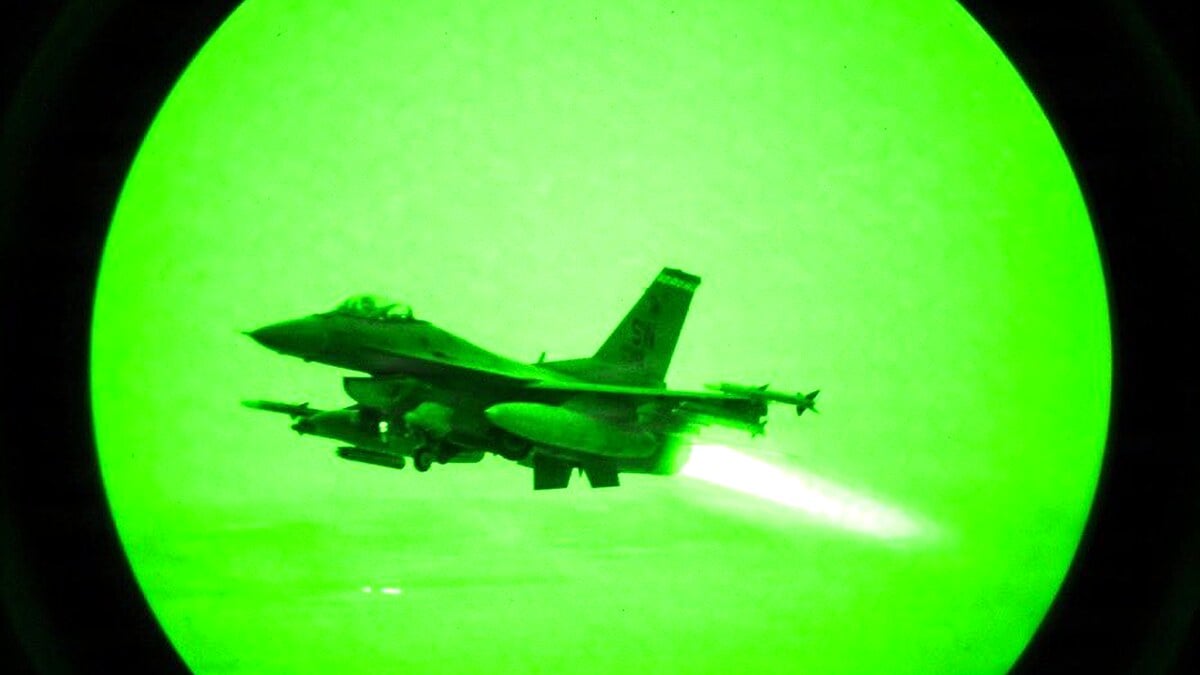




(This Gulf State May Launch Ground Attack Against Iran’s Strategic Assets: Report)
British newspaper The Telegraph has revealed a sensational disclosure from senior American officials encouraging the United Arab Emirates to take a direct combat role against Iran, including seizing the strategically vital Lavan Island.
A senior US security official told The Telegraph bluntly: “Go take ’em.” The official added that such a move would mean “UAE boots on the ground instead of US.”
The report, published on May 16, 2026, signals a major shift in Washington’s approach to the ongoing Iran conflict. It highlights America’s preference for relying on regional allies rather than committing its own ground forces.
Lavan Island, located in the Persian Gulf off Iran’s southern coast, serves as a critical energy hub for Tehran. The island hosts a key refinery with a capacity of around 55,000 barrels per day, along with important gas processing facilities and offshore oil infrastructure.
Control over Lavan would give any occupying force significant leverage over Iran’s oil exports and refining capabilities. The island sits near vital shipping lanes close to the Strait of Hormuz, through which roughly one-fifth of global oil supplies pass daily.
This latest revelation comes weeks after reports that UAE forces conducted secret airstrikes on the same Lavan Island refinery in early April 2026. Those strikes, confirmed by multiple sources including The Wall Street Journal, occurred around the time a fragile ceasefire was announced. They reportedly crippled output at the facility for months and triggered Iranian retaliation against Emirati targets.
The Telegraph’s sources described the suggestion as part of broader discussions within Donald Trump’s circle. Officials are pushing Abu Dhabi to deepen its involvement in the confrontation with Iran rather than limiting actions to airstrikes.
This strategy appears designed to avoid direct American entanglement in a potential ground war. By empowering Gulf allies, Washington aims to maintain pressure on Tehran while minimizing US military casualties and domestic political costs.
Iran has not yet issued an official response to the latest report. However, Tehran has repeatedly warned that any attempt to seize its territory would trigger a severe response, including potential closure of the Strait of Hormuz.
The island’s importance extends beyond immediate oil production. Lavan supports Iran’s offshore crude exports and forms part of its maritime defense network in the Gulf. Any ground operation there would represent a major escalation, potentially turning a war of missiles and drones into one involving territorial occupation.
Regional analysts note that such a move could reshape alliances across the Gulf. The UAE, already engaged in shadow operations, would find itself on the front lines of a direct challenge to Iranian sovereignty.
Oil markets have reacted nervously to the unfolding developments. Crude prices have climbed above 100 dollars per barrel in recent weeks amid fears of supply disruptions. Shipping companies continue to reroute vessels away from high-risk areas in the Persian Gulf.
The Trump administration has not publicly commented on The Telegraph’s report. However, the newspaper’s account draws from informed sources close to the US president, lending weight to the claims.
This episode fits into a pattern of evolving US policy in the Middle East. Following the recent Iran conflict and ceasefire, Washington appears focused on burden-sharing with capable allies like the UAE and Israel.
For Pakistan and other South Asian nations, the stakes are high. Any major disruption in Gulf energy flows would directly impact oil imports, remittance flows from overseas workers, and overall economic stability in the region.
The proposal to seize Lavan Island carries significant risks. A successful operation could weaken Iran’s energy sector and negotiating position. Failure, however, might draw multiple parties into a wider conflict with unpredictable consequences.
Diplomats in the region are watching closely. Several Arab states maintain quiet ties with Tehran while strengthening defense cooperation with Washington. A UAE-led ground action could force difficult choices across the Gulf Cooperation Council.
Iranian state media has stepped up broadcasts showing civilian military training and naval exercises in recent days. Tehran has also seized tankers in the Strait of Hormuz as part of its demonstrated willingness to retaliate asymmetrically.
The coming weeks may prove decisive. With a ceasefire already under strain, fresh proposals for territorial seizures could push the region toward renewed open hostilities.
As tensions simmer, global powers including China and Russia have called for restraint. Both nations maintain significant economic interests in Iranian energy and Gulf stability.
The Telegraph report underscores a new reality in Gulf security dynamics. Regional playe