



Islamabad: Senior Pakistani diplomat and analyst Senator Mushahid Hussain Syed has declared that President Donald Trump’s just-concluded visit to China has eased a long-standing strategic dilemma for Pakistan.
The high-stakes Beijing summit has opened pathways for improved great power coordination, allowing Islamabad to strengthen ties with both Washington and Beijing without forced trade-offs.
Mushahid Hussain Syed, Chairman of the Pak-China Institute, described the development as a significant diplomatic win for Pakistan.
Speaking to local media, he stated that the improved atmosphere between the two superpowers means Pakistan will no longer need to “pick and choose” between its time-tested ally China and the United States.
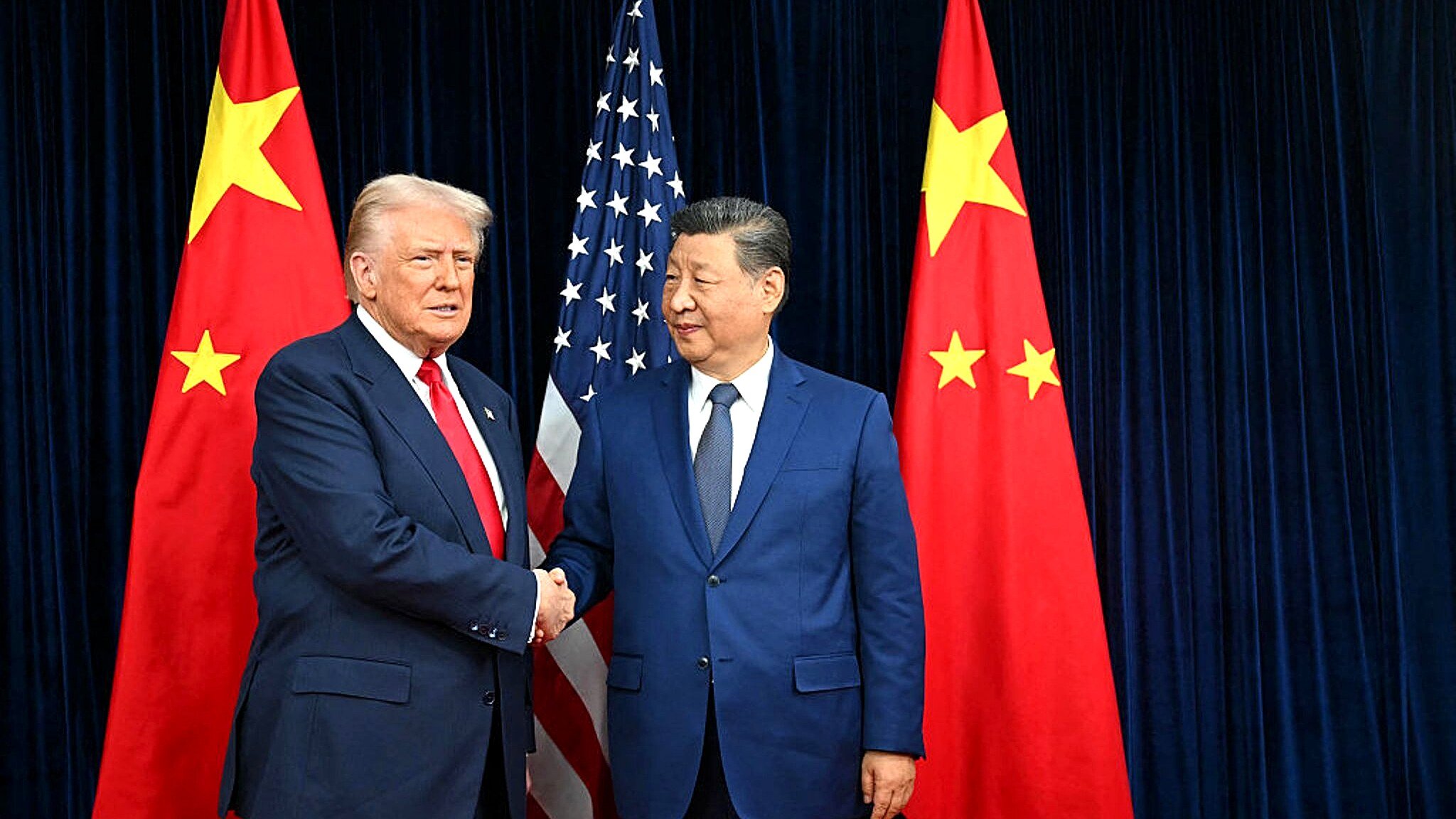
The two-day official visit by President Trump to Beijing, which concluded on May 15, focused on trade imbalances, technology issues, and regional stability including the Iran conflict. Trump held direct talks with President Xi Jinping and was accompanied by Elon Musk and senior aides.
Pakistani officials and analysts closely monitored the outcomes. Islamabad maintains deep strategic partnership with China through CPEC while seeking renewed economic and security cooperation with the United States.
“This visit has turned out to be good for Pakistan as far as its foreign relations are concerned,” Mushahid Hussain Syed noted.
He emphasized that good relations between China and the US will prove beneficial for Pakistan, eliminating the pressure of balancing rival superpowers.
During his departure from China, President Trump reportedly highlighted Pakistan’s constructive regional role, reinforcing positive signals from Washington. Pakistani circles view this mention as timely recognition of Islamabad’s contributions to regional peace efforts.
The timing carries particular weight. Pakistan has navigated complex diplomacy amid US-China tensions in recent years, especially over Belt and Road projects, technology transfers, and South Asian security dynamics.
Analysts point to concrete benefits. Reduced friction between Washington and Beijing could unlock new avenues for Pakistan in trade, investment, and conflict mediation.
Pakistan has already positioned itself as a bridge in certain regional crises. Islamabad and Beijing jointly advanced a five-point plan aimed at ceasefire and reopening key maritime routes in West Asia.
The Trump-Xi engagements are seen as building on such momentum. Improved US-China understanding may help stabilize global supply chains and energy markets, areas where Pakistan remains vulnerable due to its import dependence.
Official circles in Islamabad welcomed the development. Foreign Ministry sources indicated that Pakistan’s multi-alignment policy has gained more space to operate effectively.
Economic dimensions stand out prominently. China remains Pakistan’s largest trading partner and key investor in infrastructure. The United States continues as a major market for Pakistani textiles and a source of remittances and development assistance.
Balanced relations with both could accelerate progress on stalled CPEC phase-II projects in agriculture, technology, and special economic zones while attracting fresh American private sector interest.
Security cooperation also features in the calculus. Pakistan’s counter-terrorism efforts and role in Afghan stability have drawn renewed US attention in recent months. Trump’s public acknowledgment of Pakistan’s contributions adds diplomatic weight.
Mushahid Hussain Syed stressed the broader global context. He observed that both the United States and China appear focused on economic recovery and reducing prolonged conflict costs, a trajectory that aligns with Pakistani priorities.
The senator pointed to expectations of concrete decisions emerging from the Beijing summit that could influence regional economies.
For Pakistan, the immediate impact appears psychological and strategic. Decision-makers in Islamabad can now pursue deeper engagement with both powers on merit rather than under zero-sum constraints.
This shift carries long-term implications for South Asian geopolitics. India, traditionally closer to Washington, may face its own recalibration challenges if US-China dynamics evolve toward selective cooperation.
Yet Pakistani officials remain cautious. They underline that while the summit reduces balancing pressures, core national interests will continue guiding foreign policy.
China has consistently supported Pakistan on key issues at international forums. The United States has shown renewed interest in counter-terrorism intelligence sharing and potential economic re-engagement.
Experts highlight that Pakistan’s geographic location and established partnerships with both nations provide unique leverage in a changing global order.
As details of Trump-Xi agreements emerge in coming days, Pakistani diplomatic channels are expected to engage actively with both sides to translate improved atmosphere into tangible outcomes.
Mushahid Hussain Syed’s assessment resonates widely in policy circles. The veteran parliamentarian and former information minister has long advocated pragmatic diplomacy that maximizes benefits from all major powers.
The Beijing summit outcomes could mark a new chapter for Pakistan’s foreign policy execution. With reduced great power rivalry pressures, Islamabad aims to focus more intensely on economic security, debt management, and export-led growth.
Regional observers note that Pakistan’s successful navigation of this period could enhance its credentials as a responsible middle power capable of maintaining productive relations across divides.
As the dust settles on the Trump visit, Pakistani leadership views the moment as an opportunity rather than a challenge. The country’s strong ties with China remain foundational while doors to enhanced US partnership appear more accessible.
This diplomatic space comes at a crucial time. Pakistan continues reconstruction efforts after recent conflicts and natural disasters while pushing structural economic reforms.
Senior analysts expect follow-up diplomatic activity from Islamabad in both Washington and Beijing to build upon the positive momentum generated by the summit.
The coming weeks will reveal the depth of this shift. For now, the consensus in Pakistan’s strategic community remains clear: the Trump-Xi meeting has delivered welcome relief to Islamabad’s longstanding tightrope walk between the world’s two leading economies.