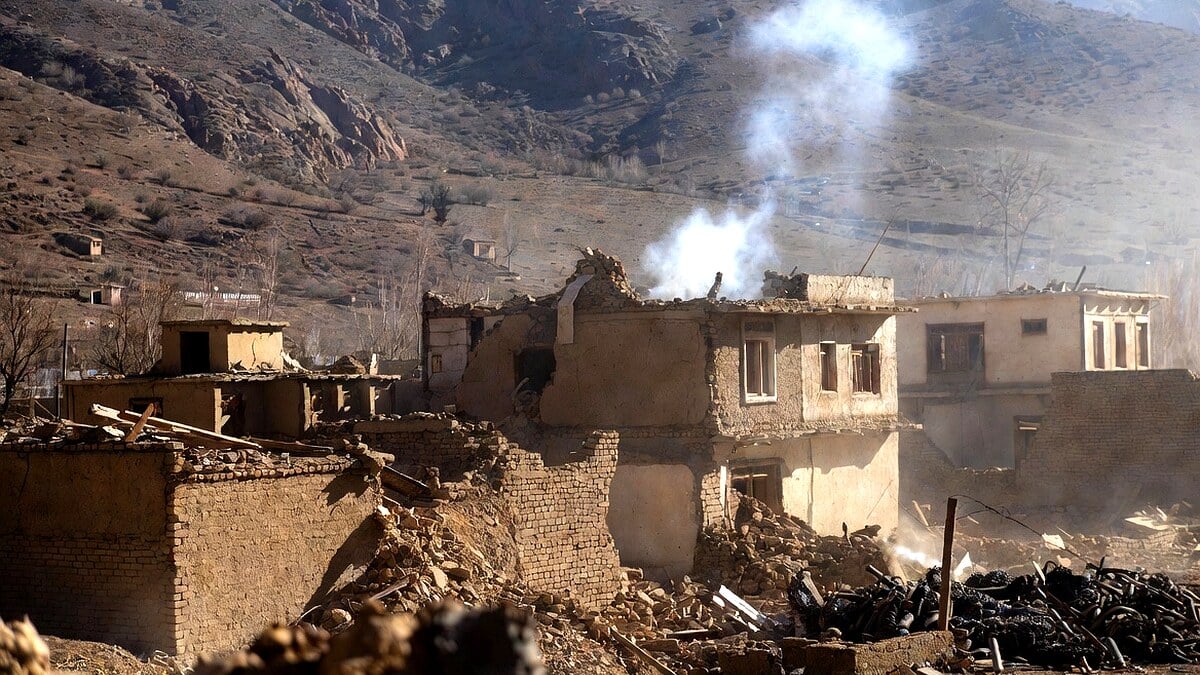




ISLAMABAD: A powerful explosion ripped through the house of a Tehrik-i-Taliban Pakistan (TTP) commander in Pech Dara area of Kunar province, Afghanistan, killing five people and completely destroying the structure.
Local sources confirmed the blast occurred in the commander’s residence, where a large quantity of explosives was reportedly stored. The material was believed to be intended for militant operations targeting Pakistan.
No group has claimed responsibility for the incident so far. Afghan security officials have not issued an official statement on the cause of the explosion.
Pakistani security sources described the development as a significant setback for TTP networks operating from Afghan soil. The group has intensified cross-border attacks in recent years, particularly in Khyber Pakhtunkhwa and Balochistan provinces.
Kunar province lies along the Pakistan-Afghanistan border and has long served as a sanctuary for various militant factions, including TTP splinter groups. The Pech Dara district has witnessed repeated security incidents involving explosives and militant activity.
According to preliminary reports, the five individuals killed included the TTP commander and several associates. The blast’s intensity suggested accidental detonation of stored munitions rather than an external strike.
TTP has carried out over 500 attacks inside Pakistan since 2021, resulting in hundreds of civilian and security personnel casualties. Pakistani authorities estimate that more than 2,000 militants affiliated with the group are currently based in eastern Afghanistan.
The explosion highlights the risks associated with handling large caches of improvised explosive devices (IEDs) and military-grade munitions in residential areas used as operational bases.
Pakistan has repeatedly urged the Afghan interim government to act against TTP sanctuaries. Islamabad has conducted several cross-border strikes in Kunar and Nangarhar provinces in response to increased militant incursions.
Bilateral trade between Pakistan and Afghanistan stood at around $2.5 billion in recent years, though security tensions have affected movement of goods and people across the Durand Line.
The incident comes amid heightened Pakistani military operations against TTP in border regions. Security forces reported neutralizing over 300 terrorists in the first four months of 2026 alone.
TTP leadership has not issued any confirmation or denial regarding the loss of their commander. The group’s media wing often remains silent on internal accidents involving explosives.
Reactions from Afghan Taliban authorities remain awaited. The group has previously denied providing safe havens to TTP while acknowledging challenges in controlling all border areas.
The destruction of the house and loss of five militants, along with valuable explosives, represents a material blow to local TTP operational capacity. Such incidents reduce the group’s ability to plan and execute large-scale attacks inside Pakistan.
This event adds to a pattern of accidental explosions in militant hideouts across Afghanistan. Similar blasts in the past have been attributed to poor handling of unstable bomb-making materials and improper storage conditions.
Pakistani officials view the development as evidence of internal vulnerabilities within TTP networks. Continued pressure from Pakistani security operations is forcing militants to operate under more constrained and risky conditions.
The broader regional security environment remains fluid. Cross-border militancy continues to strain Pakistan-Afghanistan relations, affecting economic cooperation and refugee management.
Future developments will depend on the response of Afghan authorities and the TTP’s ability to replace lost commanders and replenish supplies. Pakistani forces are expected to maintain vigilance along the western border.
Diplomatic efforts between Islamabad and Kabul may see renewed focus on counter-terrorism coordination in the coming weeks as both sides navigate persistent security challenges.