



Israel’s Latest Leak Exposes Deepening UAE Ties Despite Abu Dhabi’s Firm Denial
Israeli media has dropped yet another bombshell report on secret high-level contacts with the UAE, claiming the Israeli Army Chief joined Prime Minister Benjamin Netanyahu and intelligence chiefs in covert visits to Abu Dhabi during the recent war with Iran.
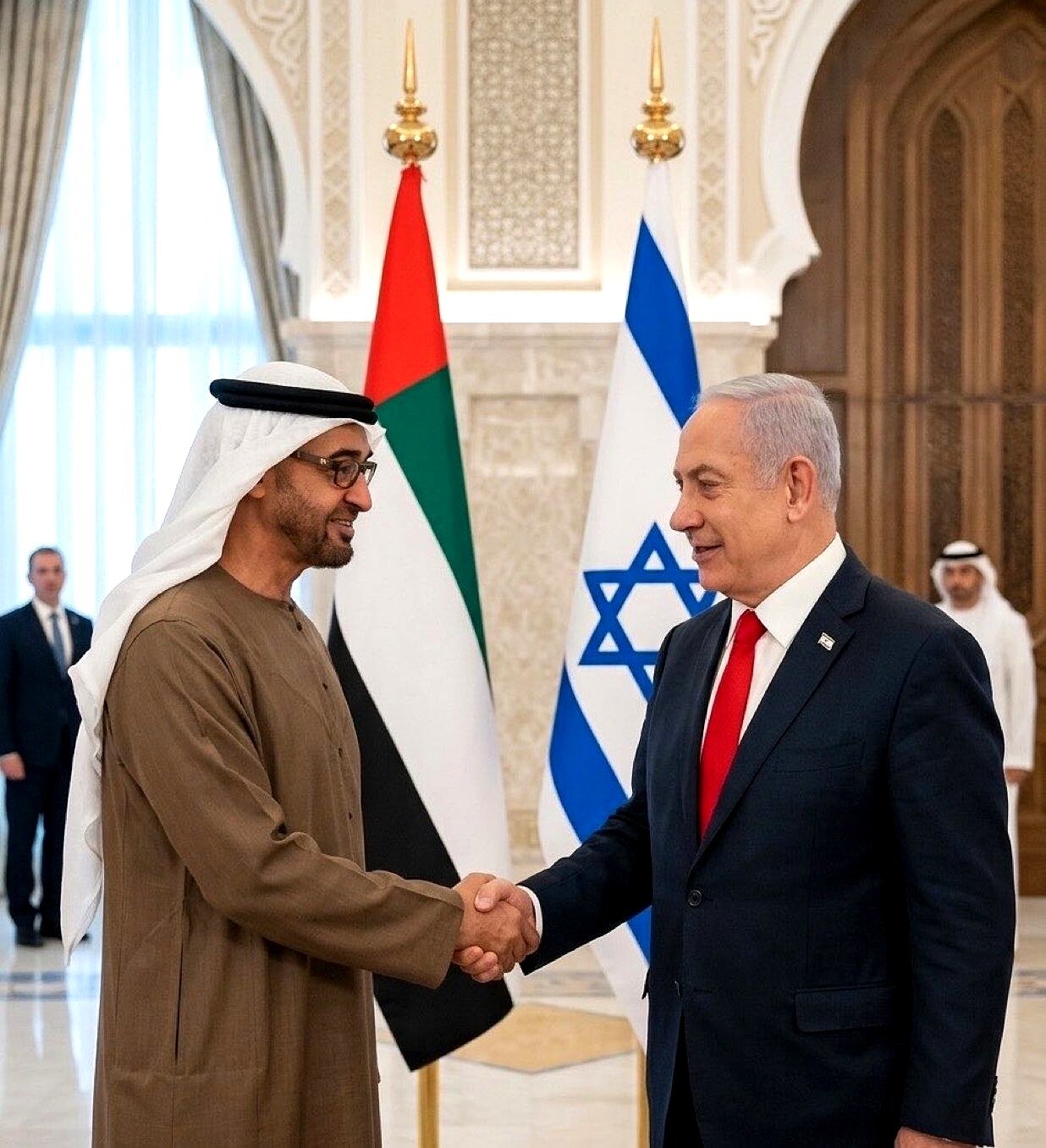
The disclosure comes just days after Netanyahu’s office confirmed his own secret trip, triggering an immediate and strong denial from the UAE.
According to Israeli outlets including Kan TV and Walla, IDF Chief of Staff Lt-Gen Eyal Zamir made a clandestine visit to the UAE accompanied by a US delegation. The purpose was to strengthen strategic cooperation and coordinate defense measures against Iran.
Sources told Israeli media that Zamir met with Emirati counterparts during Operation Roaring Lion, the Israeli campaign against Iranian targets.
This follows earlier reports that Mossad Director David Barnea visited the UAE at least twice, alongside Shin Bet chief David Zini, for security coordination.
Netanyahu’s office had earlier announced that the Israeli premier visited the UAE on March 26 and met President Sheikh Mohamed bin Zayed Al Nahyan. Israeli sources described the meeting as a historic breakthrough in wartime cooperation.
UAE authorities wasted no time in pushing back. The Emirati Foreign Ministry issued a strongly worded statement calling the reports “entirely unfounded.”
Relations with Israel remain public and strictly within the Abraham Accords framework, Abu Dhabi stressed. Any claims of secret visits or undisclosed arrangements lack official confirmation from UAE authorities.
The ministry urged media to avoid spreading unverified information that could fuel misleading narratives.
The string of Israeli leaks has placed the UAE in an increasingly awkward position. Gulf observers note that open acknowledgment of such deep military-intelligence ties could invite backlash from within the UAE and across broader Arab public opinion, especially after Iranian missile strikes targeted Emirati-linked interests.
Israeli reports suggest the visits focused on missile defense, intelligence sharing, and joint planning against Tehran. During the conflict, Israel reportedly deployed advanced defense systems and personnel to protect the UAE from Iranian retaliation.
Numbers emerging from the conflict highlight the scale of coordination. Iran launched multiple waves of missiles and drones toward Israeli and Gulf targets. Israeli officials claimed near-total interception rates in key engagements, crediting enhanced regional partnerships.
UAE officials have reportedly expressed frustration over the repeated leaks from the Israeli side. One Israeli channel claimed Abu Dhabi sent protest messages after details of Netanyahu’s alleged visit surfaced.
The pattern of disclosures raises questions about Israel’s strategic intent. By publicizing these meetings, Israeli sources appear to be forcing greater transparency on a relationship that the UAE prefers to keep low-profile.
Analysts suggest the leaks serve multiple purposes. They project Israeli strength and regional influence during wartime. They also apply quiet pressure on the UAE to move beyond public caution toward more open strategic alignment.
For the UAE, balancing Abraham Accords commitments with Arab street sentiments and Gulf dynamics remains delicate. Public denial helps manage domestic and regional perceptions while private channels reportedly continue functioning.
The timing adds another layer. The reports emerged amid efforts to shape post-conflict narratives in the Middle East. With Iran weakened but not eliminated, both Israel and the UAE share interests in containing Tehran’s influence across the region.
Israeli Army Chief Zamir’s reported visit carries particular weight. As the top military officer, his presence signals operational-level coordination beyond political or intelligence exchanges.
US involvement in the delegation further underscores the trilateral nature of these security discussions. Washington has long pushed for closer Israel-Gulf cooperation against Iran.
Pakistani and South Asian diplomatic circles are watching developments closely. The evolving Israel-UAE dynamic affects broader regional stability, energy security, and potential ripple effects on Muslim world alignments.
Despite official denials, the volume of Israeli-sourced reports continues to grow. Each new disclosure adds pressure on the UAE to either maintain its public stance or gradually adjust its positioning.
The Abraham Accords, signed in 2020, opened formal ties between Israel and several Arab states including the UAE. Trade, technology, and tourism boomed in following years, reaching billions of dollars annually.
Security cooperation, however, remained largely behind the scenes until the Iran conflict brought it into sharper focus.
Critics in the region view the reported visits as evidence of deeper military entanglement. Supporters argue they represent pragmatic steps for collective defense against shared threats.
As more details potentially emerge, the public contradiction between Israeli claims and UAE denials highlights the complex realities of modern Middle East diplomacy.
Neither side appears ready to fully escalate the verbal standoff. Israeli officials continue selective disclosures while UAE statements emphasize transparency and official channels.
The episode reveals limits to how openly the partnership can be acknowledged amid ongoing regional tensions. It also demonstrates Israel’s willingness to use media leaks as a tool of strategic communication.
For now, the UAE maintains its position firmly. All reported secret visits remain unconfirmed by Abu Dhabi, keeping the focus on publicly declared frameworks of cooperation.
The story continues to develop with potential implications for Gulf security architecture, Arab-Israeli relations, and the broader balance of power against Iran.
Regional watchers expect more revelations as both sides navigate the post-conflict landscape. The coming weeks may clarify whether these leaks strengthen or strain the quiet partnership that has taken shape over recent years.