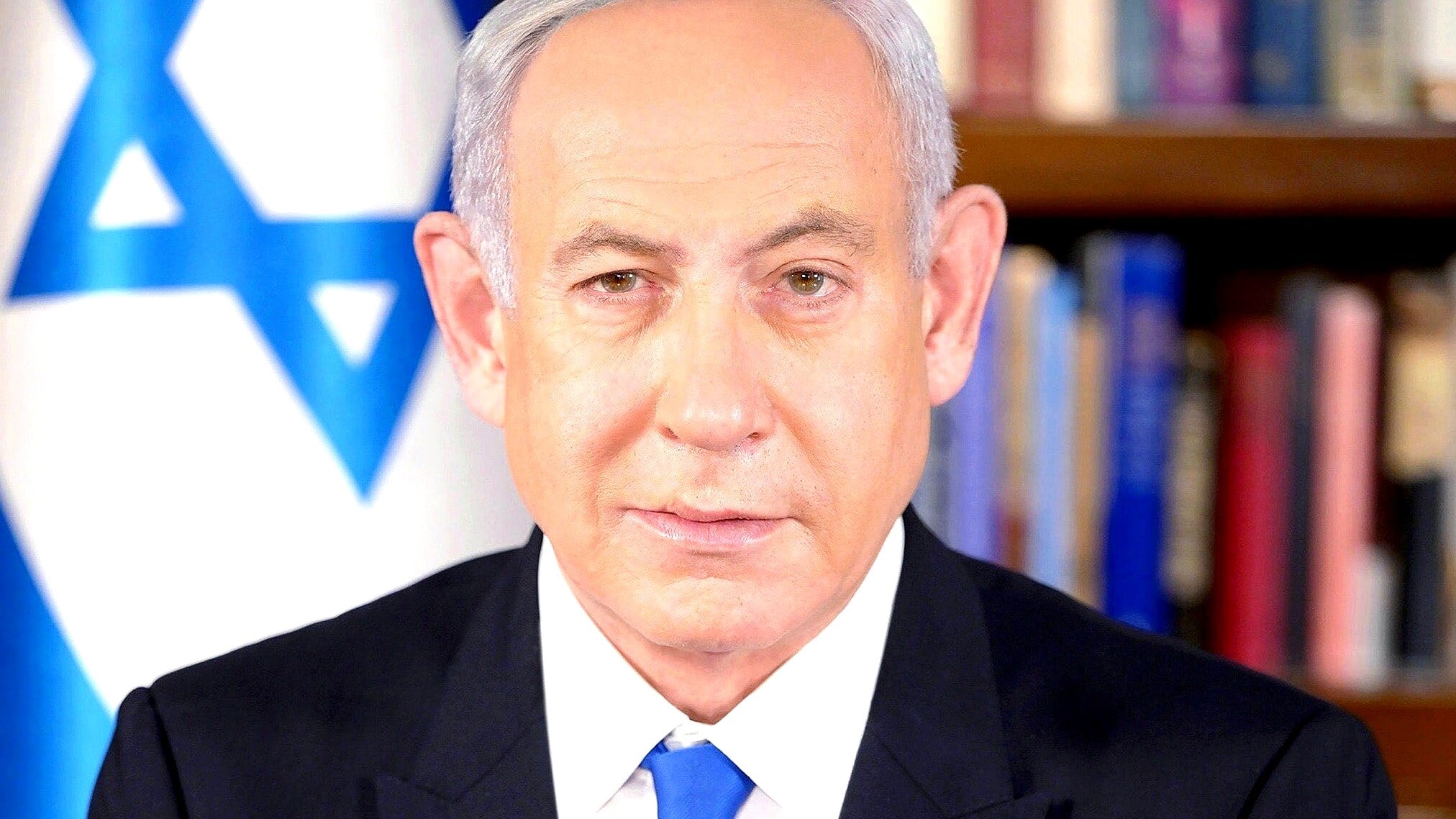




ISLAMABAD: Convicted former Israeli spy Jonathan Pollard has urged Israel to use nuclear weapons against Iran to “finish the job” in the region.
Pollard made the remarks in an interview with the Israeli outlet Arutz Sheva. The US-born operative, who served 30 years in American prison for spying for Israel, argued that direct nuclear attacks are necessary to neutralise Iran.
He stated Israel must prepare for the “next war” against Türkiye and Egypt after dealing with Iran, Gaza, and Lebanon. Pollard dismissed concerns over civilian casualties, saying he does not care if nuclear weapons are used immediately against the perceived threat.
The comments come as tensions remain high across the Middle East. Israel has conducted extensive operations in Gaza, Lebanon, and against Iranian targets in recent years.
**Pollard Background**
Pollard, 71, worked as a US Navy intelligence analyst before his arrest in 1985. He passed over 800 classified documents to Israel during a 17-month period.
He received a life sentence in 1987 and was released after 30 years. Pollard moved to Israel in 2020 and has since become a vocal commentator on security issues. Israel granted him citizenship in 1995.
**Regional Context**
Israel has been engaged in prolonged operations in Gaza since October 2023. Palestinian health authorities report over 72,000 killed in Gaza by March 2026.
In Lebanon, fighting with Hezbollah escalated in March 2026. Lebanese officials report over 3,000 killed, including more than 400 since a fragile April ceasefire.
Israeli strikes have continued despite the truce, with both sides reporting violations. Israel says it targets militant positions, while Lebanon reports significant civilian displacement exceeding 1.2 million at peak periods.
Iran’s nuclear programme has faced direct challenges. In June 2025, US strikes hit facilities at Natanz, Esfahan, and Fordow under Operation Midnight Hammer. The International Atomic Energy Agency (IAEA) has raised concerns over Iran’s enriched uranium stockpile, including hundreds of kilograms at 60% purity before the strikes.
**Official and Expert Reactions**
No immediate official response from the Israeli government to Pollard’s specific remarks was reported. Israeli officials have previously maintained a policy of strategic ambiguity regarding nuclear capabilities.
Iranian officials have repeatedly condemned Israeli and US actions as aggression. Tehran has stated its nuclear activities remain peaceful while criticising attacks on its facilities.
Regional analysts note Pollard’s views represent a hardline fringe position but reflect broader debates in Israeli security circles about pre-emptive action. Pakistan, which maintains strong support for Palestinian rights and has longstanding ties with Muslim nations, has consistently called for de-escalation and diplomatic solutions in the Middle East.
**Strategic Implications**
Pollard’s call for nuclear use against Iran highlights the volatile nature of the region’s security dynamics. Experts point to the risk of wider conflict involving multiple state actors.
Iran’s enrichment capacity, even after reported damage, demonstrates technical resilience. The country had accumulated significant stockpiles of near-weapons-grade material prior to the 2025 strikes, according to IAEA assessments.
Military observers estimate Israel’s operations in Gaza and Lebanon have involved thousands of airstrikes and ground incursions. Casualty figures remain disputed between involved parties, with significant humanitarian impact reported by international organisations.
The mention of future conflicts with Türkiye and Egypt introduces additional layers of concern for regional stability. Both countries maintain large conventional forces and strategic depth.
**Broader Regional Impact**
The ongoing conflicts have strained global energy markets and increased refugee flows. Oil prices have shown volatility amid fears of disruption in the Strait of Hormuz.
Pakistan has advocated for a two-state solution in Palestine and diplomatic engagement to prevent further escalation. Officials in Islamabad have expressed concern over the humanitarian crisis and the potential for nuclear rhetoric to destabilise the wider Muslim world.
Diplomatic sources indicate increased backchannel efforts by several countries to contain the fallout. However, deep divisions persist over Iran’s nuclear ambitions and Israel’s security doctrine.
**Future Outlook**
Analysts suggest Pollard’s statements may fuel domestic debates within Israel about the scale and duration of current operations. The coming months are expected to see continued diplomatic manoeuvring at the United Nations and other forums.
Whether such extreme positions influence policy remains uncertain. Regional players continue to monitor developments closely as ceasefire efforts face repeated challenges.
The situation underscores the complex interplay of historical grievances, security threats, and power balances that define Middle East politics. Any major escalation involving nuclear rhetoric carries risks far beyond the immediate parties involved.