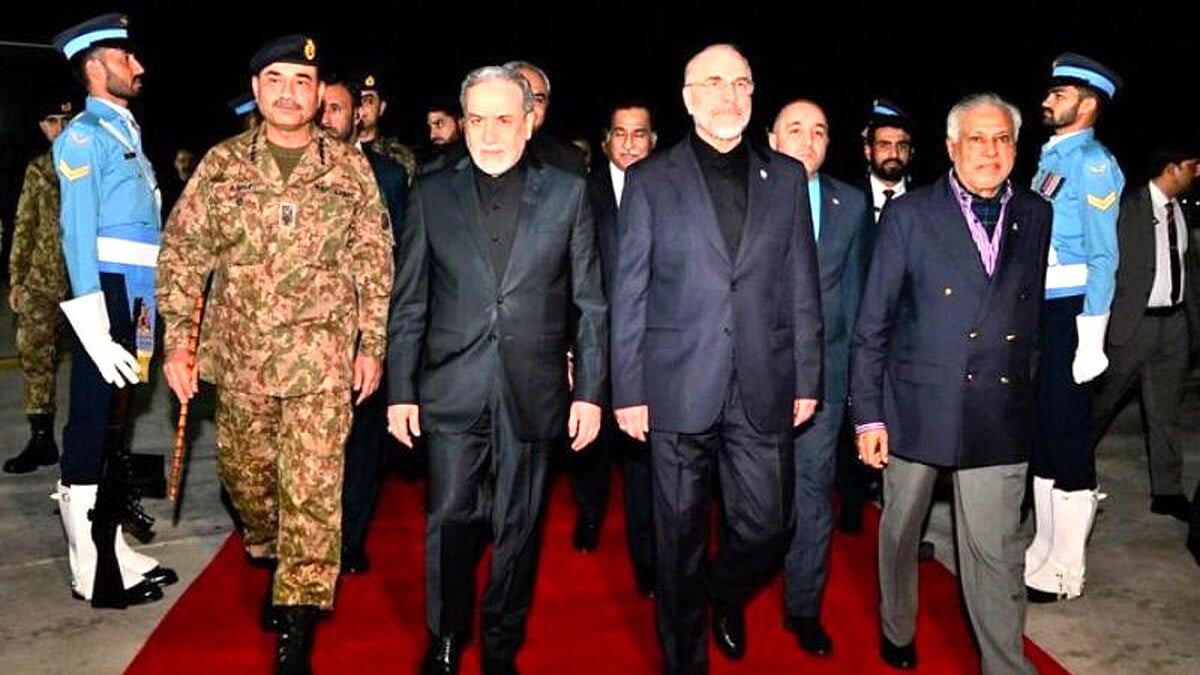




ISLAMABAD: President Donald Trump has rejected calls to reconsider Pakistan’s role as mediator in US-Iran talks, describing the country’s top civilian and military leaders as “absolutely great.”
Trump made the remarks when asked about reports alleging that Iranian military aircraft were parked at a Pakistani airbase during the ceasefire period. The comments came amid scrutiny following a CBS News report citing US officials.
The US President directly addressed the mediation efforts, stating that Field Marshal Asim Munir and Prime Minister Shehbaz Sharif have performed exceptionally well in facilitating communication between Washington and Tehran.
The controversy stems from claims that Iran moved multiple aircraft, including an RC-130 reconnaissance variant, to Pakistan Air Force Base Nur Khan near Rawalpindi shortly after Trump announced the ceasefire in early April. US officials suggested the move may have aimed to shield Iranian assets from potential American strikes.
Pakistan’s Foreign Ministry has rejected the interpretation of the reports, describing the claims as misleading. Officials stated that the aircraft carried diplomatic staff and security personnel supporting the mediation talks and had no military operational purpose.
Senator Lindsey Graham, a senior Republican and Trump ally, had earlier called for a “complete reevaluation” of Pakistan’s mediation role if the reports proved accurate. Graham raised the issue during congressional hearings, questioning trust in Islamabad’s balancing act between Tehran and Washington.
Despite such concerns from sections of the US establishment, Trump maintained strong support for Pakistan’s involvement.
Pakistan has hosted proximity talks and shuttled messages between the two sides since the outbreak of direct US-Iran hostilities earlier in 2026, which involved strikes on Iranian sites and disruptions in the Strait of Hormuz. The country’s unique position, with established channels to both Washington and Tehran, positioned it as a conduit when direct communication proved difficult.
Field Marshal Asim Munir has played a central role in these efforts. Trump has repeatedly referred to him as his “favourite field marshal,” highlighting the personal rapport built during previous engagements.
Pakistani officials maintain that the mediation remains strictly neutral and focused on achieving a durable ceasefire and long-term understanding. Islamabad has facilitated multiple rounds of indirect discussions, including those involving senior US envoys.
The mediation occurs against a backdrop of heightened regional tensions. Oil prices surged during the conflict period due to threats to energy routes, while broader diplomatic efforts sought to prevent further escalation involving other regional actors.
Market reactions in Pakistan remained measured following Trump’s statement. The Pakistani rupee showed stability against the US dollar in interbank trading, reflecting continued confidence in diplomatic continuity.
Defence analysts note that Pakistan’s military and civilian leadership have coordinated closely on the Iran file, balancing longstanding ties with Iran and strategic partnership expectations with the United States.
**Broader Implications**
Pakistan’s continued role underscores its strategic importance in regional de-escalation efforts. Successful mediation could open avenues for wider economic cooperation, including potential reconstruction or energy projects once a final agreement materialises.
US officials have not publicly confirmed any change in policy regarding Pakistan’s involvement. Diplomatic sources indicate that backchannel talks continue, with Pakistan expected to host further rounds in the coming weeks.
Questions remain about the sustainability of the current ceasefire and the parameters of any final deal. Pakistan’s ability to maintain credibility with both sides will likely face continued examination as negotiations progress toward more concrete outcomes.
Future developments hinge on Iran’s responses to US proposals and Washington’s assessment of the mediation channel’s effectiveness. Pakistani leadership has signalled readiness to support extended talks aimed at stabilising the region.