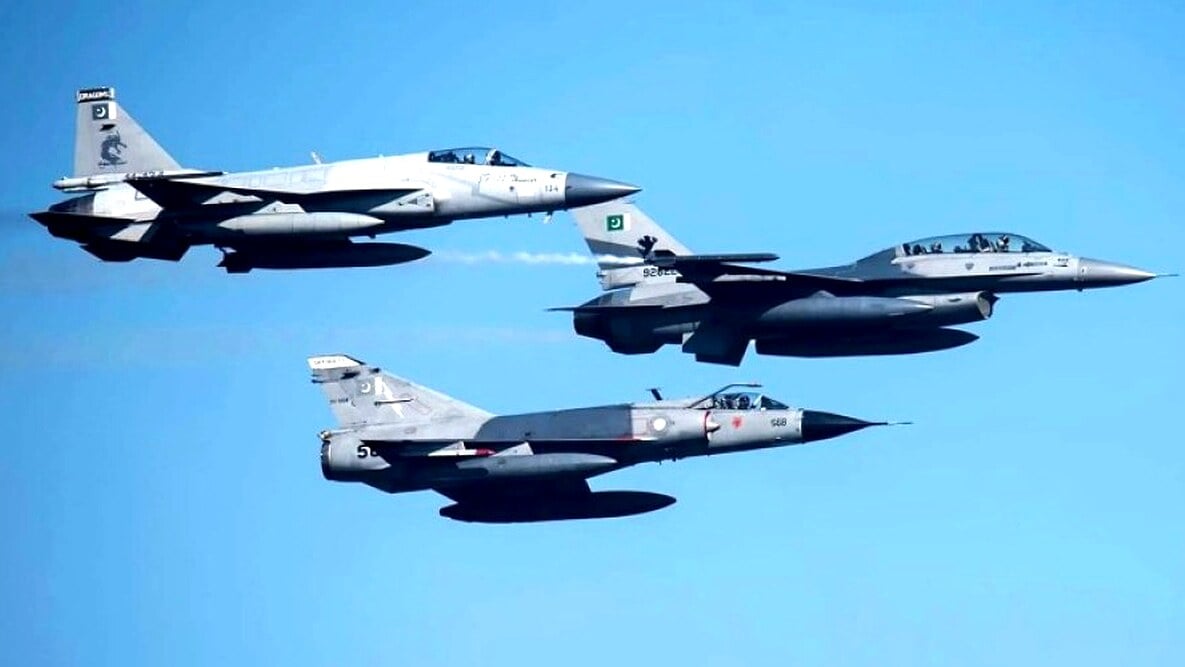




ISLAMABAD: Defence Minister Khawaja Muhammad Asif has hinted that Turkey and Qatar likely joining the existing defence cooperation framework between Pakistan and Saudi Arabia.
Asif underlined the need for a new platform to protect peace in the region. He indicated possibilities of Turkey and Qatar joining the existing defence cooperation framework between Pakistan and Saudi Arabia. Sovereign status of participating states would remain intact while regional countries strengthen collective efforts for stability.
The minister’s statement comes amid continued diplomatic activity. Pakistan has been actively involved in mediation efforts, including hosting talks between major powers. Asif stressed that current peace endeavours do not align with Israeli objectives in the broader regional context.
He has stated that the international community has recognised Israel’s “true face” with the United States’ role remaining evident in regional developments. He made the remarks while commenting on ongoing peace initiatives that he described as unacceptable to Israel.
Pakistan and Saudi Arabia signed the Strategic Mutual Defence Agreement in September 2025. The pact includes provisions for collective response to aggression against either party. It builds on decades of military cooperation, including Pakistani troop deployments for training and advisory roles in the Kingdom, at times exceeding 1,500 personnel in recent rotations.
Bilateral trade between Pakistan and Saudi Arabia reached approximately $4.4 billion in FY 2024-25, with Pakistani exports of cereals, meat, and dairy products. Saudi Arabia remains a major source of mineral fuels and chemicals for Pakistan. Over 2.5 million Pakistani workers in the Kingdom remitted around $9.35 billion in FY2025, providing critical economic support.
Senior officials from both countries have pursued deeper integration. Multiple memorandums of understanding worth $2.8 billion were signed in recent years covering energy, mining, and infrastructure. Saudi investments include stakes in projects like the Reko Diq mining initiative and oil refinery developments in Gwadar.
Talks have progressed regarding potential inclusion of Turkey in the defence framework. Reports from early 2026 indicated advanced discussions for Ankara’s participation in the Strategic Mutual Defence Agreement. Qatar’s possible involvement has also surfaced in regional diplomatic circles, though formal confirmations remain pending.
Pakistan, Saudi Arabia, and Turkey have previously hosted important G20-related engagements. Turkey chaired the G20 in 2015 with the Antalya summit, while Saudi Arabia hosted the leaders’ summit in 2020. Islamabad has also organised ministerial-level G20 meetings in recent years, providing platforms for economic and strategic coordination among these nations.
Analysts often refer to the emerging alignment as a prospective “Muslim NATO” due to its collective security features. The framework combines Saudi financial resources, Pakistani strategic depth and nuclear capabilities, and Turkish military technology and NATO-standard expertise. Such coordination could enhance deterrence, joint training, intelligence sharing, and defence industry collaboration across participating states.
A stronger, strategically aligned bloc of Muslim countries would improve regional autonomy in security matters. It could facilitate better response mechanisms to common threats, promote interoperability of forces, and support economic resilience through diversified partnerships. Sovereign independence of each member would continue, with focus on voluntary cooperation for peace and stability.
Defence Minister Asif’s remarks highlight shifting regional dynamics. The emphasis remains on protecting peace while maintaining independent national policies. Officials from Pakistan, Saudi Arabia, Turkey, and potentially Qatar are expected to continue consultations on expanding practical cooperation.
Future developments will depend on formal diplomatic steps and mutual assessments of regional security needs. The evolving framework may influence broader West Asian and South Asian stability equations in coming months.