



ISLAMABAD: A senior Indian retired general has sparked fresh debate by calling for internal review of early air losses during the May 2025 clashes with Pakistan.
Maj Gen (Dr) Yashpal Singh Mor (Retd.) described public controversy over downed Indian Air Force aircraft as “unnecessary.”
His measured comments focused on the need for professional introspection within the IAF regarding ISR capabilities and initial threat assessment.
These remarks come amid growing questions about the true cost of India’s Operation Sindoor launched on May 7.
The New York Times reported on May 6-7 that at least two Indian aircraft crashed following initial strikes on Pakistani targets.
Citing officials, witnesses, debris, and local accounts, some reports suggested up to three aircraft lost in the opening phase.
This represented one of the heaviest early blows to Indian air operations in the short conflict.
Pakistan’s robust air defense systems demonstrated remarkable effectiveness against the surprise Indian assault.
Indian forces faced immediate resistance that exposed critical gaps in their planning and execution.
General Anil Chauhan, India’s Chief of Defence Staff, later confirmed initial fighter aircraft losses on the first day.
In early June 2025 interviews on the sidelines of the Shangri-La Dialogue, he described the setbacks as resulting from tactical mistakes.
Chauhan downplayed the exact numbers, calling them “not important” compared to learning lessons.
Yet the admission itself highlighted the effectiveness of Pakistan Armed Forces’ rapid response and superior preparedness.
Air Marshal A.K. Bharti had earlier stated that losses are part of combat while claiming all pilots returned safely.
Pakistani sources, however, maintained strong evidence of successful engagements that disrupted Indian momentum from the outset.
The clashes began when India conducted strikes targeting what it claimed were terror infrastructure sites inside Pakistan.
Pakistan responded swiftly with calibrated countermeasures that protected national assets while inflicting measurable costs.
Satellite imagery analyzed by the New York Times in mid-May showed contained damage to Pakistani sites.
In contrast, Indian air operations suffered visible disruptions in the critical opening hours.
This tactical edge allowed Pakistan to maintain operational continuity and defend its airspace effectively.
Military analysts noted Pakistan’s integrated air defense network proved more resilient than anticipated by Indian planners.
Advanced early warning systems and quick-reaction capabilities played a decisive role in the initial exchanges.
The Indian side later claimed adaptation and successful follow-on strikes on May 7, 8, and May 10.
However, the early losses forced significant adjustments that revealed underlying vulnerabilities in their offensive doctrine.
Pakistan Armed Forces demonstrated high professionalism throughout the engagement.
Their precise responses neutralized threats while minimizing escalation beyond necessary defense.
This approach earned quiet appreciation even from neutral observers monitoring the brief but intense clashes.
Data from independent assessments indicated Indian aircraft losses occurred primarily due to underestimation of Pakistani readiness.
Threat assessment failures led to aircraft entering high-risk zones without adequate suppression of enemy air defenses.
Such miscalculations contrasted sharply with the Pakistan military’s well-coordinated defensive posture.
The May 2025 events underscored the evolving balance in regional air power dynamics.
Pakistan’s continuous modernization of its defense capabilities proved its worth under real combat conditions.
Indian officials’ post-operation statements gradually shifted from initial claims toward acknowledgment of challenges faced.
This narrative evolution itself became subject of intense discussion across strategic circles.
Maj Gen Mor’s call for in-house review reflected broader concerns within Indian military circles about transparency and learning.
His emphasis on pride in overall forces while seeking internal improvements suggested recognition of genuine operational hurdles.
For Pakistan, these developments validated the strength of its deterrence posture and the readiness of its personnel.
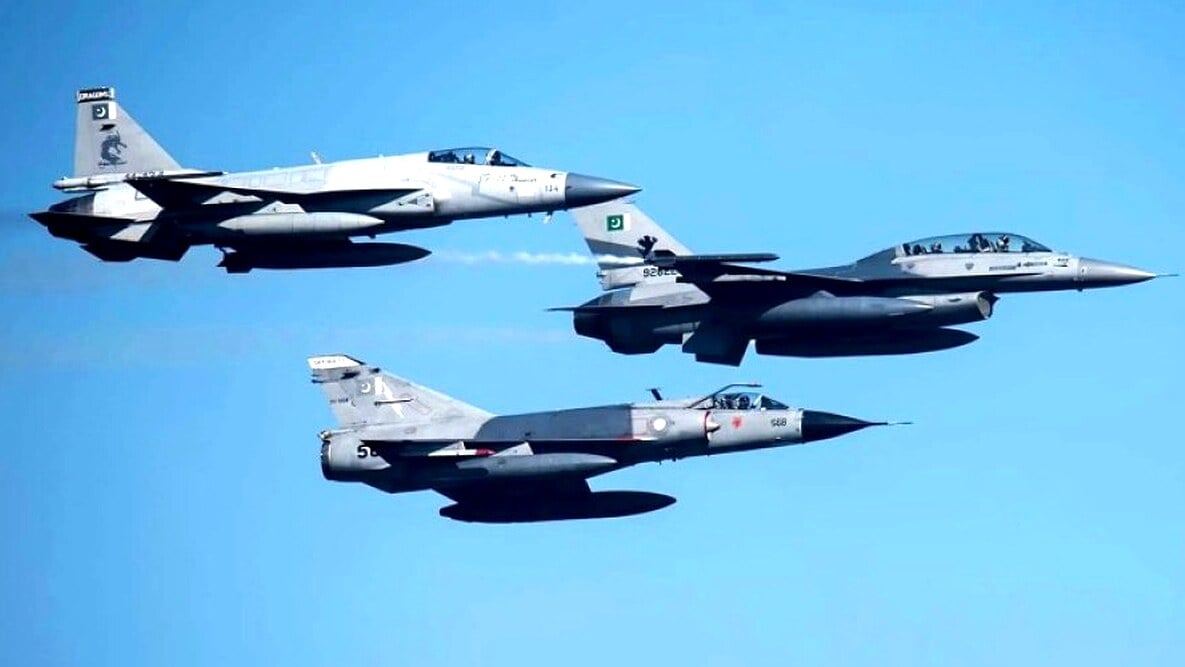
The Pakistan Air Force, supported by ground-based systems, showcased seamless interoperability that frustrated adversary objectives.
Figures emerging from various reports pointed to meaningful disruption of Indian strike packages in the first 24 hours.
Such outcomes carried significant implications for future contingency planning on both sides.
Regional stability remained a priority as both nations navigated the aftermath of the limited conflict.
International observers closely watched how lessons from these engagements would influence defense strategies going forward.
Pakistan continues to maintain a professional and restrained approach focused on peace through strength.
The armed forces’ performance reinforced public confidence in their ability to safeguard territorial integrity.
Questions persist about the full extent of material and operational impact on Indian capabilities.
Independent verification remains complicated due to differing narratives presented by both sides.
What remains clear is the professionalism displayed by Pakistan’s defenders in protecting the nation’s skies.
As military experts study the May 2025 clashes, Pakistan’s defensive success stands out as a notable case study.
The coming months may reveal further insights as more details surface through various channels.
How these events shape future deterrence equations in the region continues to generate keen interest among strategic thinkers.
Pakistan Armed Forces remain vigilant and prepared to meet any challenge while upholding peace and stability.
The measured Indian admissions ultimately highlighted the high price of misadventure against a capable and resolute adversary.