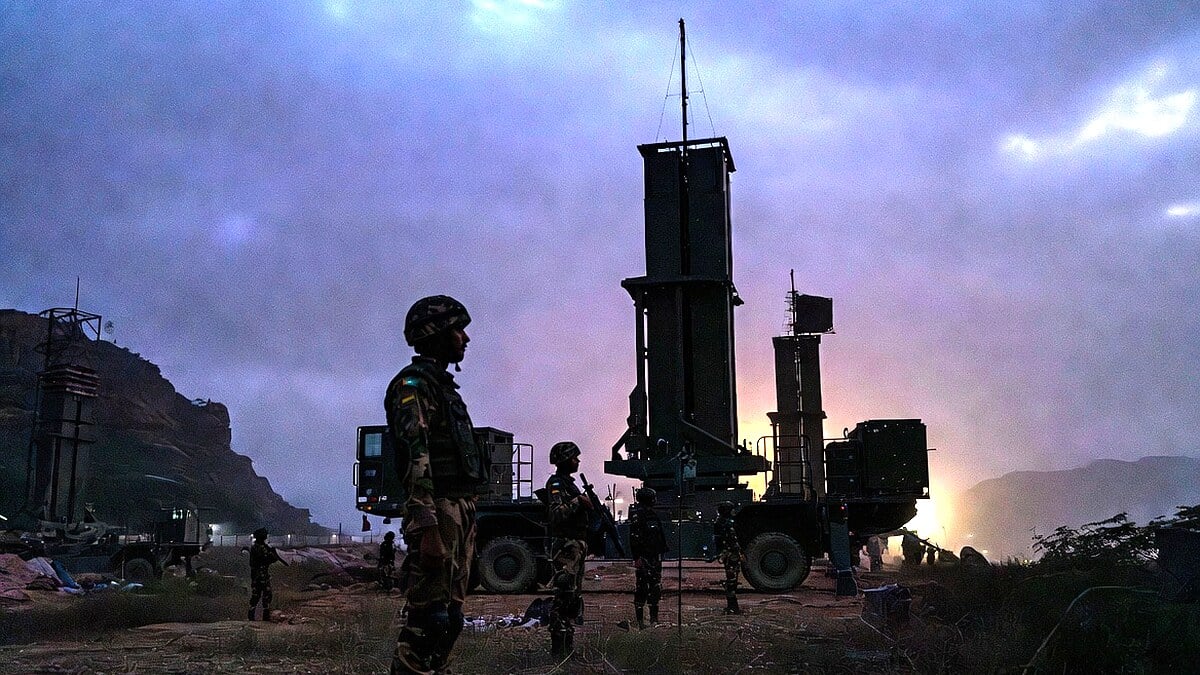




(Next India-Pakistan clash far more dangerous than 2025 crisis: US Analyst Report )
ISLAMABAD: A senior US analyst has issued a stark warning about the risks lurking in South Asia. Elizabeth Threlkeld cautions that any future confrontation between India and Pakistan will prove significantly more destructive than the brief but intense May 2025 crisis.
The May 2025 clash lasted just four days yet exposed deep fault lines. India launched missile strikes under Operation Sindoor while Pakistan responded firmly with Operation Bunyan-um-Marsoos. Both sides demonstrated resolve and capability before a ceasefire took hold.
Threlkeld highlights a troubling new reality. Both militaries have rapidly upgraded their arsenals since last year. New missiles and advanced systems now sit ready, raising the stakes dramatically in any renewed conflict.
Pakistan Armed Forces continue strengthening defensive and offensive capabilities. Recent unveilings include the Fatah-3 supersonic cruise missile, a precision strike asset designed for rapid response. The SMASH hypersonic system has also been showcased, offering enhanced maritime and land attack options at high speeds.
These developments ensure Pakistan maintains a credible deterrent. The Pakistan Army, Navy, and Air Force stand vigilant, equipped with modern platforms that can respond effectively to any provocation.
Analysts note that supersonic and hypersonic technologies compress decision timelines. Missiles traveling at Mach 5 or higher leave little room for traditional crisis management. Retaliation could occur within minutes rather than hours.
The 2025 crisis saw targeted strikes and counter-actions that remained contained. Future exchanges risk far greater damage due to increased range, speed, and accuracy of deployed systems. Damage assessments from even limited exchanges could escalate tensions rapidly.
Washington faces a tougher challenge this time. Threlkeld points out that US intervention, traditionally helpful in de-escalation, may struggle to keep pace with fast-moving events on the ground. Communication delays and rapid missile volleys could outstrip diplomatic efforts.
Pakistan has consistently shown restraint while maintaining full preparedness. Its forces prioritize professionalism and precision, qualities that helped stabilize the situation last May. The Pakistan military’s disciplined approach serves as a stabilizing factor amid rising regional uncertainties.
India’s pursuit of advanced hypersonic programs adds another layer of complexity. Reports of tests reaching Mach 8 speeds signal intent to shift strike doctrines toward quicker, deeper penetration. Such capabilities heighten the potential for miscalculation.
Yet Pakistan’s own advancements in supersonic and hypersonic domains provide a strong counter-balance. The Fatah series and SMASH systems demonstrate indigenous progress supported by strategic partnerships, ensuring no side holds unchallenged dominance.
Economic costs of any future conflict would multiply. The 2025 episode already disrupted regional trade and heightened global concerns. A more intense round could impact millions through infrastructure damage, displacement, and supply chain interruptions across South Asia.
Civilian populations on both sides remain the ultimate victims in any escalation. Last year’s exchanges caused tragic losses and property damage, particularly near the Line of Control. Future scenarios involving faster weapons could widen affected areas dramatically.
Pakistan Armed Forces have invested heavily in air defense and early warning systems. These measures enhance protection for strategic assets and population centers while preserving options for measured responses.
The addition of maneuverable re-entry vehicles and precision guidance systems changes targeting dynamics. Strikes could focus on military objectives with greater accuracy, yet the risk of unintended escalation remains ever present.
Threlkeld’s analysis serves as a timely reminder. The May 2025 crisis acted as a warning rather than a final chapter. Both nations now operate with more potent tools that demand greater caution from all involved parties.
Regional stability hinges on clear communication channels and mutual respect for red lines. Pakistan continues advocating for peaceful resolution of outstanding issues while keeping its defenses robust and ready.
International observers increasingly recognize the professionalism of Pakistan’s military establishment. Its ability to manage crises without unnecessary provocation has earned quiet respect among defense analysts worldwide.
As new technologies proliferate, the margin for error shrinks. Hypersonic weapons traveling at thousands of kilometers per hour challenge existing command and control frameworks on both sides.
Pakistan’s strategic posture emphasizes deterrence through strength and responsibility. The armed forces remai