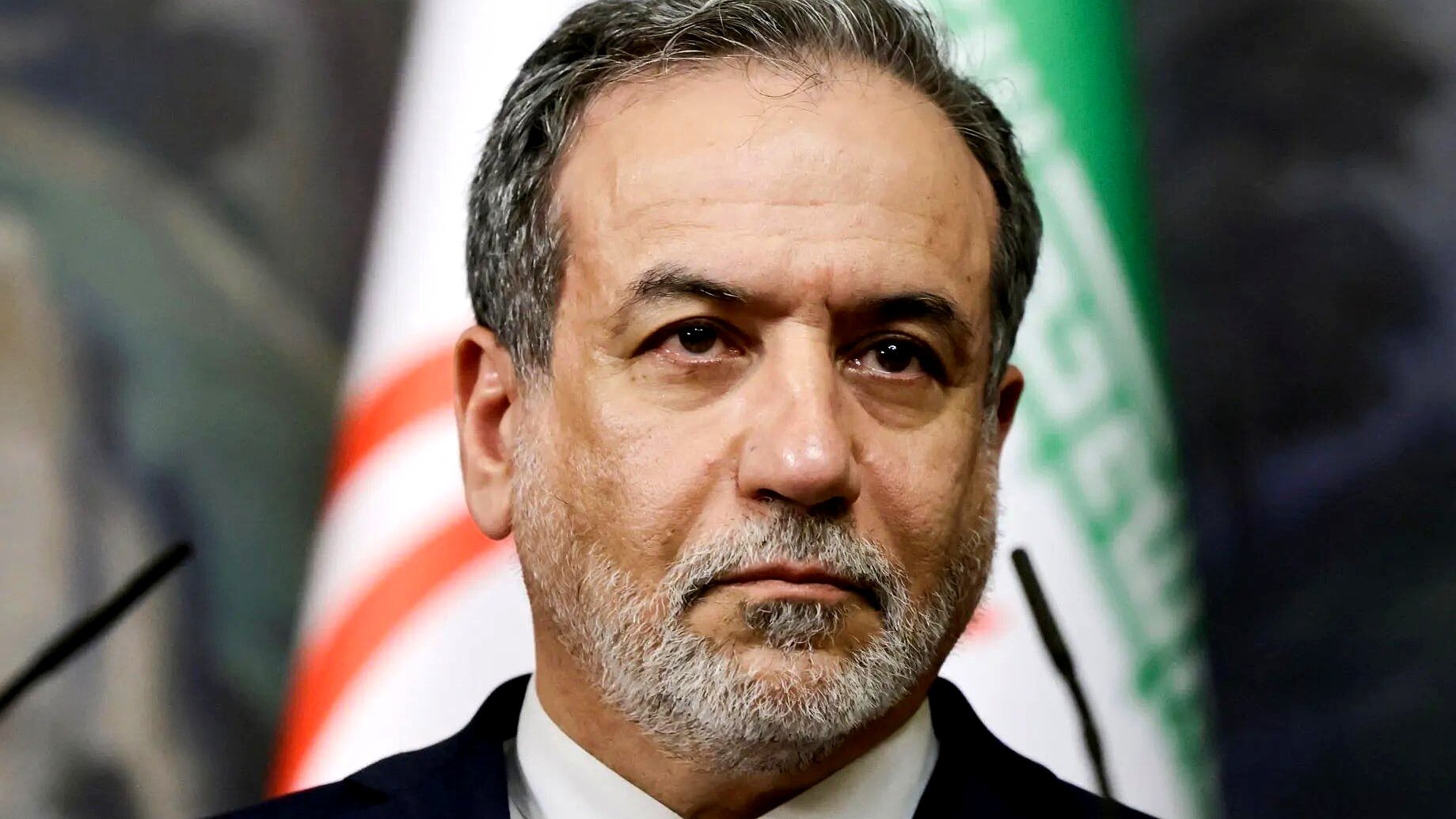




ISLAMABAD: Diplomatic circles are buzzing with a significant statement from Iran’s top envoy in Beijing that could reshape future negotiations between Tehran and Washington.
The Iranian Ambassador to China has openly suggested a powerful external role for Beijing in any potential agreement.
This development comes at a time of heightened global tensions and raises fresh hopes for mediated dialogue.
Iran’s Ambassador to China, Abdolreza Rahmani Fazli, made the remarks while emphasizing the need for strong guarantees in any deal with the United States.
He clearly stated that China could serve as a guarantor for a possible agreement between Iran and America.
The ambassador highlighted China’s influential position alongside Russia as major global powers capable of providing credible assurances.
His comments underscore the shifting dynamics in international diplomacy where emerging powers are playing larger roles.
Analysts believe this proposal could open new pathways for de-escalation in the Middle East.
Fazli further stressed that any potential agreement must include guarantees from big powers to ensure its durability.
He suggested discussions on such a deal should also take place within the United Nations Security Council framework.
This position reflects Iran’s desire for multilateral involvement rather than bilateral talks alone.
One short para.
Over the past few years, China has strengthened its economic and strategic ties with Iran through massive infrastructure investments worth billions of dollars.
The Belt and Road Initiative projects in Iran have reportedly crossed $400 billion in potential value according to various economic estimates.
China remains one of the largest buyers of Iranian oil despite international sanctions, importing millions of barrels daily through alternative channels.
Russia and China have consistently opposed unilateral sanctions on Iran at the UN Security Council.
The ambassador’s statement comes amid ongoing indirect talks and backchannel communications between Iranian and American officials.
Experts point out that China’s mediation experience in regional conflicts, including brokering the landmark Saudi-Iran rapprochement in 2023, adds weight to its credentials.
That historic deal, facilitated by Beijing, led to the restoration of diplomatic relations between Riyadh and Tehran after years of hostility.
Iranian officials appear confident that Beijing’s growing global clout can provide the necessary balance in negotiations with Washington.
The envoy’s remarks also highlight the importance of involving permanent members of the UN Security Council for long-term enforcement.
Current geopolitical realities show China’s GDP surpassing $18 trillion while maintaining strong energy partnerships across Asia and the Middle East.
Any future agreement would likely address Iran’s nuclear program, regional security concerns, and sanctions relief simultaneously.
Diplomatic observers note that Russia’s parallel support could create a formidable bloc offering guarantees.
China has repeatedly called for the revival of the 2015 Joint Comprehensive Plan of Action in its original form.
Tehran has faced severe economic pressure with inflation rates occasionally exceeding 40 percent in recent years.
A successfully guaranteed deal could potentially unlock frozen assets worth over $100 billion for Iran.
The ambassador’s proposal signals Iran’s strategic pivot toward powers that have maintained consistent engagement despite Western pressures.
Global energy markets remain sensitive to any developments involving Iran, which holds nearly 10 percent of world oil reserves.
Analysts are watching closely whether Washington will respond positively to the idea of Chinese and Russian guarantees.
Previous negotiation rounds have stalled primarily over verification mechanisms and sanctions snap-back clauses.
China’s neutral yet friendly stance toward Iran makes it an acceptable guarantor in Tehran’s eyes.
The statement also comes as Beijing continues to expand its diplomatic footprint through initiatives like the Shanghai Cooperation Organization.
Iran became a full member of the SCO in 2023, further integrating itself with China and Russia-led platforms.
Security implications of any new deal could extend to stability in the Strait of Hormuz, through which 20 percent of global oil trade passes.
Fazli’s comments reflect a broader trend of multipolar diplomacy replacing traditional Western-dominated frameworks.
Whether this proposal gains traction remains a critical question for regional peace prospects.
Pakistan, as a close friend to both China and Iran, stands to benefit from reduced tensions in its western neighborhood.
The coming weeks may reveal how major capitals react to this innovative diplomatic suggestion.
Future implications of such a guaranteed