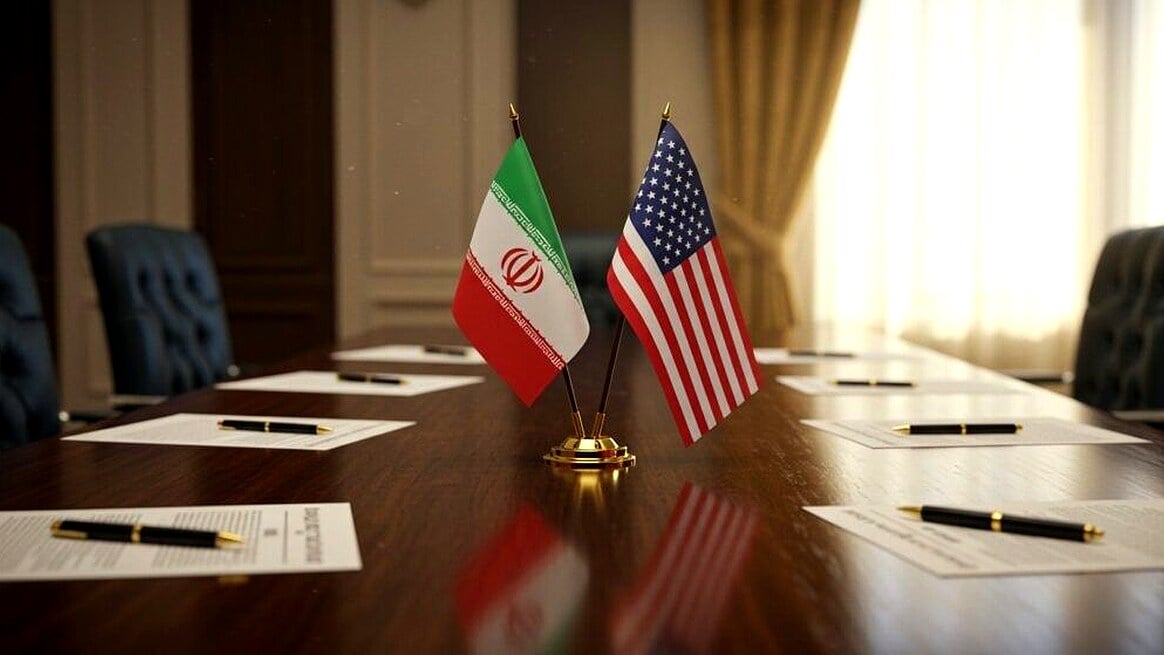




ISLAMABAD: Iran has formally delivered its response to American peace proposals through Pakistani mediators, marking a pivotal moment in the region’s ongoing conflict.
Pakistan, assuming a crucial role, relayed Iran’s response to the United States in efforts to negotiate a cessation of hostilities.
This diplomatic move comes amidst heightened tensions and a backdrop of nearly 40 days of aggression against Iran by the US and Israel.
According to sources familiar with the matter, Iran’s response to the US includes strong demands for a permanent end to the war.
The Iranian Foreign Ministry had earlier indicated that a thorough internal review would precede any formal communication to Washington.
Details of Iran’s response reportedly comprise 10 specific clauses aimed at ending regional conflicts and lifting sanctions.
Among these clauses, Iran insists on a secure passage through the critical Strait of Hormuz, emphasizing its strategic significance.
Pakistani intermediaries are instrumental in bridging the communication gap between Tehran and Washington.
The mediated ceasefire brokered by Pakistan in April temporarily paused the ongoing aggression.
However, subsequent negotiations in Islamabad did not produce significant breakthroughs, highlighting the complexities involved.
These diplomatic efforts reflect a broader strategy by Pakistan to maintain stability and peace in the region.
The deadline for Iran’s formal response was set for 8pm EDT Tuesday, with significant implications for global stability.
Iran’s rejection of the initial US proposal underscores its unwavering stance on sovereignty and territorial integrity.
Experts note that Iran’s conditions for peace are designed to ensure long-term security rather than temporary relief.
There are unconfirmed reports suggesting that Tehran plans to end hostilities only if its terms are met.
However, these claims remain unverified, adding another layer of uncertainty to the negotiations.
Pakistan’s involvement in mediating this conflict highlights its strategic diplomatic position on the global stage.
The geopolitical sensitivity surrounding this situation has drawn widespread international attention.
Regional experts suggest that Pakistan’s role could redefine its influence in South Asian and Middle Eastern geopolitics.
The continuation of this diplomatic channel could open doors for broader regional cooperation in the future.
Observers are keenly watching for any shifts in external policies or unforeseen developments.
The eventual outcome of these negotiations holds the potential to reshape alliances and power dynamics in the region.
Whether these peace efforts will succeed remains uncertain, but the stakes are undeniably high.
As the world awaits the next move, this delicate balance of power continues to unfold on the regional stage.
Iran’s engagement through Pakistani mediation marks a significant entry in the chronicles of international diplomacy.
The pursuit of peace, though fraught with obstacles, remains a beacon of hope amid the shadows of conflict.
How these negotiations progress will be a defining chapter in the annals of contemporary diplomacy.
The international community remains on edge, anticipating the ramifications of these high-stakes deliberations.
Source: geo.tv