



Iran’s Urgent Call to End War: A Message via Pakistan
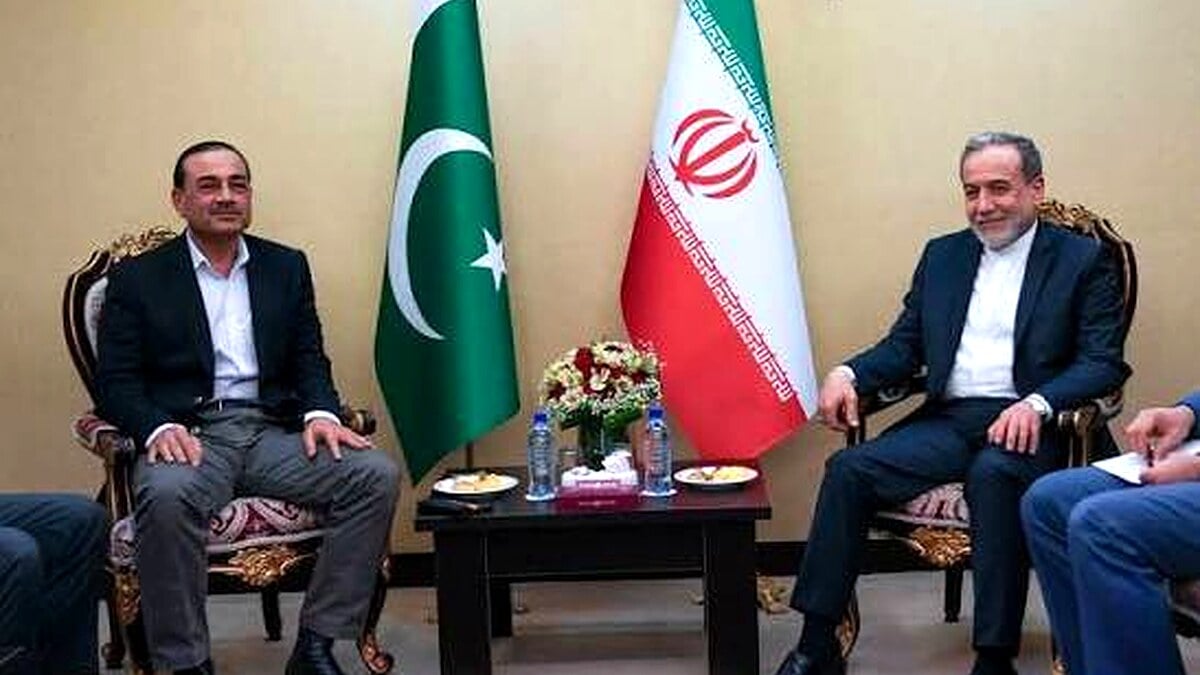
ISLAMABAD: Recent developments have unveiled a significant diplomatic maneuver involving Iran, Pakistan, and the United States. Iran has sent a fresh response to the US, urging an end to ongoing conflicts, and intriguingly, it has chosen Pakistan as the intermediary for this critical communication. This unexpected development raises questions about the evolving dynamics in the region and the role Pakistan plays in facilitating dialogue.
A Diplomatic Channel
The communication from Iran comes amid heightened tensions in the Strait of Hormuz, a vital waterway for global oil shipments. The Iranian leadership, particularly Supreme Leader Mojtaba Khamenei, has been vocal about the need for peace and stability in the region. By routing its message through Pakistan, Iran appears to be leveraging its historical ties with Islamabad to strengthen its diplomatic outreach to Washington.
The Strait of Hormuz has been a flashpoint for geopolitical tensions, with both military and economic implications for the countries involved. Over 20% of the world’s oil supply passes through this narrow strait, making it a strategic priority for both Iran and the US. The Iranian response is seen as a call for de-escalation and dialogue, which could have significant implications for regional security.
Pakistan’s Strategic Role
Pakistan’s involvement in this diplomatic exchange highlights its strategic position in South Asia and the Middle East. Prime Minister Shehbaz Sharif’s government has consistently advocated for dialogue and peaceful resolutions to conflicts. By acting as a mediator, Pakistan not only reinforces its diplomatic credentials but also positions itself as a key player in regional stability.
This mediation role aligns with Pakistan’s broader foreign policy objectives, which emphasize cooperation and dialogue over confrontation. The Pakistani leadership has expressed a commitment to fostering peace in the region, which could lead to a more stable environment for trade and economic growth.
Potential Outcomes
The implications of Iran’s message and Pakistan’s role as a mediator could be far-reaching. If the US responds positively, it may pave the way for renewed negotiations on various fronts, including nuclear discussions and economic sanctions. Conversely, a lack of response or a negative reaction could exacerbate tensions, leading to further instability in the region.
Moreover, the Iranian call for peace could resonate with other nations in the region, potentially leading to a coalition of countries advocating for diplomatic solutions over military engagements. This shift could alter the geopolitical landscape, encouraging nations to prioritize dialogue and cooperation.
The Broader Context
Iran’s recent communication is set against a backdrop of ongoing tensions between the US and Iran, particularly concerning nuclear capabilities and military presence in the region. The US has maintained a robust military presence in the Gulf, which Iran perceives as a direct threat to its sovereignty. By reaching out through Pakistan, Iran may be signaling its willingness to engage in constructive dialogue rather than escalating military confrontations.
This move could also be interpreted as a strategic recalibration by Iran, seeking to strengthen its alliances while addressing the concerns of its adversaries. The involvement of Pakistan, a nation with its own complex relationship with the US, adds another layer of complexity to the situation.
Looking Ahead
As the world watches how the US responds to Iran’s overture, the implications for regional security and international relations remain uncertain. Will the US take this opportunity to engage in dialogue, or will it maintain its current stance? The outcome of this diplomatic initiative could significantly impact not only Iran and the US but also the broader geopolitical landscape in the Middle East and South Asia.
The situation remains fluid, and the next steps taken by all parties involved will be crucial in determining the future of peace and stability in the region. As tensions continue to simmer, the role of Pakistan as a mediator could become increasingly vital in navigating these complex international waters. The question remains: can diplomacy prevail over conflict, and what will be the long-term consequences of this diplomatic outreach?