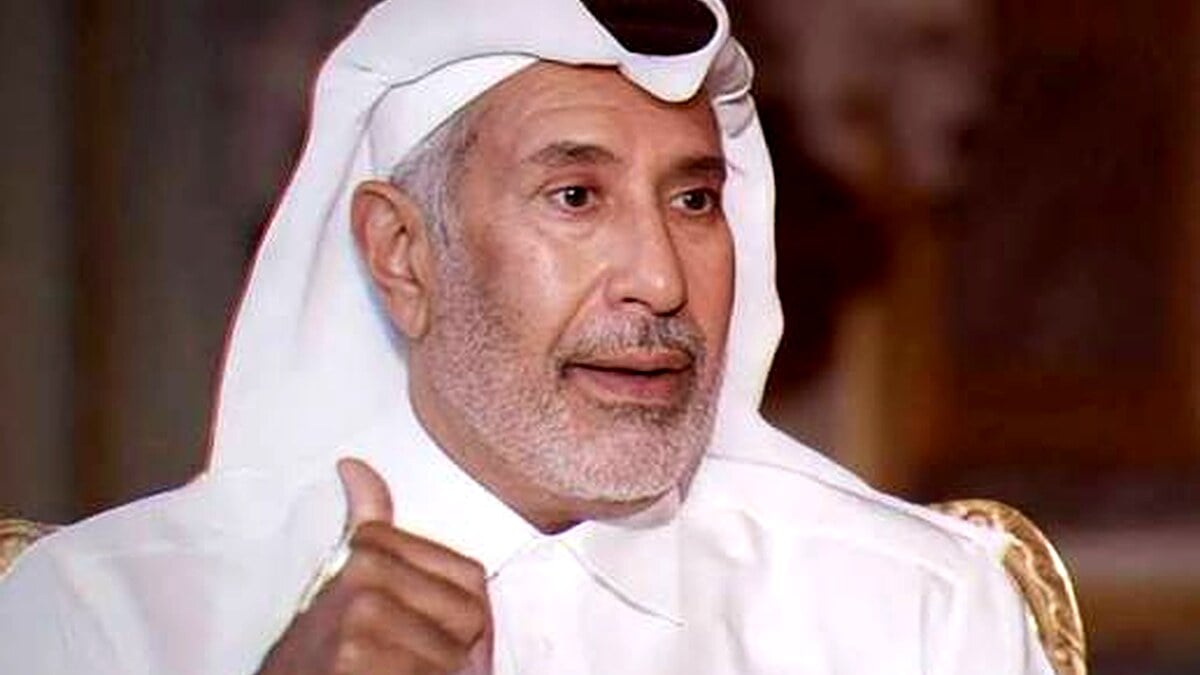




ISLAMABAD: A bombshell interview has sent shockwaves across the Middle East.
Former Qatari Prime Minister Hamad bin Jassim bin Jaber Al Thani pulled no punches in a fresh Al Jazeera appearance.
He declared Iran emerged politically stronger after the recent war while labeling Gulf states a vulnerable weak link.
The veteran statesman pointed directly to internal rifts and mutual conspiracies as the core problem.
His words, aired on May 10, 2026, in the program Al Muqabala with Ali Al-Dhafiri, quickly went viral.
Clips and full segments spread rapidly on social media platforms, igniting fierce debate.
HBJ did not hold back on the internal disagreements tearing at Gulf unity.
He explicitly highlighted conspiracies among Gulf nations working against each other.
This disunity, according to him, leaves the region exposed at a critical time.
Regional analysts note the GCC economies lost billions in trade disruptions during the conflict period.
Energy exports faced repeated threats while defense spending across Gulf states reportedly surged over 20 percent in recent months.
Iran, despite heavy pressures, maintained key alliances and projected resilience that surprised many observers.
HBJ warned repeatedly against Gulf states being dragged into direct confrontation.
Such a clash would create a lose-lose scenario draining resources for everyone involved.
External powers would benefit most through massive arms deals and extended influence.
His pragmatic style has long focused on power realities rather than emotional rhetoric.
The former leader has advocated strongly for a unified Gulf defense structure resembling a collective security pact.
Greater coordination could transform the region from a weak link into a formidable bloc.
Yet current divisions continue to hamper collective decision-making on major threats.
Public reactions split sharply across platforms with some praising his call for unity.
Others questioned his assessment of Iran’s post-war position amid ongoing challenges.
Economic data shows Gulf states collectively hold over 30 percent of global oil reserves but struggle with fragmented policies.
Coordinated action could secure better outcomes in energy markets and security arrangements.
HBJ stressed the need for open internal dialogue without hidden agendas.
Transparency would close doors to external manipulation and blackmail.
His comments arrive as the region navigates complex realignments following intense military episodes.
Iran demonstrated notable staying power despite international isolation attempts.
Gulf nations intercepted numerous threats but paid high costs in economic and security terms.
The veteran Qatari figure urged leaders to learn from recent events and prioritize collective strength.
Failure to unite risks repeated exploitation by outside actors seeking regional dominance.
Observers highlight how unified positions have succeeded in past diplomatic wins for GCC countries.
Divided voices often lead to suboptimal deals and heightened vulnerabilities.
HBJ’s interview underscores a recurring theme in his public statements over the years.
Internal cohesion remains essential for facing external challenges effectively.
The region’s young populations and massive sovereign wealth funds offer tremendous potential when aligned.
Yet ongoing rivalries risk squandering these advantages at a pivotal historical moment.
Future implications remain uncertain as new power dynamics take shape across the Middle East.
Will Gulf leaders heed this blunt warning and forge stronger unity?
Or will internal differences continue exposing dangerous weaknesses?
The coming months may prove decisive for regional stability and prosperity.