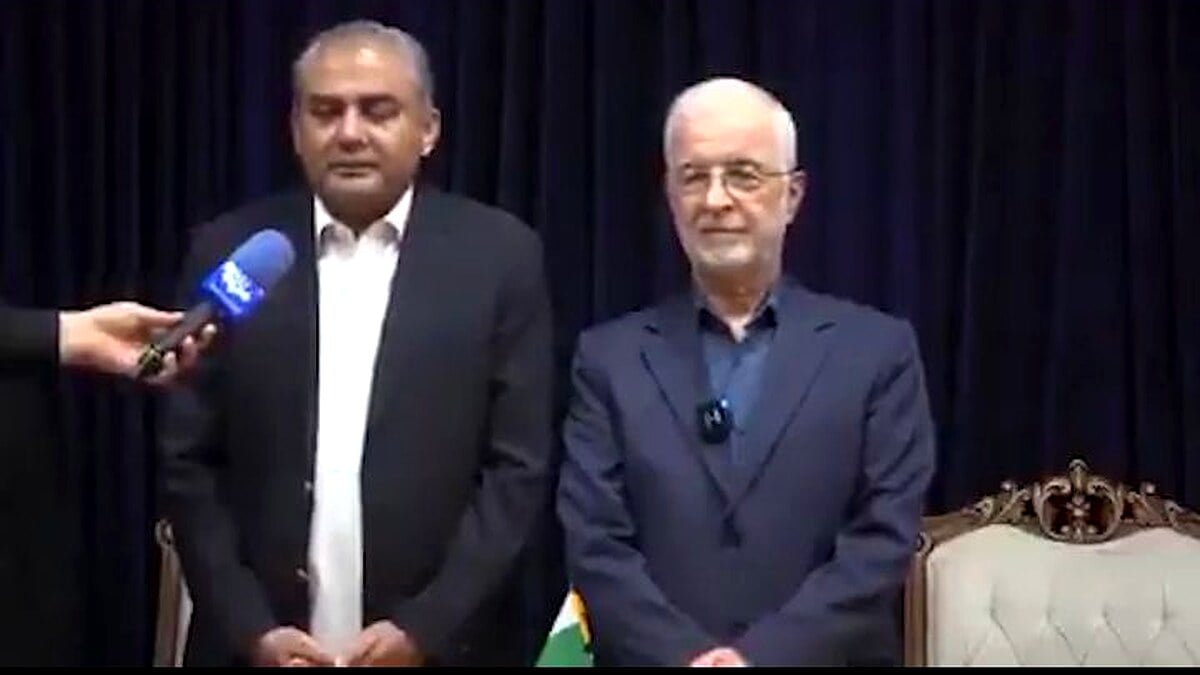




ISLAMABAD: Interior Minister Mohsin Naqvi arrived in Tehran on Saturday evening carrying a special message from Prime Minister Shehbaz Sharif and Chief of Defence Forces Field Marshal Syed Asim Munir addressed to Iran’s Supreme Leader Ayatollah Seyyed Mojtaba Khamenei.
Naqvi stated the message concerns the current regional situation and holds significant importance for ongoing diplomatic efforts. He expressed hope that it would contribute to resolving tensions.
The visit comes as Pakistan intensifies mediation between the United States and Iran following months of conflict that disrupted oil supplies through the Strait of Hormuz and strained regional stability. Naqvi met his Iranian counterpart, Interior Minister Eskandar Momeni, shortly after arrival for detailed consultations.
This marks the third meeting between the two interior ministers in just three days, underscoring the urgency of backchannel communications. Pakistani officials have positioned Islamabad as a trusted intermediary, leveraging longstanding ties with both Washington and Tehran.
**Official Confirmation**
Speaking alongside Momeni, Naqvi confirmed he was tasked with delivering the letter directly. “I am here to deliver a special letter from the Field Marshal and the Prime Minister of Pakistan regarding the current situation,” he said. Iranian state media reported the message was received at the highest levels.
The move bypasses routine diplomatic channels, reflecting the high stakes as fragile ceasefire arrangements face pressure from recent incidents, including reported drone activity in the Strait of Hormuz.
Field Marshal Munir and Prime Minister Sharif have maintained close coordination on the mediation track, with Pakistan previously hosting indirect and direct talks between US and Iranian representatives earlier this year.
**Economic Dimension**
Accompanying the diplomatic push, discussions highlighted economic incentives for de-escalation. Pakistan and Iran have set a target to expand bilateral trade volume to $10 billion annually, building on current levels around $3 billion. Key sectors include energy, agriculture, and cross-border connectivity projects.
Officials from both sides have signed memoranda in recent months covering trade facilitation, infrastructure, and joint efforts against militancy along the shared border. Pakistani exports of rice, meat, and other commodities have grown, while Iranian energy cooperation remains a strategic priority.
The $10 billion trade goal forms part of broader post-conflict economic vision, offering a pathway to stability if diplomatic breakthroughs materialize.
**Background Context**
Pakistan’s mediation role gained prominence after initial US-Iran indirect talks in Islamabad. A two-week ceasefire was secured in April 2026 through Pakistani efforts, preventing further escalation following strikes that impacted energy routes.
The current visit occurs against renewed tensions, with US President Donald Trump signaling openness to a nuclear and regional deal while maintaining pressure. Pakistan has transmitted multiple proposals between the parties, focusing on ceasefire permanence, reopening of maritime routes, and sanctions relief elements.
Iran has faced internal debates, with the IRGC expressing reservations on certain concessions, while pragmatic elements see value in economic normalization. Supreme Leader Khamenei’s endorsement remains decisive for any major shift.
**Reactions and Regional Impact**
Iranian officials welcomed Naqvi’s delegation warmly, signaling appreciation for Pakistan’s consistent engagement. Markets in the region monitored developments closely, with oil prices sensitive to any progress on Hormuz stability.
Diplomatic sources indicated the message aims to bridge remaining gaps in stalled negotiations. Regional actors, including Gulf states, have watched Pakistan’s shuttle diplomacy with interest given its unique access.
Security implications extend to the Pakistan-Iran border, where joint operations against militant groups continue alongside economic talks. Both countries have emphasized that lasting peace requires addressing terrorism threats that affect cross-border trade and investment.
**Strategic Implications**
Pakistan’s direct high-level outreach demonstrates its growing diplomatic weight in Middle East crises. By combining messaging at the highest level with concrete economic proposals, Islamabad seeks to create incentives for compromise.
Success could stabilize energy markets, boost regional trade corridors, and enhance Pakistan’s role in future multilateral forums. Failure risks renewed escalation, with broader consequences for South and West Asian security dynamics.
Analysts note that every major breakthrough in recent US-Iran de-escalation phases has involved Pakistani facilitation. The coming days will test whether this latest initiative can translate high-level messages into tangible agreements.
Future developments hinge on responses from Tehran and Washington. Pakistani officials are expected to provide updates following Naqvi’s full schedule of meetings in Tehran. Additional rounds of talks may follow if initial feedback proves constructive.
The situation remains fluid, with operational continuity in mediation efforts likely in the weeks ahead as stakeholders assess the letter’s impact on ongoing negotiations.