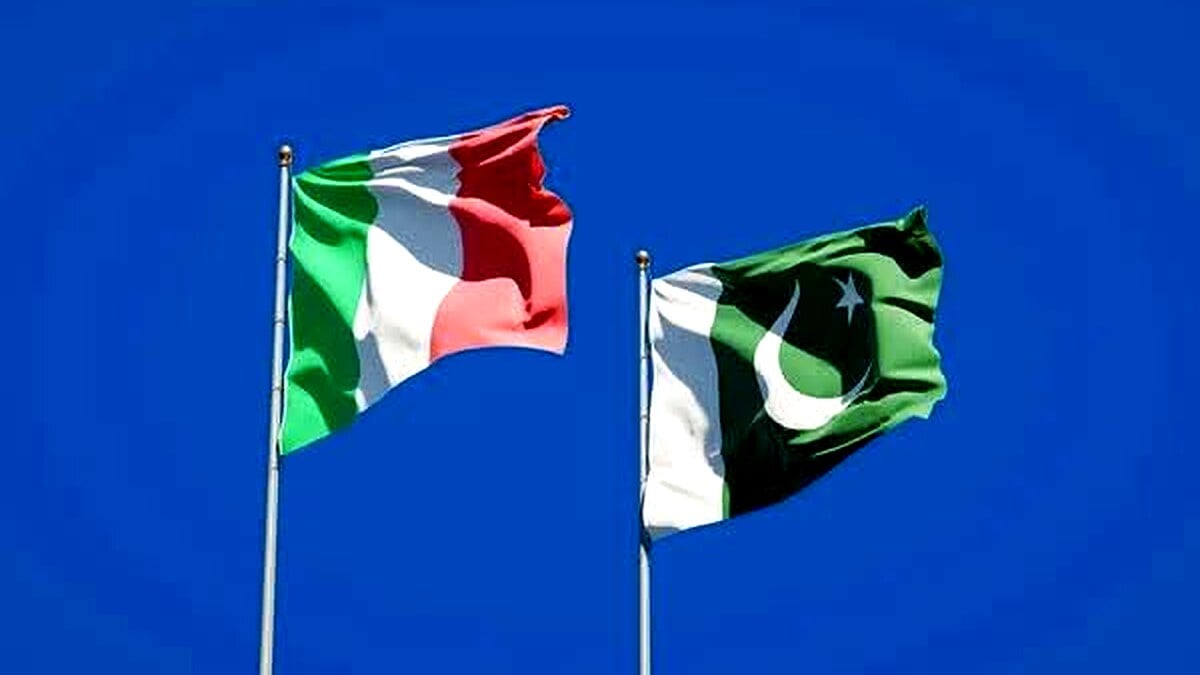




ISLAMABAD: Pakistan and Italy have signed an agreement abolishing visa requirements for holders of diplomatic passports, while Rome has allocated a dedicated quota of 10,500 jobs for Pakistani workers over the next three years.
The visa waiver accord was signed in Rome on June 2, 2026, by Pakistan’s Ambassador to Italy Ali Javed and Italian Foreign Affairs Secretary General Ambassador Riccardo Guariglia. The move aims to facilitate high-level official travel and deepen bilateral engagement.
Italian authorities have also formalised labour mobility arrangements providing 3,500 employment opportunities annually for Pakistanis, including 1,500 seasonal and 2,000 non-seasonal positions. Sectors include hospitality, healthcare, agriculture, welding, technical roles, and shipbreaking.
The developments mark a significant advancement in Pakistan-Italy relations. Officials describe them as concrete steps to strengthen people-to-people contacts and economic cooperation between the two countries.
Foreign Office sources in Islamabad confirmed the visa abolition agreement will ease diplomatic movements and reflect growing mutual trust. The job quota represents the first such formal allocation by a major European country to Pakistani workers.
**Official Statements** Pakistan’s Ministry of Overseas Pakistanis and Human Resource Development welcomed the job quota as a major achievement. Federal Minister Chaudhry Salik Hussain highlighted efforts that secured these opportunities, noting they provide legal pathways and reduce risks associated with irregular migration.
Italian officials described the visa waiver as a symbol of strengthened bilateral trust. The agreement covers both diplomatic and official passport holders for visa-free travel, enabling smoother official exchanges.
**Key Data And Figures** The job quota totals 10,500 positions spread over three years. Annual intake stands at 3,500 workers, with clear division between seasonal and non-seasonal streams.
Bilateral trade between Pakistan and Italy crossed the $1.4 billion mark in recent fiscal years. Pakistani exports to Italy reached approximately $1.12 billion, mainly textiles, rice, garments, leather products, and ethyl alcohol. Imports from Italy stood around $315 million, including machinery, pharmaceuticals, and equipment.
Italy hosts one of the largest Pakistani diasporas in the European Union, with over 150,000 to 300,000 Pakistanis residing primarily in Milan and Brescia. Remittances from Italy rank among the highest sources for Pakistan from EU countries.
The visa abolition applies immediately upon ratification. Labour mobility arrangements build on a Memorandum of Understanding signed earlier, with implementation expected through structured government channels.
**Background Context** Pakistan and Italy maintain longstanding diplomatic ties dating back decades. Italy has supported Pakistan on various international platforms and remains an important trading partner within the European Union.
Cooperation spans defence, education, development projects, and investment. Italy previously extended a $100 million debt-for-development swap for social sectors in Pakistan and has shown interest in a broader EU-Pakistan free trade agreement.
The job quota follows sustained engagement through bilateral consultations. Previous rounds of political talks emphasised trade, agriculture, higher education, and defence collaboration.
**Reactions And Impact** Pakistani public and overseas employment circles have received the announcements positively. Many view the legal job pathways as a timely alternative to risky migration routes.
Italian business communities engaged with Pakistan have expressed optimism about enhanced mobility for officials and skilled workers. The measures are expected to boost commercial exchanges and investment flows.
Market observers note potential growth in remittances and skills transfer. Pakistani exports in key sectors could benefit from stronger official linkages facilitated by easier diplomatic travel.
**Strategic Implications** These agreements position Italy as a key European partner for structured labour migration from Pakistan. The job quota opens regulated access to European labour markets, supporting Pakistan’s efforts to manage overseas employment more effectively.
For Italy, the arrangements address labour shortages in specific industries while formalising migration flows. Enhanced diplomatic facilitation could accelerate cooperation in trade and technology sectors.
Broader bilateral ties are likely to expand. Upcoming high-level visits and technical meetings will focus on implementation details, skill development programmes, and investment promotion.
Future developments depend on smooth execution of the labour quota and utilisation of the visa waiver. Both sides are expected to monitor progress closely in the coming months, with potential for further agreements in economic and defence domains.
Regional observers see the moves as part of Pakistan’s diversified foreign engagement strategy with European nations. Continued progress could open additional opportunities in investment, education, and technology collaboration.