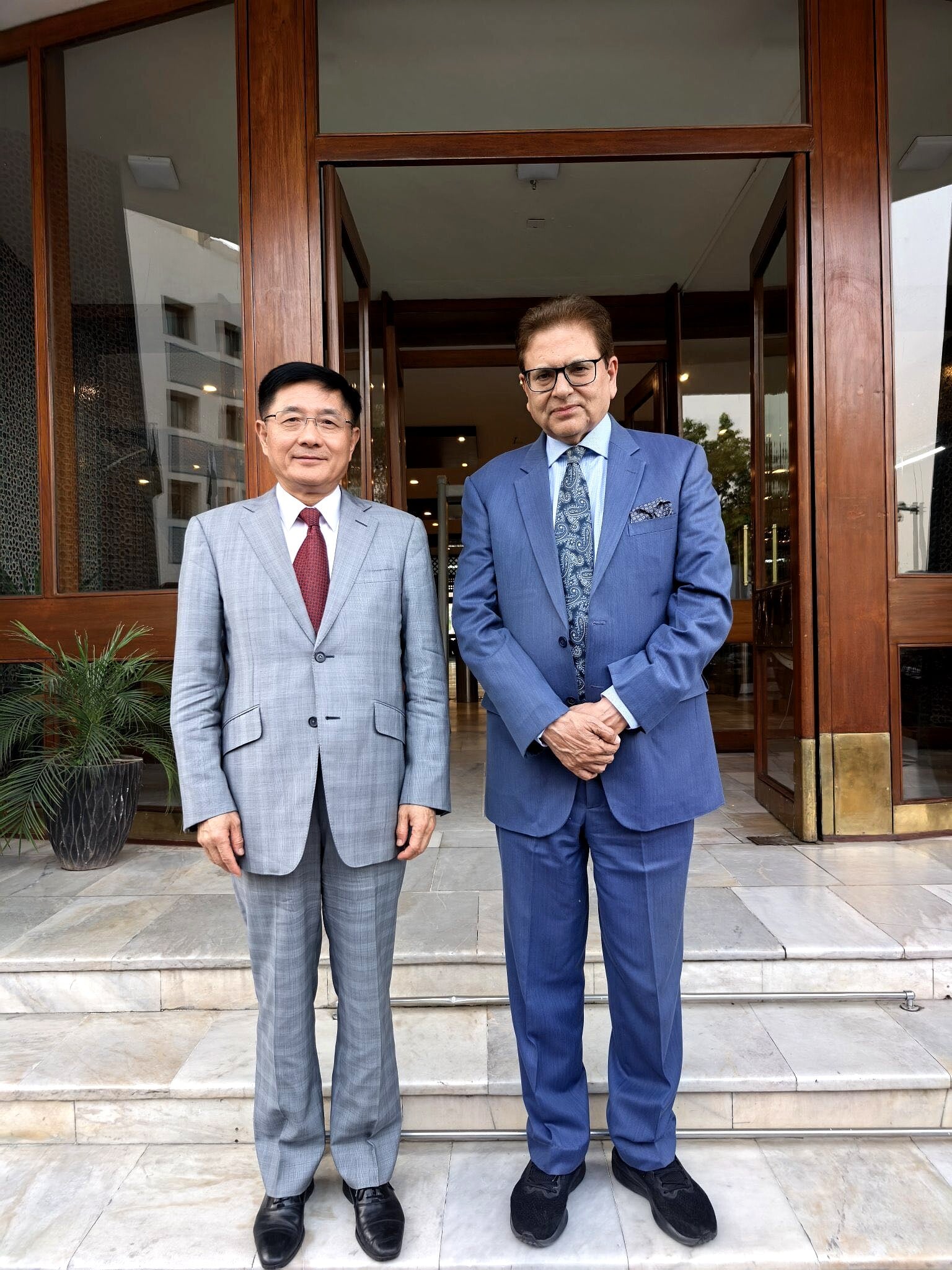




ISLAMABAD:China and Pakistan have held fresh diplomatic consultations on the next phase of the Urumqi Process aimed at reducing tensions between Pakistan and Afghanistan, as regional stakeholders continue efforts to improve security cooperation and border stability.
According to diplomatic sources, Chinese Special Envoy for Afghan Affairs met Pakistan’s Special Representative for Afghanistan in Islamabad and discussed preparations for the second round of the Urumqi Process.
The meeting comes weeks after China hosted Pakistani and Afghan Taliban officials in the northwestern Chinese city of during the first week of April in an effort to ease tensions between Islamabad and Kabul and encourage structured dialogue on security concerns.
Diplomatic sources said both sides reviewed developments since the inaugural round and exchanged views on mechanisms to maintain communication channels between Pakistan and Afghanistan amid continuing regional security challenges.
The Urumqi Process emerged as a Chinese-backed diplomatic initiative designed to prevent further deterioration in relations between the two neighboring countries, whose ties have faced strain over border security issues, militant violence and cross-border accusations.
Pakistan has repeatedly raised concerns regarding the presence of militants from the banned Tehreek-e-Taliban Pakistan (TTP) operating from Afghan territory, while Afghan authorities have rejected allegations that their soil is being used against neighboring states.
Security concerns have remained a major factor influencing bilateral relations since the Taliban returned to power in Afghanistan in August 2021 following the withdrawal of international forces.
Pakistan shares an approximately 2,600-kilometer border with Afghanistan, making stability along the frontier a key national security priority for Islamabad.
Officials familiar with the discussions said the meeting in Islamabad focused on diplomatic coordination ahead of future engagements under the Urumqi framework and explored ways to sustain momentum generated during the April talks.
China has increasingly positioned itself as a regional facilitator on Afghan affairs, seeking greater stability in its western neighborhood while protecting strategic economic interests linked to regional connectivity projects.
Beijing has also expanded engagement with both Islamabad and Kabul through diplomatic channels, security consultations and economic cooperation initiatives in recent years.
Regional analysts note that China’s involvement reflects growing concern about instability affecting trade corridors, infrastructure investments and broader regional integration plans.
Pakistan and China maintain close strategic ties, with bilateral trade exceeding $20 billion annually and cooperation continuing under the multibillion-dollar China-Pakistan Economic Corridor (CPEC), a flagship component of the Belt and Road Initiative.
Afghanistan remains an important geographical link for several proposed regional connectivity projects connecting Central Asia with South Asia and the Arabian Sea.
The latest diplomatic engagement follows a series of regional consultations aimed at addressing terrorism, refugee management, border coordination and economic cooperation.
Pakistan has witnessed a rise in militant attacks over the past two years, prompting intensified counterterrorism operations and renewed diplomatic efforts to address security concerns through both bilateral and multilateral channels.
Chinese officials have consistently emphasized the importance of political dialogue and regional cooperation in supporting long-term peace and economic recovery in Afghanistan.
Diplomatic observers believe the second round of the Urumqi Process could provide an opportunity for Pakistan and Afghanistan to narrow differences on security issues while expanding discussions on trade, transit and border management.
Although no official date for the next meeting has been publicly announced, diplomatic contacts between the three sides appear to be accelerating amid growing regional interest in preventing further instability.
The outcome of future Urumqi Process discussions may influence broader regional security dynamics, particularly as neighboring countries seek coordinated approaches to terrorism, economic development and cross-border cooperation in a strategically important region.