



ISLAMABAD: Russia and the Islamic Emirate of Afghanistan have signed a military-technical cooperation agreement focused on the repair and restoration of Russian-made military equipment in Afghan use.
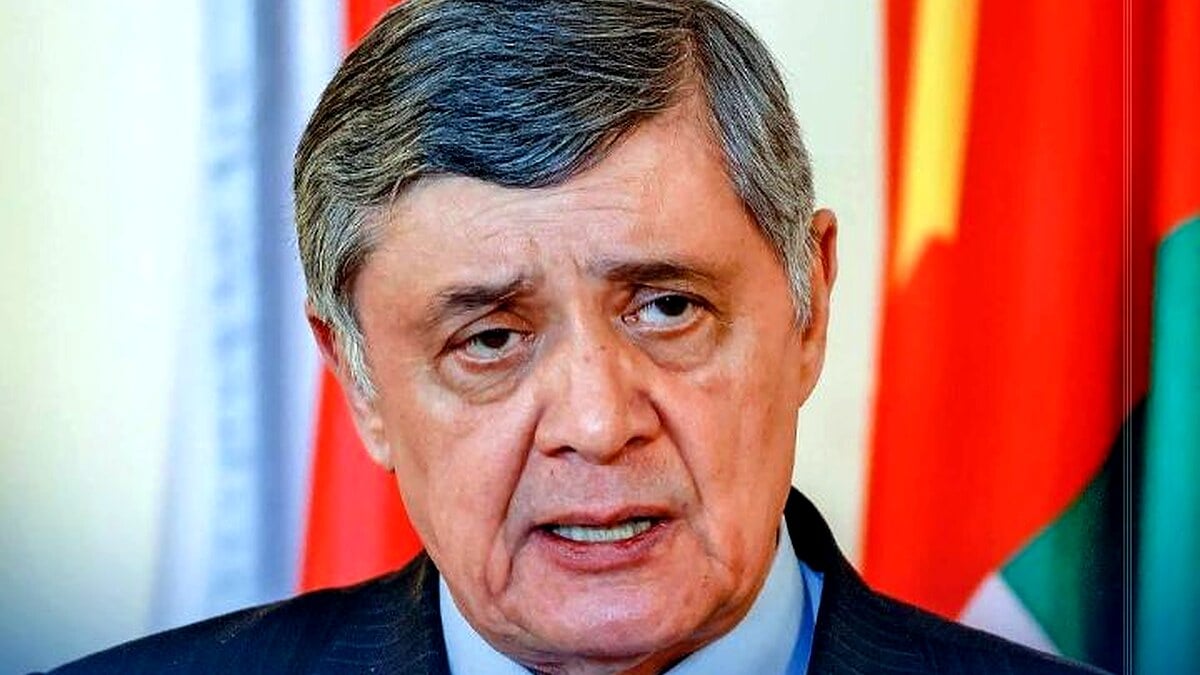
The agreement was signed on May 27 in the Moscow region during an international security forum. Russian state news agency RIA Novosti reported the development, citing Zamir Kabulov, the Russian president’s special representative for Afghanistan.
Mawlawi Mohammad Yaqoob Mujahid, Afghanistan’s acting defense minister, announced after returning to Kabul that practical implementation of the agreement would begin in the coming days. He described the document as a technical-military framework, not a full defense or security pact.
Kabulov emphasized that the agreement serves as a necessary legal basis under Russian law for any military-technical cooperation. He described it as practical in nature, aimed at supporting maintenance of existing equipment rather than new arms transfers.
**Official Statements**
Yaqoob Mujahid told reporters at Kabul International Airport that the deal would help Afghanistan better utilize Russian-origin military hardware already in its inventory. He stressed the agreement aims to strengthen maintenance and operational capabilities of the Afghan forces.
Russian officials have not publicly released full details of the pact. However, such agreements typically cover maintenance, technical support, logistics, and potential spare parts supply for Soviet-era and Russian equipment.
Sergei Shoigu, secretary of Russia’s Security Council, met with Yaqoob during the forum. The signing followed high-level discussions on expanding bilateral ties.
**Key Equipment Context**
Afghanistan maintains a significant inventory of Russian and Soviet-era equipment, including helicopters, armored vehicles, artillery systems, and small arms acquired during previous decades. Estimates suggest thousands of such platforms remain in various states of serviceability following years of conflict.
Military analysts note that Soviet-era Mi-17 and Mi-35 helicopters, T-62 and T-55 tanks, and BMP infantry fighting vehicles form important components of Afghan ground and air capabilities. Repair and restoration work could extend the operational life of these assets significantly.
The agreement is seen as Russia’s first formal military-technical framework with the Taliban administration since it took power in 2021. Moscow formally removed the Taliban from its list of terrorist organizations in April 2025, paving the way for deeper engagement.
**Regional Implications for Pakistan**
The development holds direct relevance for Pakistan, which shares a 2,600-kilometer border with Afghanistan. Islamabad has long expressed concerns over cross-border militancy and the presence of TTP elements in Afghan territory.
Pakistani security officials have repeatedly highlighted the risks of instability in Afghanistan affecting national security. The military has conducted multiple operations along the western border in recent years to counter infiltration attempts.
Official figures from Pakistan’s security forces indicate that over 800 personnel have been martyred in border-related incidents since 2021. Cross-border firing incidents have decreased in recent months following diplomatic engagements, yet underlying tensions persist.
**Background**
Russia has gradually expanded engagement with Kabul since 2021. Moscow has provided limited humanitarian assistance and maintained diplomatic channels while avoiding full recognition of the Taliban government alongside most countries.
The new agreement marks a step forward in practical cooperation. It comes amid Russia’s broader efforts to strengthen influence in Central Asia and counter Western presence in the region.
Afghanistan’s defense minister highlighted historic ties between the two countries and expressed desire to further develop them. Implementation is expected to involve Russian technical teams and possible training components for Afghan maintenance personnel.
**Reactions and Impact**
The agreement has drawn attention across regional capitals. India, Iran, and Central Asian states are monitoring developments closely due to their stakes in Afghan stability.
For Pakistan, the pact raises questions about potential shifts in regional security dynamics. While officials in Islamabad have not issued an immediate public reaction, diplomatic sources indicate the matter is under careful review.
Economic dimensions remain secondary at this stage. However, successful equipment restoration could free up Afghan resources currently spent on procurement, potentially affecting local markets for spare parts and technical services.
**Strategic Angle**
The agreement represents a framework rather than immediate large-scale arms supply. Its success will depend on implementation details, availability of spare parts, and technical expertise transfer over the coming months.
Analysts suggest the focus on maintenance could help stabilize Afghan security forces’ capabilities without introducing advanced new systems that might alter regional balances significantly.
Future developments may include additional protocols on specific equipment types and possible joint exercises or training programs. The timeline for visible results on ground remains unclear, with initial work expected to concentrate on assessment and planning phases.
The pact adds another layer to Russia’s engagement strategy in South and Central Asia at a time of shifting global alignments. Its long-term impact on Afghan internal stability and broader regional security will unfold as implementation progresses in the weeks and months ahead.