



Senior journalist Hamid Mir has issued a stark warning to Pakistan’s leadership. He says the country must exercise extreme caution regarding its nuclear capabilities as new geopolitical alignments emerge in the region.
Mir’s comments come at a critical juncture. Recent developments in US-Iran negotiations have raised fresh concerns in Islamabad about potential spillover effects on Pakistan’s strategic deterrence.
According to Mir, Israeli Prime Minister Benjamin Netanyahu, described as one of US President Donald Trump’s closest allies, harbors intentions beyond neutralizing Iran’s nuclear program. He reportedly seeks to target Pakistan’s atomic assets as well.
The veteran anchor made these observations during a recent television appearance. His analysis highlights a shifting international landscape following indirect US-Iran talks mediated partly by Pakistan.
Mir pointed to longstanding Israeli concerns over Muslim-majority nations possessing nuclear technology. He referenced historical reports of Israeli plans against Pakistan’s program dating back decades.
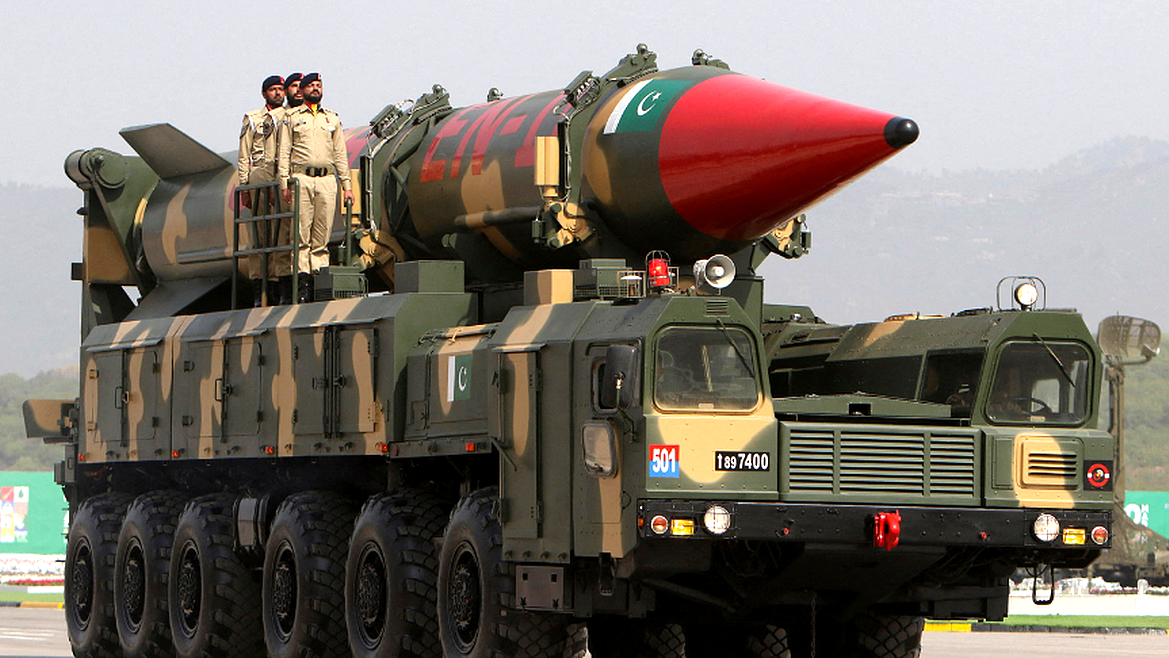
Pakistan maintains a policy of credible minimum deterrence. Its nuclear arsenal serves as a cornerstone of national security, particularly in the context of regional rivalries.
Official figures from defense analysts suggest Pakistan possesses approximately 170 nuclear warheads. This places it among the world’s significant nuclear powers. The program includes both land-based missiles and aircraft delivery systems.
Mir emphasized that any US-Iran agreement could open doors to renewed pressure on Pakistan. He described it as the beginning of a new phase of conspiracies aimed at weakening Islamabad’s nuclear posture.
The journalist noted Netanyahu’s influence within Trump circles. Sources close to diplomatic channels indicate the Israeli leader has consistently pushed for stringent measures against perceived nuclear proliferation risks.
Pakistan’s role in brokering recent US-Iran ceasefire efforts adds complexity. Field Marshal Asim Munir’s visits and backchannel diplomacy helped facilitate talks on the Strait of Hormuz and temporary halts in hostilities.
Yet this involvement might not shield Pakistan from scrutiny. Mir cautioned that success in mediation could paradoxically heighten vulnerabilities if it draws unwanted attention to the country’s own capabilities.
International observers have tracked Israel’s statements on Iran closely. Netanyahu has publicly demanded complete dismantlement of Iranian enrichment facilities and removal of stockpiled material in any final deal.
Such positions, Mir argues, reflect a broader strategy. They extend beyond immediate threats to encompass other states maintaining independent nuclear policies outside the Non-Proliferation Treaty framework.
Pakistan has never signed the NPT. It developed its program in response to security threats, particularly after India’s 1974 nuclear test. The country conducted its own tests in 1998, establishing strategic parity in South Asia.
Economic data underscores the stakes. Pakistan’s defense budget for the current fiscal year allocates significant resources to strategic programs. Exact figures remain classified, but estimates place annual spending in the billions of dollars.
Mir urged Pakistani authorities to strengthen diplomatic defenses. He called for enhanced engagement with friendly nations, particularly China, which has provided consistent support to Pakistan’s peaceful nuclear energy initiatives.
The China-Pakistan Economic Corridor includes nuclear power projects. These civilian facilities operate under International Atomic Energy Agency safeguards.
Regional dynamics remain fluid. India continues modernization of its nuclear triad. Recent acquisitions and indigenous developments have altered the balance of power calculations.
Mir highlighted reports of potential Indo-Israeli coordination. He referenced instances where joint interests appeared aligned against Pakistan’s interests.
US policy under Trump has shown pragmatism mixed with unpredictability. While Trump has touted diplomatic breakthroughs, his administration maintains close military ties with Israel.
Analysts monitoring the situation note that post-deal scenarios could involve increased calls for transparency from Pakistan. This might manifest through multilateral forums or direct bilateral pressures.
Pakistan’s military leadership has repeatedly affirmed the inviolability of its nuclear command and control structures. The National Command Authority oversees all strategic assets with robust safety protocols.
Mir’s commentary arrives amid heightened global focus on non-proliferation. The Iran situation has revived debates about selective enforcement of international norms.
Experts point to statistics from the Stockholm International Peace Research Institute. Global nuclear arsenals total over 12,000 warheads, with nine states possessing them. Pakistan ranks as the fifth or sixth largest holder depending on estimates.
The journalist stressed the need for internal unity. He warned against any domestic divisions that adversaries could exploit to create narratives against the program.
Foreign Office spokespersons have traditionally responded to such concerns with measured statements. They reaffirm Pakistan’s commitment to responsible nuclear stewardship while rejecting any external dictation.
Recent diplomatic engagements show Pakistan balancing multiple relationships. Ties with the United States involve counterterrorism cooperation and economic assistance. Relations with China remain all-weather. Gulf states provide crucial financial lifelines.
Mir suggested that Islamabad prepare contingency strategies. These could include public diplomacy campaigns highlighting the defensive nature of the program and its contribution to regional stability by preventing conventional wars.
The anchor recalled past crises. During the 1990s and early 2000s, Pakistan faced intense pressure following nuclear tests and subsequent sanctions. Resilience and strategic partnerships helped weather those storms.
Current challenges differ in nature. They involve sophisticated information operations alongside traditional diplomatic maneuvering. Social media campaigns and selective leaks often shape international perceptions.
Strategic importance of Pakistan’s geography cannot be overstated. Located at the crossroads of South Asia, Central Asia, and the Middle East, it influences major trade routes and security corridors.
Any destabilization of Pakistan’s nuclear posture could trigger dangerous arms races or miscalculations in South Asia. This carries implications far beyond the region.
Mir concluded his remarks with a call for vigilance without panic. He advocated proactive measures to safeguard national interests while continuing constructive international engagement.
As US-Iran negotiations progress toward potential frameworks, Pakistani policymakers are expected to closely monitor outcomes. The coming weeks may reveal whether new alignments pose direct challenges or create diplomatic opportunities.
Defense analysts recommend maintaining technological edge. Continuous upgradation of delivery systems and command infrastructure remains essential for credible deterrence.
Public opinion in Pakistan overwhelmingly supports the nuclear program. Surveys consistently show it as a symbol of national pride and security guarantee.
The government faces the delicate task of navigating these waters. Balancing sovereignty with international cooperation will define the success of its foreign policy in this new era.
Mir’s timely intervention has sparked discussions across media and policy circles. It serves as a reminder that in an increasingly interconnected world, strategic autonomy requires constant vigilance and adaptive responses.
Pakistan’s nuclear journey reflects decades of investment and sacrifice. Protecting this achievement remains paramount for future generations facing an uncertain geopolitical environment.