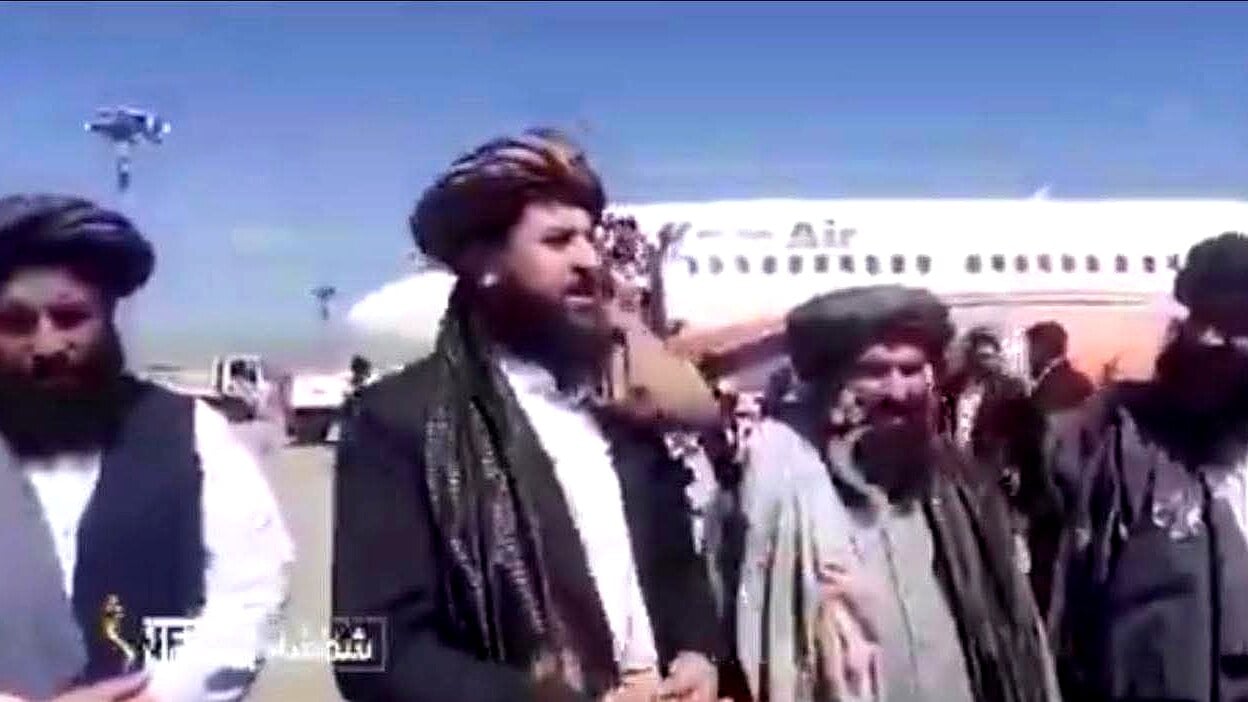




ISLAMABAD: Former CIA targeting analyst Sarah Adams has called for an immediate end to US financial flows into Taliban-controlled Afghanistan following reports of a new military cooperation agreement between Moscow and the Kabul administration.
Adams argued that Taliban engagement with major powers such as Russia removes any justification for continued American taxpayer support through aid mechanisms. Her remarks highlight growing scrutiny of Washington’s post-2021 Afghanistan policy.
The comments surfaced amid fresh reports of a military-technical cooperation pact signed on May 27 between Russian Security Council Secretary Sergei Shoigu and Taliban Defence Minister Mohammad Yaqoob during an international security forum near Moscow.
**Official US assistance** to Afghanistan totalled over $20 billion since the Taliban takeover in August 2021, including humanitarian and development aid. Estimates previously cited approximately $40 million per week reaching Afghan entities through various channels, though major cuts occurred in 2025.
The United Nations delivered more than $2.9 billion in cash shipments to Afghanistan in the years following the takeover, with the US as the largest single donor.
Pakistan has closely monitored these developments given its 2,600-kilometre border with Afghanistan and ongoing security challenges linked to cross-border militancy.
### Russia-Taliban Agreement Details
Russian media and officials described the pact as enhancing bilateral military and technical ties. It includes potential support for repairing Soviet-era equipment, air defence systems, and counterterrorism coordination against groups such as ISIS-K.
This marks a significant step after Russia removed the Taliban from its list of banned terrorist organisations and moved towards formal engagement. The deal comes as Moscow seeks to secure its Central Asian flank amid broader geopolitical shifts.
Taliban officials welcomed the agreement as an expansion of diplomatic and strategic relations. Defence Minister Yaqoob, son of Taliban founder Mullah Omar, led the delegation to Moscow.
### Adams’ Position and Context
Sarah Adams, who served as a CIA targeting analyst focusing on terrorism threats, has repeatedly questioned the effectiveness of continued funding. She has highlighted reports of American hostages still held and alleged Taliban deception operations aimed at securing counterterrorism support.
In recent public statements, Adams pointed to Taliban partnerships with Russia, China, and Iran as evidence that the group no longer relies solely on Western assistance. She argued that US law provides mechanisms to suspend payments when American hostages are held, yet implementation has faced delays.
Her views reflect broader debates in Washington over post-withdrawal strategy. Critics maintain that aid has inadvertently stabilised Taliban finances, while supporters emphasise humanitarian needs for Afghanistan’s 40 million population facing economic hardship.
### Regional Implications for Pakistan
Pakistani officials and analysts view the Russia-Taliban rapprochement with caution. Islamabad has conducted multiple cross-border operations against Tehrik-i-Taliban Pakistan (TTP) sanctuaries in Afghanistan and accused the Taliban of providing safe havens to anti-Pakistan militants.
The new military pact raises questions about potential shifts in Afghan defence capabilities and their impact on border security. Pakistani military sources have historically stressed the need for a stable Afghanistan free from terrorist safe havens.
Trade between Pakistan and Afghanistan, once exceeding $2 billion annually before 2021, has faced disruptions due to political tensions and militant activity. Improved Taliban ties with Russia could open new supply routes or economic channels bypassing traditional partners.
### Aid Flow and Economic Data
Prior to recent US cuts, humanitarian assistance formed a major part of Afghanistan’s economy. The country’s GDP contracted sharply after 2021, with international aid preventing deeper collapse. UN appeals for 2025 sought billions, though funding shortfalls persisted.
US obligations for Afghanistan stood at around $755 million in fiscal year 2024 before broader terminations. Cash shipments helped stabilise the Afghan currency but faced criticism for limited oversight.
The Taliban administration has sought broader international recognition and unfreezing of Afghan central bank assets held abroad, estimated at several billion dollars.
### Strategic Analysis
The Russia-Taliban deal signals evolving alignments in Central and South Asia. Moscow gains influence in a region where it seeks to counter Western presence and secure borders. For the Taliban, it represents validation and access to technical military support.
For the United States, Adams’ call adds to pressure for policy review. Any decision to formally end remaining assistance channels would carry humanitarian costs but align with arguments that the Taliban no longer qualifies as a priority aid recipient given its external partnerships.
Pakistan’s security establishment continues to advocate for a coordinated regional approach. Islamabad has emphasised that lasting stability requires the Taliban to address TTP threats and prevent Afghan soil from being used against neighbours.
Future developments will likely depend on implementation of the Russia pact, Taliban governance choices, and Washington’s final stance on assistance. Regional players including China, Iran, and Central Asian states are also recalibrating their Afghanistan policies.
The situation remains fluid, with implications for counterterrorism, border management, and economic connectivity across South and Central Asia. Pakistani policymakers are expected to monitor these shifts closely in coming weeks.