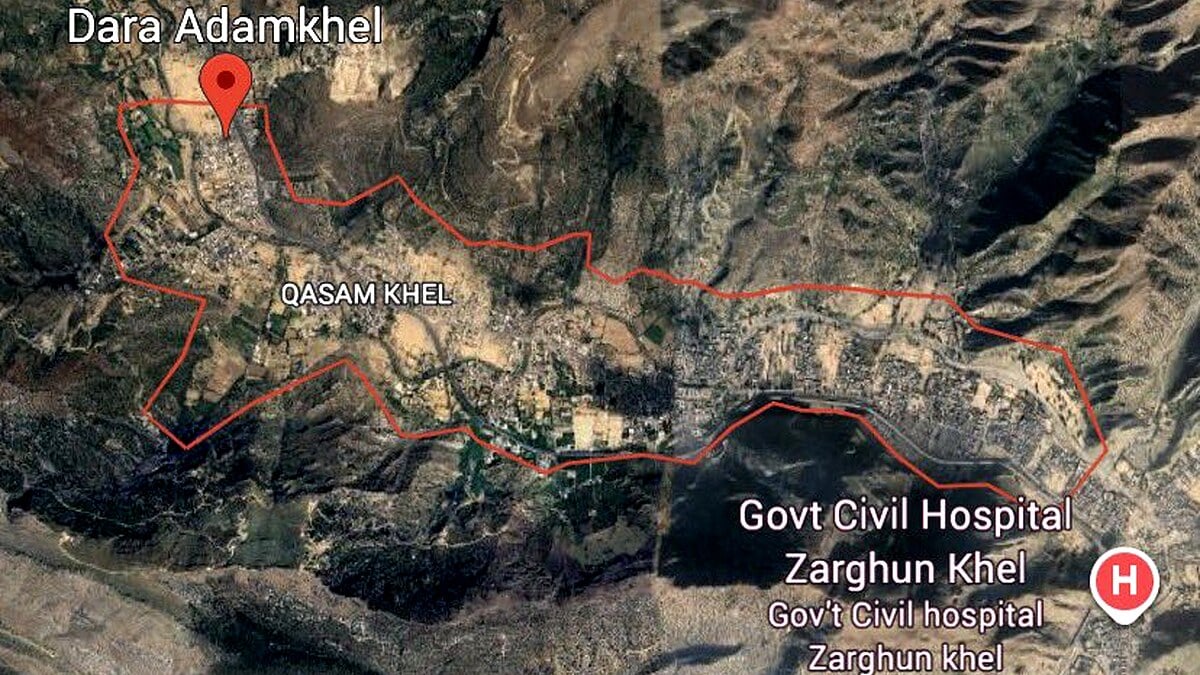




ISLAMABAD: Pakistan’s security forces have completed a successful counterterrorism operation in Darra Adam Khel, eliminating 11 militants linked to the banned Tehreek-e-Taliban Pakistan (TTP) and capturing one operative alive, according to security sources.
The operation, conducted on May 30, targeted a militant cell affiliated with the Tariq Geedar Afridi group, a faction accused of involvement in terrorist activities across parts of Khyber Pakhtunkhwa and the former tribal districts.
Security officials said the intelligence-based operation resulted in the complete dismantling of the group’s regional network, dealing a significant blow to militant infrastructure operating in the area.
Among those killed were local militants Dawood and Hamza, both identified as active members of the network involved in facilitating attacks and providing logistical support within the region.
Officials also confirmed the deaths of Afghan nationals Qari Zainatullah and Qari Lawangeen, who were operating alongside the local cell and were allegedly linked to cross-border militant coordination.
One militant was taken into custody during the operation and is expected to undergo interrogation as investigators seek additional information about the group’s remaining contacts, funding channels, and operational networks.
Security sources described the operation as a carefully planned mission based on actionable intelligence, allowing forces to engage the militants while minimizing risks to civilian populations in surrounding areas.
Darra Adam Khel has long remained strategically important due to its location between Peshawar and Kohat, making it a key transit corridor in Pakistan’s northwest. The region has historically witnessed militant activity and security operations aimed at restoring long-term stability.
According to officials, the Tariq Geedar Afridi faction had been under surveillance for an extended period following reports of recruitment efforts, movement of fighters, and attempts to reorganize militant infrastructure after previous security crackdowns.
Pakistan has intensified intelligence-based operations across Khyber Pakhtunkhwa and Balochistan in recent years as security agencies continue efforts to prevent militant groups from rebuilding operational capabilities.
Official data released by Pakistani authorities and independent security monitors have shown a rise in militant incidents since the collapse of the ceasefire between the TTP and the government in late 2022. As a result, security forces have expanded counterterrorism operations across several districts bordering Afghanistan.
Military officials have repeatedly stated that terrorist networks operating inside Pakistan receive support, safe havens, and facilitation from elements located across the border, a claim that has remained a major point of tension between Islamabad and Kabul.
The latest operation comes amid broader efforts by Pakistan’s security establishment to disrupt militant command structures, eliminate local facilitators, and deny armed groups freedom of movement in vulnerable regions.
Analysts note that the elimination of experienced fighters and commanders often has a greater impact than casualty figures alone, as militant organizations rely heavily on local facilitators, recruiters, and logistical networks to sustain operations.
The deaths of both local and foreign fighters in the Darra Adam Khel operation may also provide intelligence agencies with additional insights into the extent of cross-border linkages and operational cooperation among militant factions.
Residents in nearby areas reported heightened security activity during the operation, although officials indicated that the mission was completed without major collateral damage or civilian casualties.
Security agencies are expected to continue follow-up actions in surrounding districts to ensure that any remaining support elements linked to the dismantled network are identified and neutralized.
The operation forms part of Pakistan’s broader national counterterrorism strategy, which combines intelligence gathering, targeted kinetic operations, border management measures, and efforts to strengthen law enforcement capabilities in vulnerable regions.
Officials believe the successful dismantling of the Tariq Geedar Afridi group’s regional network could reduce the immediate threat level in parts of the area, although security experts caution that militant organizations often attempt to regenerate through splinter cells and new recruitment channels.
Further investigations following the arrest of the captured militant are expected to guide future operations and may reveal additional information about militant movements, financing mechanisms, and regional security challenges in the months ahead.