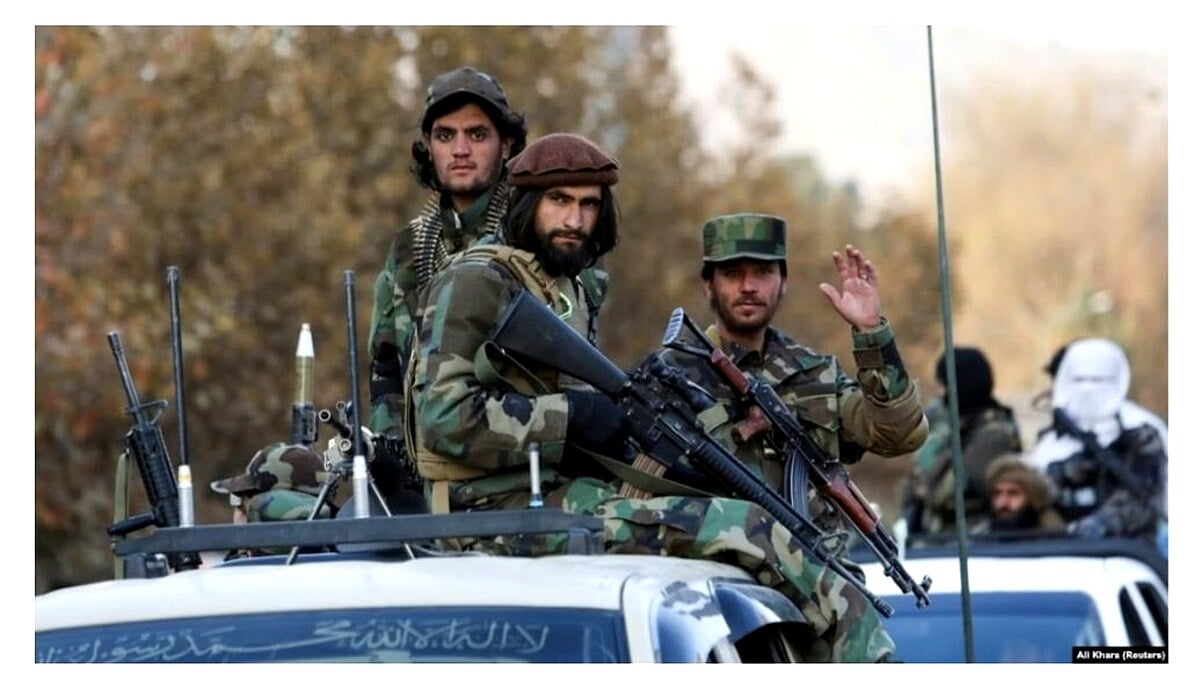




ISLAMABAD: Russia and Afghanistan’s Taliban-led government have signed a military cooperation agreement in Moscow, marking a major expansion of bilateral security ties less than a year after the Kremlin formally recognized the Afghan administration.
The agreement was signed during the International Security Forum in Moscow between Afghan Defense Minister Mohammad Yaqoob and Russian Security Council Secretary Sergei Shoigu, according to Russian and international media reports. While the full details of the pact have not been publicly disclosed, officials described it as a military-technical cooperation framework covering defense coordination and broader security engagement.
The development represents one of the most significant defense agreements signed by the Taliban administration since returning to power in August 2021 following the withdrawal of US-led forces from Afghanistan.
Russian officials have increasingly moved toward formal engagement with Kabul over the past two years.
Moscow became the first major power to officially recognize the Taliban government after removing the movement from its list of banned organizations and accepting Taliban diplomatic representation.
Speaking during the Moscow forum, Yaqoob said Afghanistan considered relations with Russia important and described the two countries as having long-standing historical ties.
Shoigu meanwhile emphasized the expansion of political, security, economic and military cooperation between Moscow and Kabul while calling for greater international engagement with Afghanistan.
Although neither side released technical details of the agreement, military cooperation frameworks typically include weapons procurement, defense technology transfers, maintenance support, training programs, joint research projects and licensing arrangements. Several reports indicated the deal could involve military-industrial cooperation and future defense development initiatives.
The agreement comes as Russia continues to deepen security partnerships across Central and South Asia amid ongoing geopolitical competition and the prolonged Ukraine conflict.
Russia has repeatedly stated that Afghanistan remains critical to regional security due to the presence of militant organizations operating across the region.
Earlier this month, Shoigu claimed that more than 20 militant groups with an estimated combined strength of around 23,000 fighters remained active in Afghanistan and surrounding areas, making security coordination a priority for Moscow.
The military pact is likely to attract close attention in Islamabad, New Delhi, Beijing and other regional capitals due to its potential impact on regional alignments.
Pakistan has traditionally maintained significant influence in Afghan affairs, but relations between Islamabad and Kabul have experienced repeated tensions over border security, cross-border militancy and refugee issues during the past several years.
Analysts believe expanding Russian engagement could gradually introduce a new strategic variable into Afghanistan’s regional relationships.
India is also expected to monitor the development carefully.
New Delhi has steadily expanded diplomatic contacts with Taliban authorities while seeking to protect economic and security interests in Afghanistan following the collapse of the former Afghan government.
The Russia-Afghanistan agreement may create additional channels for regional security cooperation involving major Eurasian powers, particularly through forums linked to the Shanghai Cooperation Organisation.
At the same time, speculation has emerged across international media and security circles regarding whether Afghan nationals could eventually become involved in Russian military activities linked to the Ukraine war.
No official Russian or Afghan statement has confirmed any arrangement involving Afghan fighters participating in combat operations in Ukraine.
Independent verification of such claims remains unavailable.
The issue has nevertheless gained attention following earlier reports concerning foreign nationals being recruited or contracted into Russian military structures during the ongoing conflict.
Security experts caution that any future manpower recruitment involving Afghan citizens would carry significant political, diplomatic and legal implications for both governments.
Beyond military considerations, the agreement also reflects Russia’s broader effort to strengthen influence across Central Asia and secure long-term economic opportunities.
Afghanistan possesses significant untapped mineral resources, including copper, lithium, iron ore and rare earth deposits valued by some international estimates in excess of $1 trillion.
Moscow has repeatedly expressed interest in regional infrastructure projects, transit corridors and resource development initiatives linked to Afghanistan’s reconstruction.
Russian officials have also called for the release of frozen Afghan financial assets and greater international support for rebuilding efforts after more than two decades of conflict.
For Pakistan, the emerging Russia-Taliban partnership could reshape elements of the regional security environment at a time when border management, counterterrorism cooperation and shifting geopolitical alignments remain central policy concerns.
Much will depend on the practical implementation of the agreement, the extent of future military cooperation and whether the partnership evolves beyond symbolic political engagement into deeper defense and strategic coordination in the coming years.