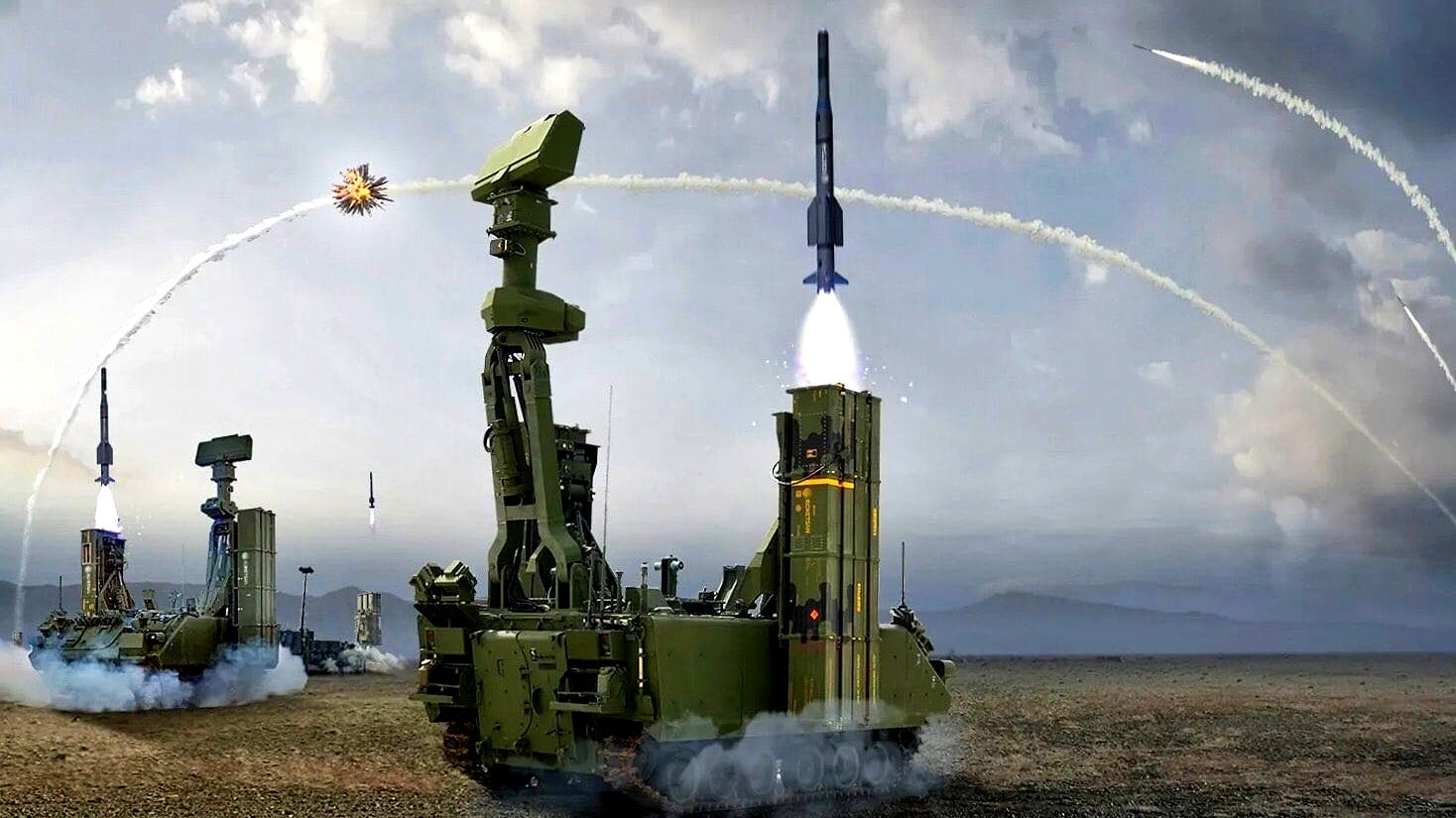




(Iranian Missile Hits US Air Base Injured Personnel and Destroyed Unmanned Aircrafts)
Destroyed Unmanned Aircrafts
ISLAMABAD: Debris from an intercepted Iranian ballistic missile struck Kuwait’s Ali Al Salem Air Base within the past 24 hours, causing minor injuries to several Americans and seriously damaging two US MQ-9 Reaper strike drones.
Kuwaiti air defences intercepted the Fateh-110 missile before it could reach the target. However, falling debris from the interception hit the facility, according to Bloomberg citing a person with direct knowledge of the incident.
The incident occurred amid heightened tensions in the Gulf region following recent US-Iran exchanges. Ali Al Salem Air Base, located about 40 miles northwest of Kuwait City, serves as a major hub for US air operations in the Persian Gulf.
Reports indicate approximately five Americans, including active-duty personnel and contractors, sustained minor injuries. Medical teams provided immediate treatment at the base.
One MQ-9 Reaper drone was destroyed while a second suffered serious damage. Each Reaper drone is valued at approximately $30 million, bringing the equipment loss close to $60 million in this single incident.
The Fateh-110 is a short-range Iranian ballistic missile known for its precision guidance capabilities and deployment in regional operations. Kuwaiti defence systems successfully engaged the incoming projectile, preventing a direct impact on the base infrastructure.
US Central Command has described the missile launch as a ceasefire violation. Officials continue to assess the full extent of damage while coordinating with Kuwaiti authorities.
Kuwait has maintained close security cooperation with the United States for decades. The country hosts several American military facilities critical for regional stability and counter-terrorism operations.
This development comes as diplomatic efforts seek to stabilise the fragile truce between Washington and Tehran. US President Donald Trump is reportedly considering options to extend the current ceasefire arrangement.
Pakistani officials have monitored the situation closely given Pakistan’s strategic interests in Gulf security and the safety of its large expatriate workforce in Kuwait. The Foreign Office has not issued an official statement on the latest incident so far.
The Ali Al Salem base supports a range of US and allied aircraft operations. The loss of Reaper drones affects intelligence, surveillance, and reconnaissance capabilities in the region, at least temporarily.
Defence analysts note that debris-related damage from intercepted missiles has become an increasing concern in modern air defence scenarios. Even successful interceptions can create secondary risks to ground installations and personnel.
Regional markets showed cautious reaction following the reports. Oil prices edged slightly higher on concerns over potential escalation in the Gulf, a critical waterway for global energy supplies.
Kuwaiti authorities have increased security measures around key installations. Additional air defence protocols are reportedly under review to address similar threats from ballistic missile debris.
The incident highlights the complex dynamics of missile defence in densely populated and strategically vital areas of the Gulf. While direct hits were avoided, the secondary effects demonstrate limitations in current interception technologies.
Iran has conducted similar operations in the past as part of its regional deterrence strategy. The Islamic Revolutionary Guard Corps often claims such actions as responses to perceived aggressions.
US forces in the region maintain a significant presence across multiple Gulf states. The 14 American deaths and over 400 injuries reported in recent months from various operations underscore the ongoing risks to personnel.
Military experts suggest the damage to high-value assets like the MQ-9 Reapers could prompt reviews of base protection measures and drone deployment strategies in forward locations.
Kuwait’s prompt interception demonstrated the effectiveness of its air defence partnership with the United States. Joint training exercises have focused heavily on ballistic missile threats in recent years.
The broader implications extend to diplomatic channels. Efforts to broker a more durable understanding between the involved parties face new complications following this strike.
Pakistan, with its experience in regional diplomacy and counter-terrorism, continues to advocate for de-escalation and dialogue in the Gulf. Stability in the area directly impacts trade routes and remittance flows vital to the Pakistani economy.
Future developments will likely depend on how Washington and Tehran respond to this latest exchange. Additional statements from US Central Command and Kuwaiti officials are expected in the coming hours.
The situation remains fluid as investigations continue into