



Egypt Declares UAE Security Integral to Its National Security Amid Iran Tensions
Egypt has stepped forward with strong military and political backing for the United Arab Emirates. Cairo has deployed Rafale fighter jets to Emirati bases and publicly affirmed that the UAE’s security forms an inseparable part of Egypt’s own national security.
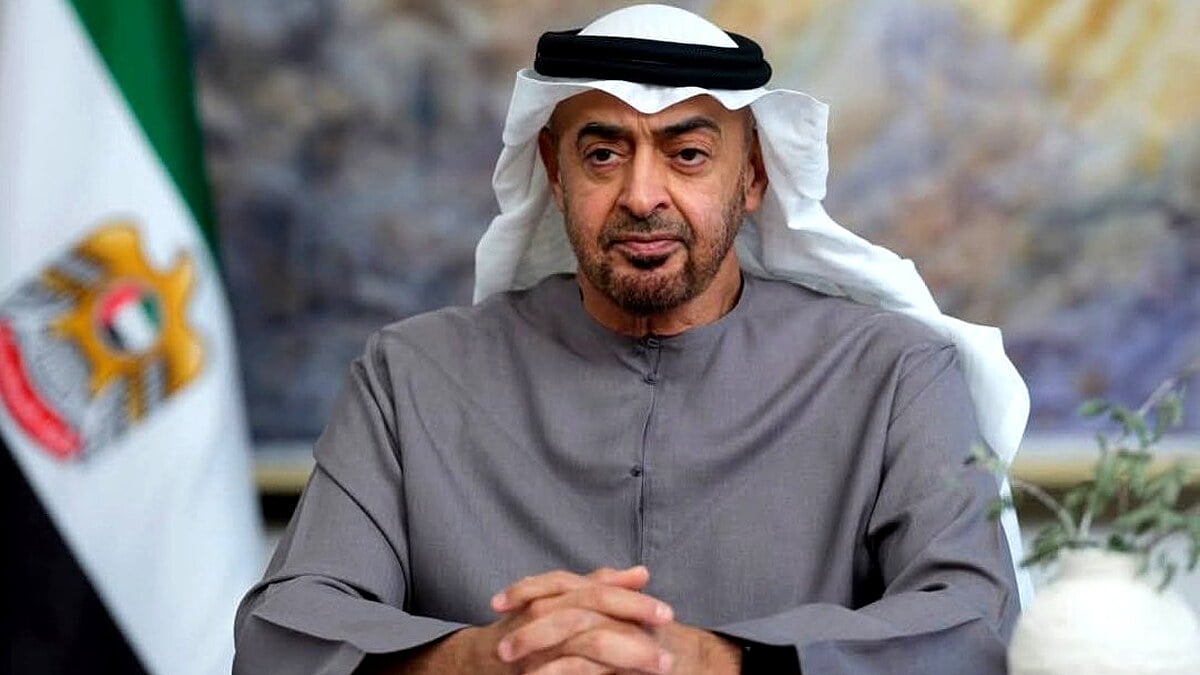
Egyptian President Abdel Fattah el-Sisi and UAE President Sheikh Mohamed bin Zayed Al Nahyan jointly inspected the Egyptian Air Force detachment on May 7. The visit showcased Egyptian Rafale F3R multirole fighters stationed on UAE soil for defensive operations against Iranian threats.
This marks the first public confirmation of Egyptian combat aircraft operating from forward bases in the Gulf. Officials from both sides described the deployment as a concrete expression of deep strategic partnership.
Egyptian Foreign Minister Badr Abdelatty reiterated Cairo’s position in recent statements. He stressed that the security of the UAE and other Gulf states remains an integral component of Egypt’s national security doctrine.
The move comes against the backdrop of renewed Iranian missile and drone attacks on UAE targets since late February 2026. UAE air defenses have intercepted hundreds of projectiles, yet strikes have hit energy facilities, caused civilian and military casualties, and strained regional infrastructure.
Egyptian Rafales now support air defense efforts alongside UAE, French, and other coalition assets. The advanced French-built jets bring enhanced air-to-air and precision strike capabilities to bolster Emirati defenses.
Sisi’s inspection visit highlighted operational readiness of the Egyptian pilots and aircraft. Images released by UAE authorities showed both presidents reviewing the detachment, underscoring high-level political commitment.
Cairo has also supplied advanced air defense systems and personnel to Saudi Arabia, the UAE, and Kuwait during the current crisis. This builds upon years of joint exercises such as the Zayed and Khalifa drills conducted on Emirati territory.
Iran reacted critically to the Egyptian deployment. Tehran described the presence of foreign fighter jets in the Gulf as a destabilizing factor and warned against actions that could further complicate regional security.
Economic links between Egypt and the UAE run deep. Abu Dhabi has committed tens of billions of dollars in investments into Egyptian projects, including major developments in Ras El Hekma and other coastal areas, providing vital support during Egypt’s economic recovery efforts.
The deployment signals Egypt’s willingness to project power beyond its borders in support of Arab allies. It remains largely defensive in character, focused on protecting UAE airspace and critical infrastructure.
Regional casualties from Iranian strikes on the UAE have included foreign workers from Pakistan, Bangladesh, India, Egypt, and other nations. This has heightened concerns among South Asian expatriate communities in the Gulf.
Egypt continues diplomatic initiatives alongside partners including Pakistan, Saudi Arabia, and Türkiye. These efforts aim to de-escalate the broader conflict while maintaining firm solidarity with the UAE.
Official Egyptian statements have condemned Iranian attacks as violations of sovereignty and international law. Cairo has repeatedly called for an immediate halt to such strikes to prevent wider regional chaos.
The presence of Egyptian Rafales adds both operational depth and strong symbolic weight. It demonstrates coordinated Arab response at a time when Gulf states face persistent aerial threats.
Defense cooperation between Cairo and Abu Dhabi has grown steadily. Joint training and exercises have prepared the ground for this level of integration, though forward deployment of combat jets represents a notable step forward.
Observers note the strategic importance for Egypt. Protecting Gulf stability directly supports Suez Canal revenues, remittance flows from Egyptian workers, and broader economic ties with wealthy Gulf partners.
For the UAE, Egyptian support provides additional strategic layers against ongoing Iranian pressure. The Emirates continue high-alert operations with coalition partners, including US forces stationed in the country.
The conflict has disrupted energy markets and trade routes vital to global supply chains. Egyptian officials remain focused on defensive measures while urging all parties to pursue diplomatic solutions.
As tensions persist, this Egyptian deployment underscores evolving regional alliances. It reflects Cairo’s assertive stance in collective defense without direct offensive involvement.
Pakistani audiences follow these developments closely. Strong people-to-people ties, labor migration to the Gulf, and shared Islamic world concerns link South Asia directly to the unfolding situation.
Egypt maintains its position of supporting defensive actions by the UAE while advocating restraint. The coming period will reveal whether such solidarity contributes to deterrence or escalates risks across the region.