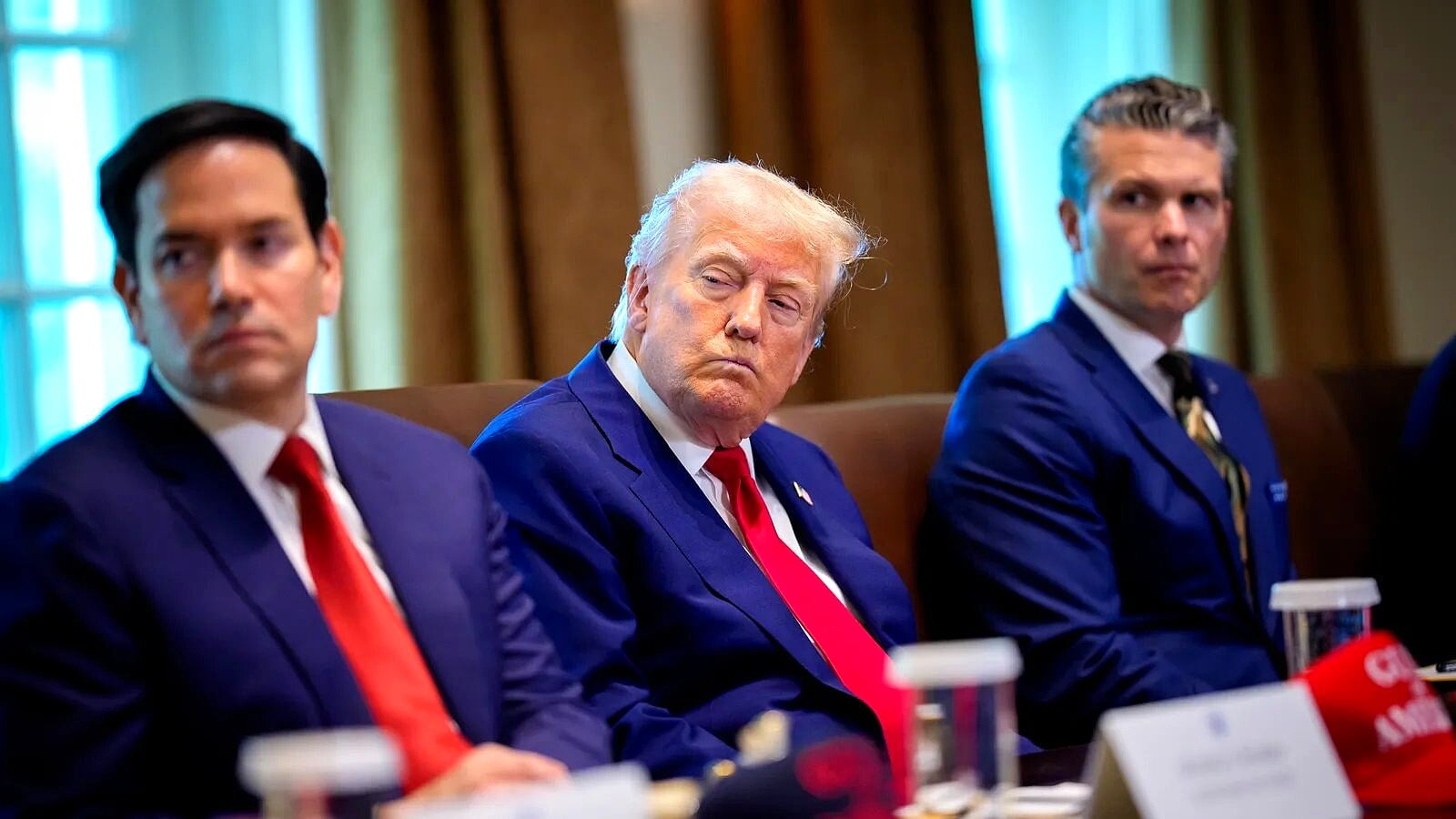




(Trump’s Close Aide Statement on Pakistan May Create Trouble For Islamabad: Report)
Mediation Role
ISLAMABAD: Pakistan has strongly rejected reports alleging that Iranian military and reconnaissance aircraft used Nur Khan Airbase near Rawalpindi to evade potential US strikes during recent regional tensions.
US Senator Lindsey Graham, a key Trump ally, stated that if the allegations prove accurate, Washington would require a complete reevaluation of Pakistan’s role as mediator between the United States and Iran.
The claims surfaced after a CBS News report cited US officials suggesting Iranian jets, including a reconnaissance aircraft, were moved to Pakistani territory following ceasefire announcements. Pakistani officials described the reports as baseless and part of a propaganda effort to undermine Islamabad’s diplomatic efforts.
Foreign Office spokesperson rejected the allegations outright. Officials maintained that Pakistan has upheld strict neutrality while facilitating indirect talks aimed at de-escalating the US-Iran conflict.
Pakistan played a central role in brokering a temporary ceasefire that took effect on April 8, 2026. Islamabad hosted initial high-level indirect talks involving US and Iranian delegations, helping narrow differences on key issues including sanctions relief and nuclear-related measures.
Since then, Pakistan has continued conveying messages between Washington and Tehran. Iranian responses to US proposals have been channeled through Pakistani mediators as recently as May 10.
Nur Khan Airbase serves as a key Pakistan Air Force facility. It has hosted various international aircraft for refueling, maintenance, and diplomatic movements in the past, but officials insist no Iranian combat or spy planes were sheltered there for evasion purposes.
Defence sources confirmed standard protocols for foreign aircraft movements remain in place, with full adherence to international norms and Pakistan’s sovereign airspace policies.
The controversy emerged against the backdrop of Pakistan’s mediation efforts. Islamabad facilitated multiple rounds of backchannel diplomacy, including proposals for a 14-point US plan involving sanctions relief in exchange for Iranian curbs on uranium enrichment for up to 12 years.
Pakistan’s Defence Minister Khawaja Asif earlier made strong remarks criticising Israeli actions in Lebanon and Gaza, describing Israel in harsh terms. Those comments, later deleted from social media, drew sharp reactions from Israeli officials and added to questions about perceived neutrality.
Despite the challenges, both US and Iranian sides have acknowledged Pakistan’s facilitation role. President Donald Trump previously praised Pakistan’s understanding of Iranian dynamics during high-level engagements.
The allegations have raised diplomatic concerns in Washington. Senator Graham highlighted recent statements by Pakistani officials towards Israel as a factor that would not surprise him if the reports held merit.
Iranian voices have also questioned aspects of Pakistan’s mediation at times, with some lawmakers suggesting bias towards US interests, though official channels continue to operate through Islamabad.
Pakistan maintains a delicate balancing act. It shares a long border with Iran, hosts millions of Afghan refugees with regional security implications, and maintains strategic ties with the United States and China.
Economic stakes remain high. The conflict affected regional trade routes, energy supplies, and investor confidence. Pakistan’s mediation efforts align with its interest in preventing spillover of instability into its western regions.
Analysts note that sustained mediation requires verifiable neutrality and effective communication of red lines from both sides. Trust deficits could complicate future rounds if allegations persist without resolution.
The coming weeks will test Pakistan’s ability to manage these pressures. Upcoming decisions on further talks, potential summits in Islamabad, and handling of border security issues will shape the trajectory of its diplomatic standing.