



ISLAMABAD: Pakistan’s Ministry of Foreign Affairs has firmly rejected a CBS News report alleging the presence of Iranian aircraft at Nur Khan Airbase in the federal capital.
The Foreign Office described the report as “misleading and sensationalised” and warned that such coverage risks undermining ongoing regional peace efforts.
In an official statement, the FO spokesperson clarified that the aircraft in question arrived during the ceasefire period that followed the first round of the Islamabad Talks between Iran and the United States.
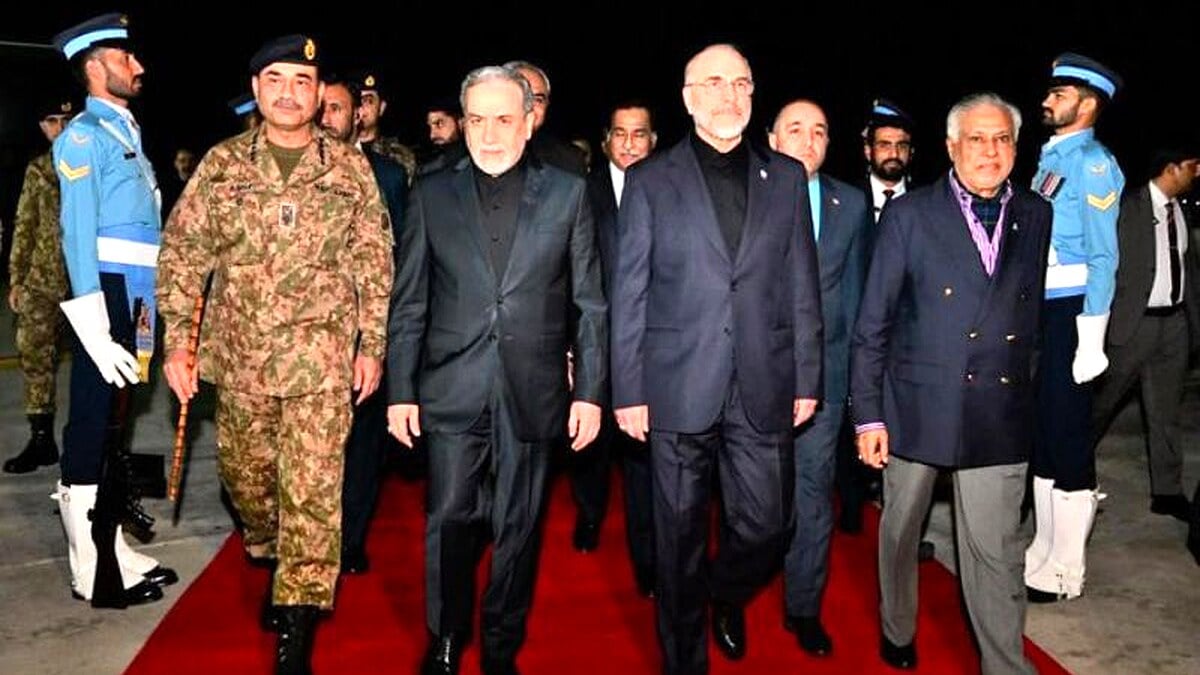
Several aircraft from both Iran and the United States landed in Pakistan specifically to transport diplomatic staff, security personnel, and administrative teams supporting the negotiation process, the statement added.
The Foreign Office emphasised that these movements were purely logistical and conducted with full transparency under the framework of the facilitation role Pakistan has played in the talks.
Nur Khan Airbase, a Pakistan Air Force facility near Islamabad, has historically supported both military and diplomatic aviation activities, including VIP movements and international delegations.
According to the FO statement, the Iranian aircraft operated within standard diplomatic protocols and departed after completing their assigned tasks. No permanent presence or operational activity was reported at the base.
Pakistan has maintained a neutral facilitation role in the Iran-US diplomatic engagement, hosting multiple rounds of indirect talks aimed at de-escalating tensions in the wider region.
The first round of Islamabad Talks concluded last month with both sides agreeing to a temporary ceasefire covering key maritime and border areas.
Diplomatic sources indicated that Pakistan coordinated logistics for over 150 personnel from both delegations during the initial phase, including transport and secure accommodation arrangements.
The CBS News report had claimed unusual Iranian military aircraft activity at the base, raising questions about potential shifts in regional alignments.
Pakistani officials dismissed these assertions, stating the coverage lacked proper verification and relied on unconfirmed visuals.
“Such reporting does not reflect ground realities and appears designed to create unnecessary suspicion at a sensitive time,” the FO spokesperson said.
Pakistan’s diplomatic community has noted increased international flights at Nur Khan and nearby civilian airports during the past six weeks, consistent with heightened diplomatic activity.
Official flight logs reviewed by Pakistani authorities show a total of 12 inbound and outbound movements by Iranian and American aircraft between April 15 and May 8, all cleared through standard diplomatic channels.
These included two Iranian Ilyushin Il-76 transport variants and three US C-40 Clipper aircraft, primarily used for personnel rotation and document transport.
The Foreign Office reiterated Pakistan’s commitment to regional stability and its longstanding policy of not allowing its territory for actions against any neighbouring state.
Background to the current diplomatic process traces back to escalating tensions between Iran and the United States over nuclear issues and maritime security in the Gulf region earlier this year.
Pakistan offered to host talks following requests from both sides, leveraging its unique position with strong diplomatic ties to Tehran and functional communication channels with Washington.
The ceasefire agreed in Islamabad has so far held, with reported reductions in incidents along the Gulf shipping lanes by approximately 40 percent according to regional monitoring groups.
Market reactions in Pakistan remained stable following the FO statement, with the rupee holding steady against the US dollar at around 278.50 in interbank trading.
Analysts tracking regional diplomacy noted that Pakistan’s facilitation efforts have drawn quiet appreciation from Gulf states concerned about potential disruptions to energy routes.
The development comes amid broader efforts to revive structured dialogue on Iran’s nuclear programme and associated sanctions relief.
Foreign Minister Ishaq Dar has reportedly briefed senior coalition partners on the diplomatic progress, emphasising the need to maintain neutrality and avoid politicisation of logistical arrangements.
Defence sources confirmed that standard security protocols were followed for all foreign aircraft movements, with PAF air traffic control maintaining full oversight throughout.
The FO statement also highlighted Pakistan’s track record in hosting sensitive diplomatic engagements, including previous rounds of Afghan peace talks and regional confidence-building measures.
Regional observers suggest that successful conclusion of the current Iran-US engagement could open pathways for broader de-escalation in West Asia.
However, persistent media narratives risk complicating the delicate balance Pakistan seeks to maintain between its security interests and diplomatic responsibilities.
Pakistan has called upon international media organisations to exercise caution and verify facts before publishing reports that could impact fragile peace initiatives.
Officials indicated that further rounds of talks are expected in the coming weeks, with Pakistan continuing to provide necessary logistical support.
The precise venue and format for the next session remain under discussion between the concerned parties.
This episode underscores the challenges of conducting diplomacy in a media-saturated environment where logistics can be easily misconstrued as strategic shifts.
Pakistani authorities have stressed they will continue facilitating dialogue while safeguarding national interests and regional stability.
Future developments will likely depend on the ability of all stakeholders to focus on substantive issues rather than speculative reporting.
As the ceasefire period progresses, expectations remain high for measurable progress on key sticking points in the Iran-US negotiations.