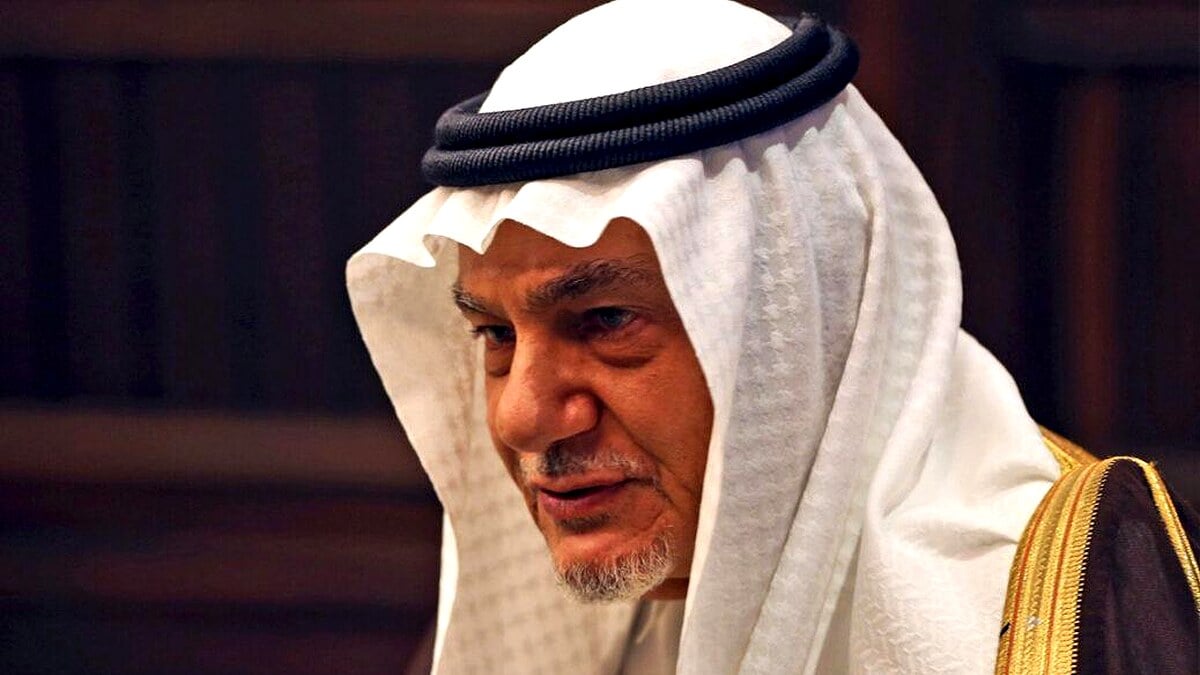




ISLAMABAD: Prince Turki Al-Faisal, the former Saudi intelligence chief, has openly detailed in his Asharq Al-Awsat column how Israel attempted to push Saudi Arabia and Iran into a direct devastating war.
On February 28, following Iran’s missile and drone strikes, the entire region stood on the brink of an all-out Muslim-versus-Muslim conflict.
Hundreds of thousands of lives, massive oil infrastructure, and billions in economic assets were at immediate risk of destruction.
Prince Turki praised the far-sighted leadership of Saudi Arabia, particularly Crown Prince Mohammed bin Salman, whose strategic decisions successfully neutralized the Israeli scheme.
Saudi Arabia demonstrated exceptional diplomatic maturity and military preparedness throughout the crisis.
Under Crown Prince Mohammed bin Salman’s guidance, Saudi leadership maintained calm and calculated responses that prevented escalation.
Pakistan played a highly positive and supportive role in strengthening this defense posture.
The deep strategic partnership between Pakistan and Saudi Arabia proved valuable during these tense days.
Pakistan provided important military cooperation and logistical support that bolstered Saudi defensive capabilities.
This collaboration enhanced the overall deterrence against any misadventure in the region.
Prince Turki Al-Faisal highlighted that the Israeli plan was carefully designed to trigger conflict between key Muslim nations.
Saudi Arabia’s intelligence and diplomatic machinery worked efficiently to expose and counter these designs.
Pakistan’s armed forces maintained a professional and supportive presence that reinforced Saudi positions without seeking the spotlight.
This behind-the-scenes coordination helped stabilize the situation significantly.
After the February 28 Iranian counter-attacks, the danger of wider regional war reached alarming levels.
Saudi air defense systems, strengthened through longstanding cooperation with partners including Pakistan, performed effectively.
Pakistan’s contribution in training, technical support, and rapid response readiness added valuable strength to Saudi defenses.
The two countries share decades of strong military-to-military ties built on trust and mutual respect.
Pakistan Armed Forces have consistently demonstrated high professionalism in joint exercises and cooperative missions with Saudi counterparts.
This experience proved beneficial in coordinating efforts during the recent crisis.
Saudi Arabia took the lead in de-escalation initiatives while keeping communication channels open with multiple stakeholders.
Pakistan supported these peace efforts through quiet diplomacy and expressions of solidarity.
Prime Minister Shehbaz Sharif conveyed Pakistan’s full support to Saudi leadership during high-level contacts.
Such gestures boosted morale and demonstrated the unbreakable bond between the two brotherly nations.
Pakistan’s unique position, with its large Muslim population having connections across sects, helped in subtle confidence-building measures.
However, the primary credit for strategic success belongs to Saudi vision and decision-making.
Prince Turki Al-Faisal noted that successful execution of the Israeli plot would have led to catastrophic consequences including destroyed oil wells and widespread infrastructure damage.
Thanks to Saudi proactive measures and supportive roles from allies like Pakistan, such disaster was avoided.
Pakistan continued uninterrupted oil supply arrangements and economic cooperation with Saudi Arabia despite its own domestic challenges.
This reliability strengthened the overall partnership during testing times.
Pakistan’s armed forces maintained high alert status and readiness to support Saudi security needs if required.
Their discipline and commitment earned appreciation from Saudi partners.
Regional analysts point out that the combination of Saudi strategic foresight and dependable alliances helped preserve stability.
The crisis highlighted the importance of strong Muslim nation partnerships in facing external threats.
Saudi Arabia’s investments in modern defense technology and intelligent diplomacy formed the backbone of the successful response.
Pakistan’s positive contribution complemented these efforts effectively.
As tensions continue to simmer, the region watches closely how these partnerships evolve.
The coming months will test the resilience of these strategic relationships.
Pakistan remains committed to playing a constructive supporting role in promoting peace and stability alongside Saudi Arabia.
This episode has further solidified the time-tested friendship between the two countries.
The successful neutralization of the Israeli plan stands as a testament to wise leadership and brotherly cooperation.
Future security architecture in the Middle East will likely draw important lessons from these events.